
Last updated November 15, 2026
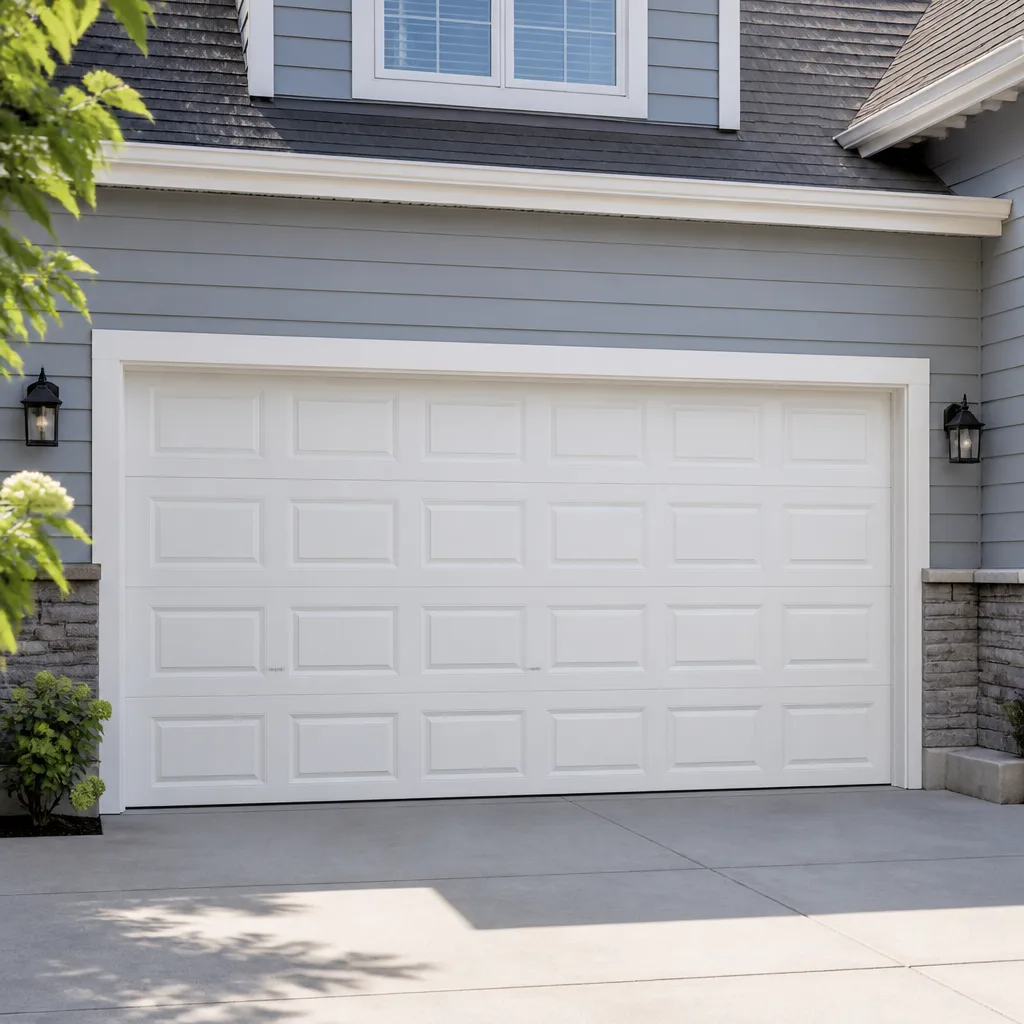 Raised-panel steel
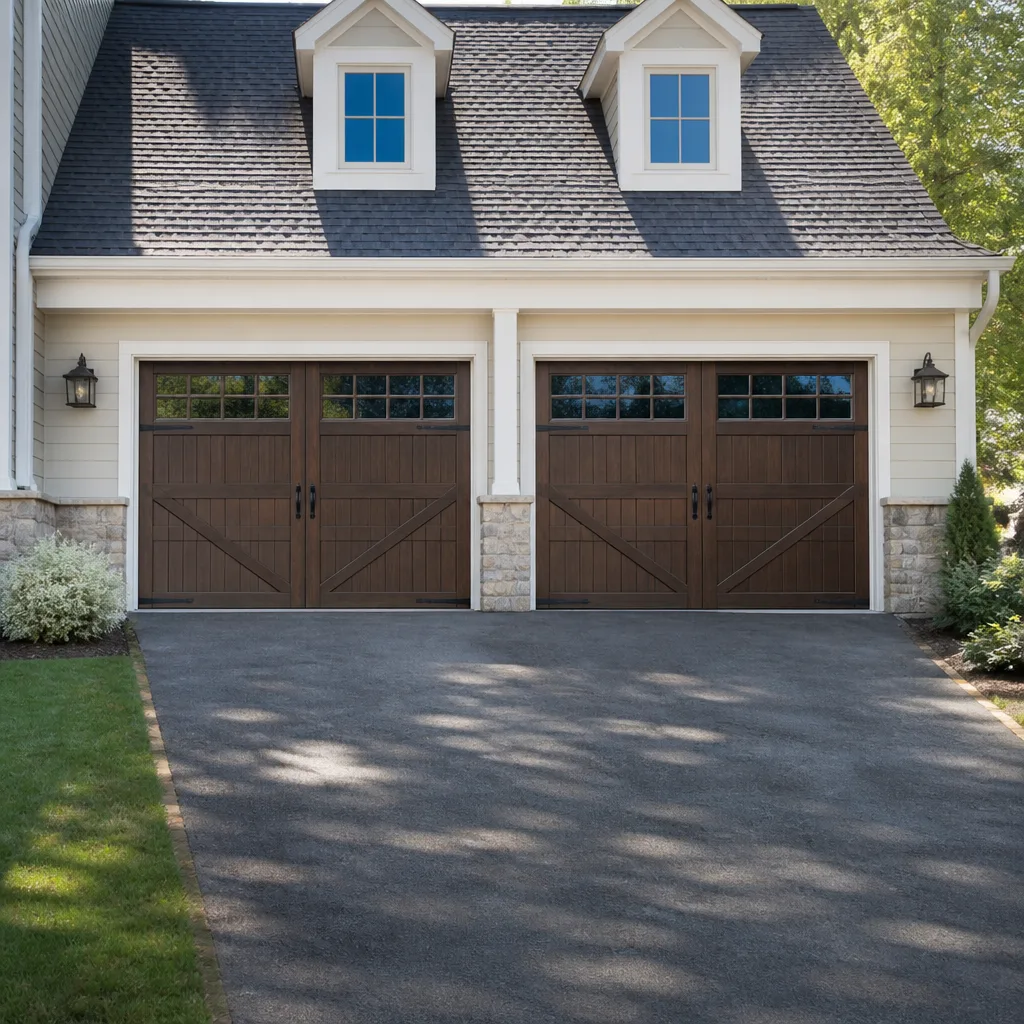 Carriage house
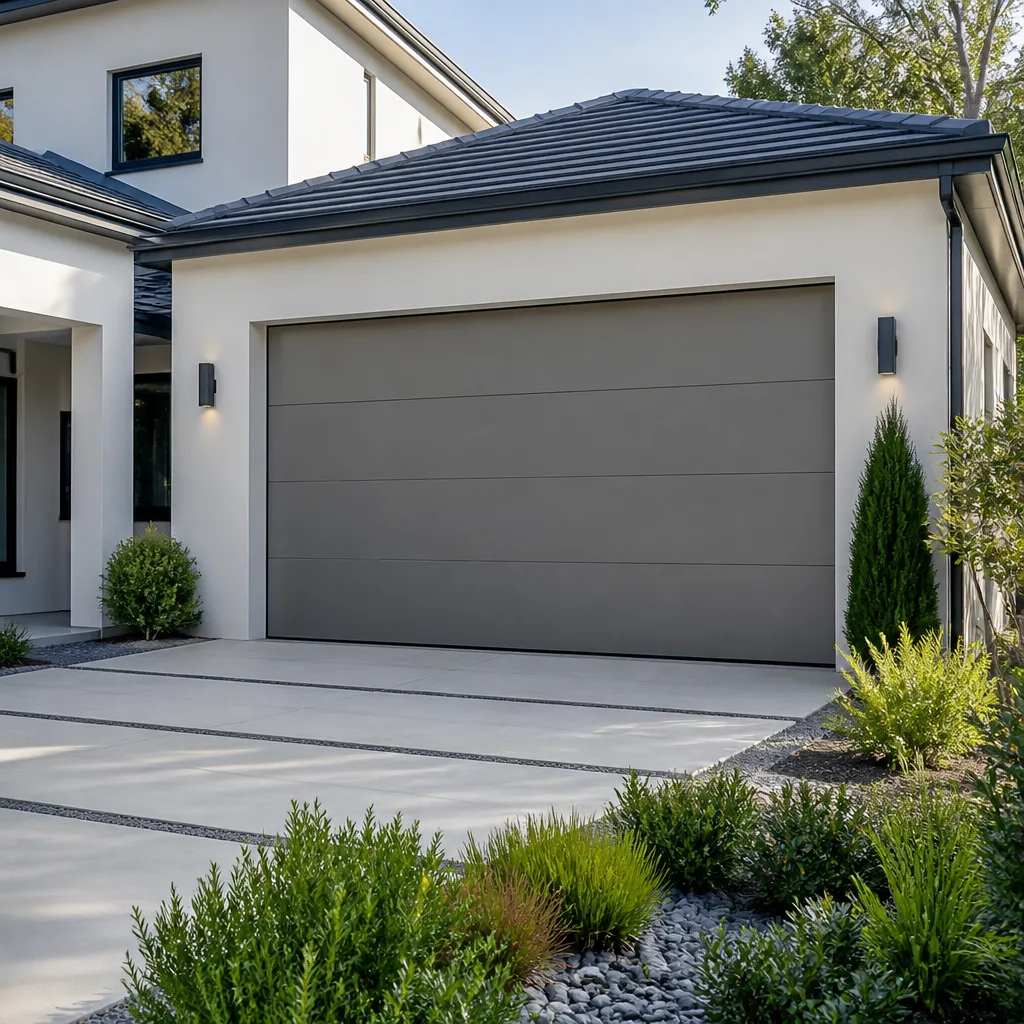 Modern flush
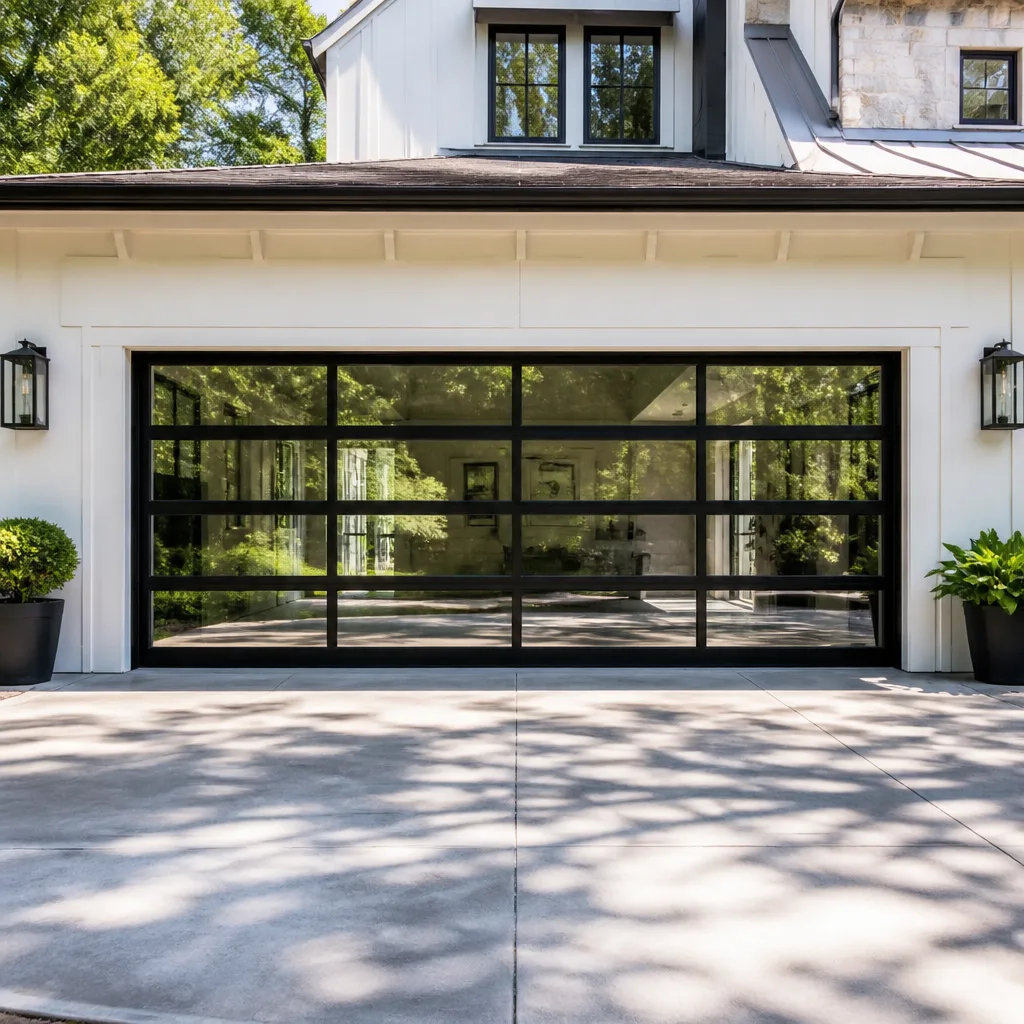 Full-view glass
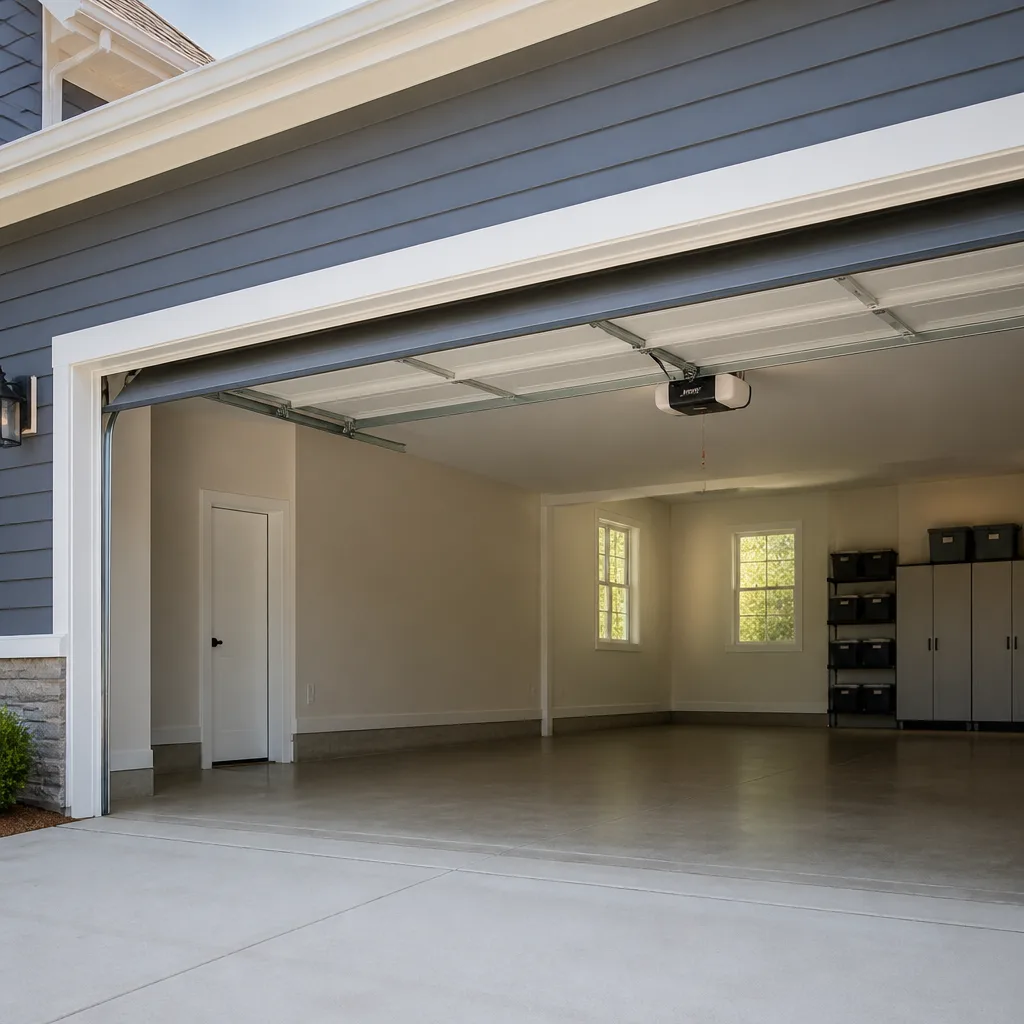 LiftMaster openers
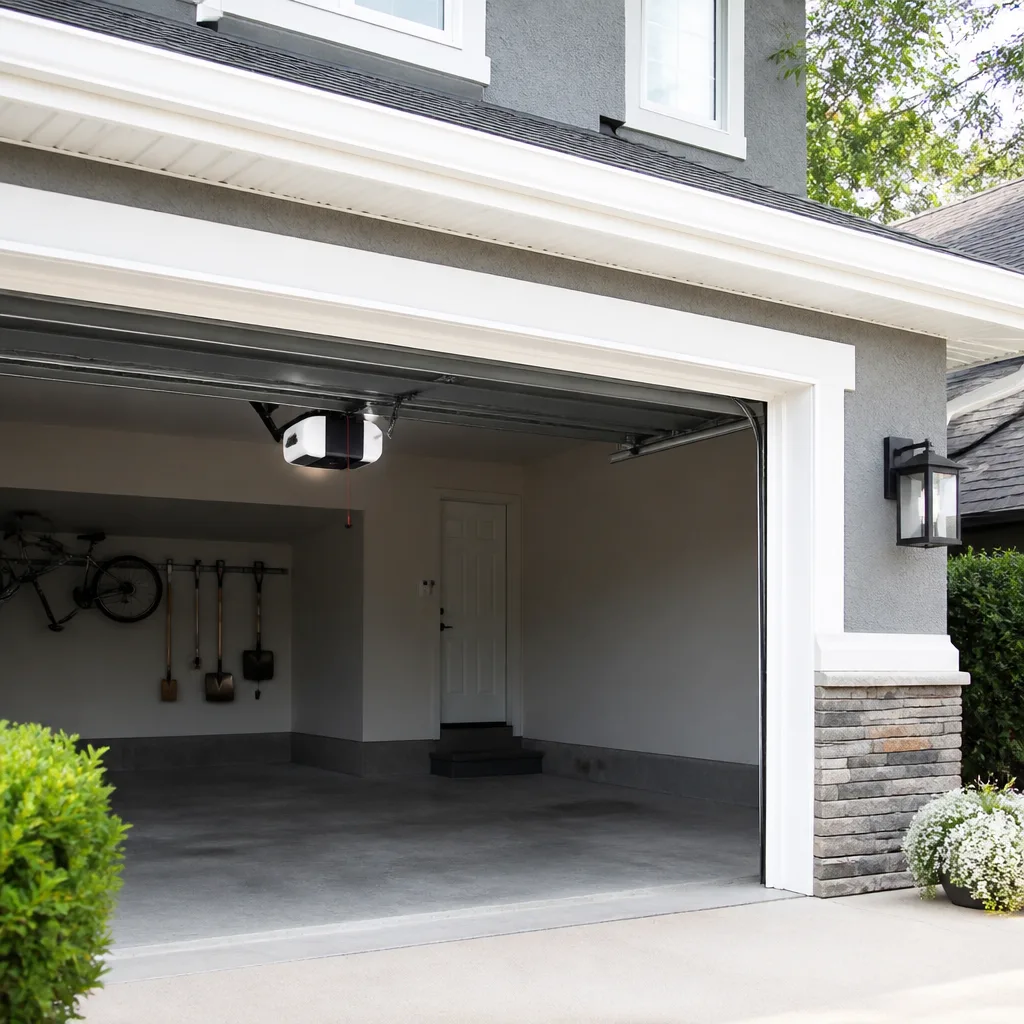 Chamberlain openers
Full 25-point door and opener safety check with every visit - springs, cables, rollers, tracks, and your LiftMaster or Chamberlain opener included
You get a price before we start. It does not change when the pro arrives.
Get your free estimateDIY vs Professional Garage Door: The Killeen Homeowner’s Decision Guide
Most homeowners assume this is a skill-level question. It isn’t. It’s a physics question. The torsion spring that lifts your garage door stores enough stored force to throw a grown adult across a room if it lets go at the wrong moment. The door itself can weigh hundreds of pounds. And yet the same door you’re afraid to touch has half a dozen owner-friendly parts on it that a careful person can lubricate, adjust, and program without any risk beyond scraped knuckles. So a blanket recommendation either way is bad advice. This guide draws the line component by component, so you know exactly which jobs are yours and which belong to a trained technician. We’re writing it from Killeen, where the door takes a real beating.
Quick Answer
You can safely handle painting, weatherstripping, lubrication, track cleaning, and most opener remote or keypad programming yourself. You should never touch torsion or extension springs, cables, or high-tension brackets – those carry real injury risk and void manufacturer warranties when handled improperly. Anything involving the door’s balance, alignment, or a snapped component calls for a trained technician. Keep reading for the exact split, the real cost of a botched DIY spring replacement, and how to talk to a professional if you’ve already tried and failed at a repair.
Styles & brands we work with
- Raised-panel steel
- Carriage house
- Modern flush
- Full-view glass
- LiftMaster openers
- Chamberlain openers
Table of Contents
- Which garage door jobs are safe for a homeowner to tackle?
- Why springs carry such outsized risk
- The real cost of DIY spring replacement
- The opener: where DIY actually works
- Texas liability and insurance considerations
- What improper DIY does to your warranty
- Talking to a technician after a failed repair
- What professional help typically costs in Killeen
- Common mistakes to avoid
- When to call a professional
- Frequently asked questions
Which garage door jobs are safe for a homeowner to tackle?
Several jobs are genuinely owner-appropriate as long as you’re comfortable on a ladder and can follow a manufacturer’s instructions. These require basic tools, not specialized equipment, and no part of them puts your hands near a component under tension. If you’re going to do anything on your door yourself, stay on this list.
- Painting or staining the door or trim. Surface prep and paint, no mechanical risk.
- Replacing weatherstripping around the frame and along the bottom edge of the door.
- Lubricating hinges, rollers, and tracks with a proper garage door lubricant (not WD-40 sprayed randomly – a purpose-made product for the task).
- Cleaning and lightly wiping down tracks to remove grit. Cleaning, not bending.
- Programming remotes, keypads, and smart app connections on most modern openers.
- Replacing a remote battery or an internal backup battery.
- Occasionally tightening visible hinge fasteners that have worked loose, provided the door is fully closed and you’re not touching torsion or cable hardware.
Notice what’s not on that list. Nothing involving spring tension, cable tension, or bracket systems. And nothing involving a door that’s noticeably unbalanced or hanging crooked. If the door groans, hangs, or only opens partway, the problem is mechanical and you’ve moved beyond the owner-appropriate list. What seems like an adjustment problem is usually a spring that has lost tension – and adjusting an already-tired spring is an invitation to a serious injury. This is where a Killeen homeowner reading a how-to video online can get into real trouble fast.
Why springs carry such outsized risk
A torsion spring doesn’t just hold the door; it is stored mechanical energy, wound to carry many times the door’s weight. When a spring fails under normal use it can snap violently. When a spring fails while someone is working on it with hand tools, the outcome is worse. This isn’t a scare tactic designed to sell service calls. It’s the reason manufacturers print warnings on the springs themselves and why most door warranties exclude improper handling entirely.
There are two spring types a Killeen homeowner is likely to have:
- Torsion springs – mounted horizontally above the door. They handle weight more smoothly and are the standard on newer installations.
- Extension springs – mounted along the horizontal tracks. Older doors often use these, and they usually include a safety cable to contain a failure.
Both types store enough energy to hurt you, and both require specific tools – winding bars – that most homeowners don’t own and shouldn’t try to substitute with screwdrivers or vice grips. The winding process is precise and unforgiving: a few turns off and the door drops; a few turns over and the spring loads past its intended range. There’s no good shortcut here. Live with a broken spring for a day and call someone who does this daily. Our technicians have up to 8 years of experience working with these systems, and even we treat them with respect.
The real cost of DIY spring replacement
Many homeowners price a replacement spring online, add up the parts, and decide the DIY route looks much cheaper than professional service. It rarely is, and here’s the honest accounting behind that statement.
A single torsion spring for a residential door is not a huge line item. The problem is everything else that goes with the job. A matched pair of springs is generally replaced together, so a pair is roughly double the cost of one – that’s not a markup, that’s just the part count. Then add the specialized tools you don’t own: two winding bars minimum, plus a way to safely secure the door in the open position. Add the time to measure spring dimensions correctly – wire gauge, inside diameter, and length all matter for the replacement to be correct. Then add the risk premium: what happens if the spring you install isn’t rated for your door’s weight? It could fail early, sometimes within a single cycle at full load.
When an amateur-installed spring fails mid-cycle, you’re back at square one with a damaged door, possibly a damaged opener, and a service call on top of parts you’ve already paid for. The savings evaporate quickly. Compare that with professional service where the quote is agreed before any work starts, and the “cheaper” number starts looking different.
The opener: where DIY actually works
This is the good news chapter. A meaningful share of “broken opener” calls resolve without a technician visit, because the actual problem is a remote, keypad, limit switch setting, or power issue – not a failed motor. If you can follow a manual and press a few buttons, you can fix several of these yourself.
Owner-friendly opener fixes worth trying first:
- Replace remote batteries in every remote before ordering parts.
- Reconnect remotes to the opener using the learn button sequence from the manual – brands like Chamberlain and Genie make this straightforward.
- Check the wall switch to confirm the opener runs from a wired control.
- Inspect the safety sensors at the base of the door for misalignment, dirt, or a burned-out indicator light.
- Test the lock/vacation switch if the opener runs from one control and not another.
- Reset the opener by cutting power for a minute and reconnecting.
Openers from LiftMaster, Chamberlain, Genie, Craftsman, Raynor, and similar makers all have owner-accessible programming menus, and the manuals are available online. When you’ve walked through that list and the opener still won’t respond, or it runs the door up an inch and back down, you’re beyond owner-appropriate territory. Limit switch alignment, force settings, and gear assembly failures on the older units are shop work. One call covers the door and the opener, so we can look at both at once – which is why we offer garage door opener repair alongside the door itself.
Texas liability and insurance considerations
This is where a Killeen homeowner needs to slow down. Texas doesn’t license garage door contractors through a single statewide board the way it licenses electricians or plumbers, so there’s no simple government lookup to verify a garage door specialist. That means the burden of picking a competent, insured, and bonded professional lands on you, and the burden of checking with your own insurer about coverage lands on you too.
Here’s the practical shape of it. Homeowners policies generally cover sudden damage from a failed component – a spring that snaps and gouges the door, a car that bumps the bottom panel. Coverage gets murkier when the cause is work performed improperly, whether by the homeowner or by an uninsured helper. Some policies exclude damage caused by faulty workmanship, and some carriers ask for documentation of professional installation or repair on major mechanical components. We won’t tell you what your specific policy covers – that’s a question for your insurance agent – but we will tell you to ask it before you attempt a spring or opener replacement yourself, and to ask it before you hire anyone who can’t show proof of insurance.
A few specific things to ask your agent:
- Does my policy exclude water or structural damage caused by faulty workmanship on the garage door?
- If a personal-injury claim arises from a DIY repair I performed, is that covered?
- Do I need to disclose garage door replacement or opener replacement to my carrier?
None of these are hypothetical in Killeen. Doors here operate through long, hot summers and occasional hard freezes in winter. Both stress the springs and the opener’s plastic gears, and both shorten the service life of every mechanical part on the door. If your door is older than the rest of your equipment, spring failure season can feel relentless.
What improper DIY does to your warranty
Door and opener manufacturers write their warranties around proper installation and servicing. Clopay, Amarr, and similar door manufacturers typically exclude damage caused by improper installation, alteration, or the wrong replacement parts. Opener makers do the same for anything involving the mechanical assembly – the motor, gear, and limit assembly. A homeowner who swaps in a spring with the wrong wire gauge to save a few dollars is a homeowner who has just voided the warranty on that spring and possibly on the whole door assembly.
The warranty issue matters most in three scenarios:
- Mismatched parts. A replacement spring that doesn’t match the door’s weight rating puts extra load on the opener and hinges.
- Untorqued fasteners. A bracket that isn’t torqued correctly can work loose over months and cause a door failure that looks sudden.
- Improper opener wiring. Low-voltage wall control wiring done wrong can damage the opener’s logic board, which is usually the most expensive single part in the unit.
Warranty coverage may vary based on the manufacturer and the product line, so read the fine print for your specific brand. But the pattern holds across the eight brands we work on every week: the warranty is written for professional service, and DIY shortcuts close the door on it.
Talking to a technician after a failed repair
Here’s the scenario we walk into more often than homeowners expect: someone has already tried the repair. Maybe they reconnected a spring, replaced a remote, bent a track back into place, or installed a new opener themselves. Now we’re being called to finish the job. There’s no judgment in that – it’s a much better outcome than trying the same thing a second time and getting hurt. But the conversation is more productive when you share a few things up front.
Here’s what to disclose when you call:
- What exactly you attempted. Replaced the spring, adjusted the opener limit, swapped a remote, rewired a control – be specific.
- What parts you used or ordered. Brand, model, and where you bought them. If you have the box, keep it.
- What happened when you tried it. Did the door move at all, or did the opener just click? Did you see or hear anything concerning?
- Whether the door is currently open or closed. A door that’s stuck open is a security issue and gets priority. A door that’s stuck closed is safer to leave alone.
- Whether the opener is original or recently replaced. If the opener is new, the old remote won’t work without programming – that’s the answer maybe 30% of the time.
What actual impact does full disclosure have? It changes the diagnostic approach. If we know you swapped a spring, we won’t just look at the spring; we’ll check that the door is balanced and that the opener’s force settings are correct for the new spring. If you replaced the opener, we check the remotes, the wall control, and the safety sensors before we look at the motor. Sharing details doesn’t change the price, since the estimate is set per job by the written estimate – but it might change how quickly the problem is identified.
What professional help typically costs in Killeen
Typical costs vary by which component is involved and how much of the system needs work. Every price below is an estimate; the written quote you receive before any work begins is the price you pay. No hidden surcharges, no surprise additions after the fact. Call us at (833) 719-3738 for an exact quote, and remember estimates are free.
| Job | Typical estimated cost |
|---|---|
| Single torsion spring replacement (one spring) | Varies – measured and quoted before work begins |
| Matched pair of torsion springs | Approximately double the single-spring quote |
| Opener repair (remote, sensor, or control issue) | Varies by diagnosis – written estimate first |
| Full opener replacement | Varies by unit and door weight – written estimate first |
| Cable replacement | Varies – quoted before work begins |
| Off-track door realignment | Varies – quoted before work begins |
| New door installation | Measured and quoted per job – scheduled work |
Two things to notice here. First, there’s no separate line item for the diagnostic visit. Second, the price on a spring job is a per-spring price, because springs almost always get replaced as a pair. That’s not an upsell – matched springs work together, and installing one new spring next to a tired one usually causes early failure in the new one.
If your opener is the actual problem, the price depends heavily on which brand and model you have. We’re factory-familiar with the major brands – LiftMaster, Chamberlain, Genie, Clopay, Amarr, Wayne Dalton, Craftsman, and Raynor – so we can usually tell you what the repair will look like before we’re even on site. That’s a different experience from hiring a general handyman who has to figure out your system from scratch. For garage door repair in Killeen, the quote is agreed before work begins and the price doesn’t change unless you approve a change.
Common Mistakes to Avoid
- Using screwdrivers or pliers as winding bars. These are not substitutes. They slip, and slip on a loaded torsion spring is where serious injuries happen.
- Replacing one spring in a pair. If both springs are the same age and weight, they should be replaced together. A mismatched pair will load unevenly, and the newer one usually fails early. This is one of the most common unnecessary service calls we see in Killeen.
- Buying a spring by door width alone. Weight is what matters – a heavier door needs a spring rated for that load. Matching on width and length without confirming the wire gauge and weight rating is how premature failures happen.
- Backing a car into the door as a “test”. Killeen garages see a lot of that. It rarely helps, and it can deform panels that would otherwise have been perfectly fine.
- Spraying WD-40 on the tracks. It attracts grit that binds the rollers. Garage door lubricant on hinges and rollers is the right answer; the tracks themselves need wiping down, not soaking.
- Adjusting the opener’s force setting to compensate for a struggling door. That’s masking a mechanical problem, not fixing it. The opener’s motor will overwork and fail earlier than it needs to.
- Buying a new opener because the remotes stopped working. Disconnect the remotes and reprogram first; if the wall switch works but the remotes don’t, it’s almost always a pairing or battery problem, not a motor failure. Chamberlain and Genie remotes are especially easy to reprogram, and it costs nothing to try.
See the difference
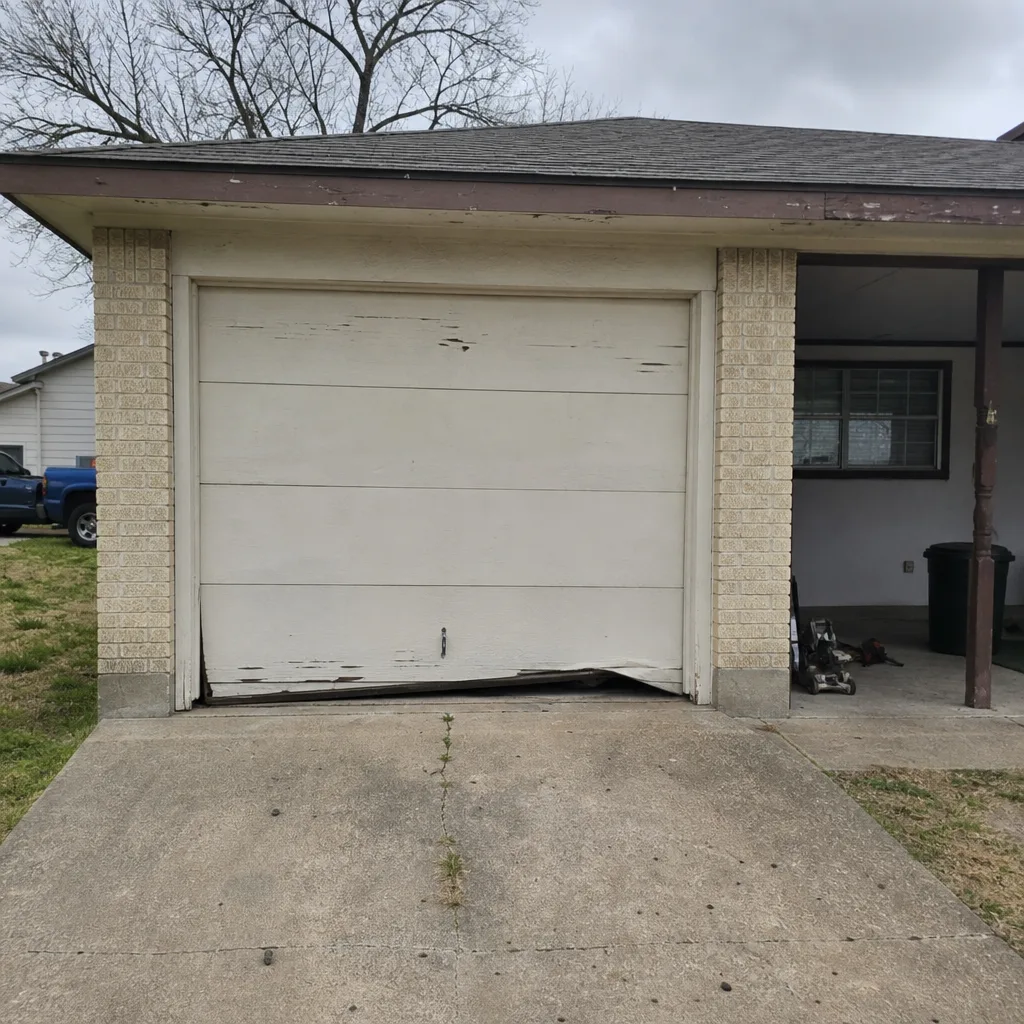 Before
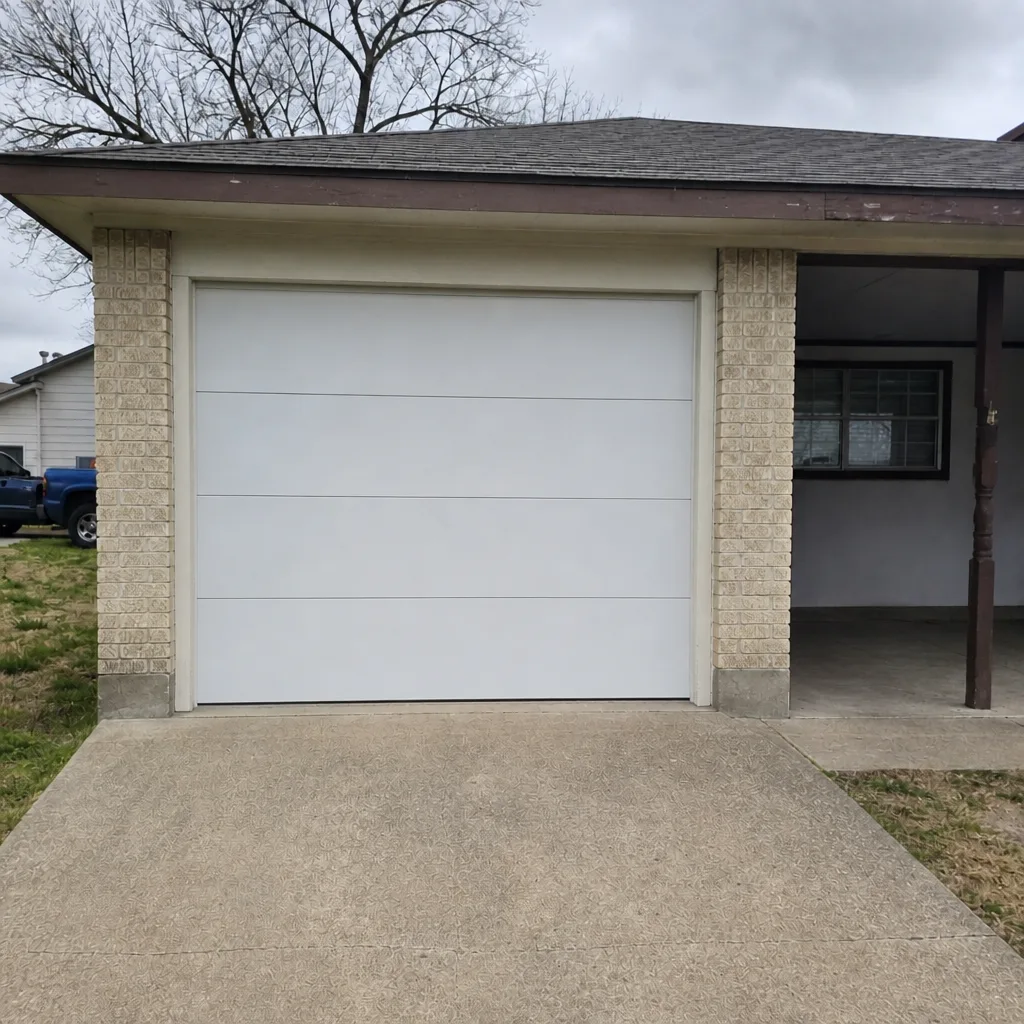 After
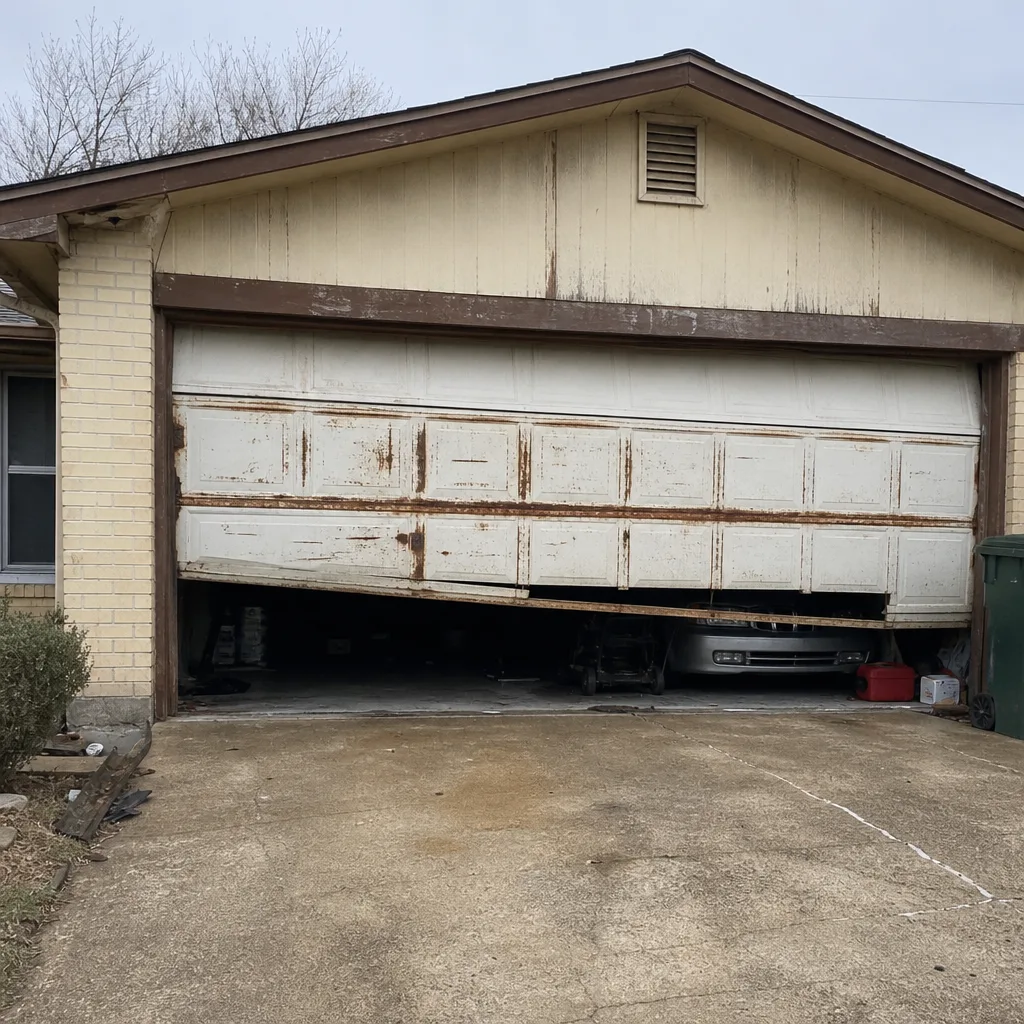 Before
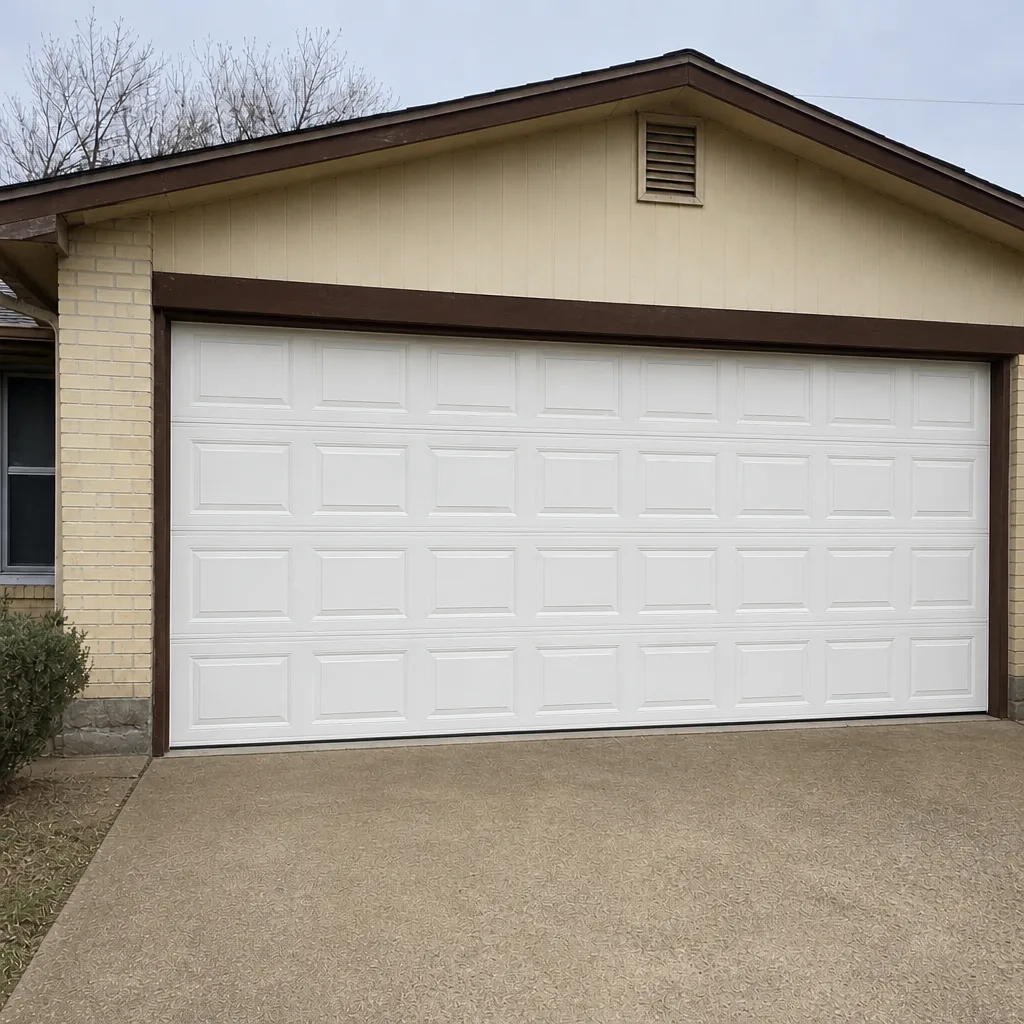 After
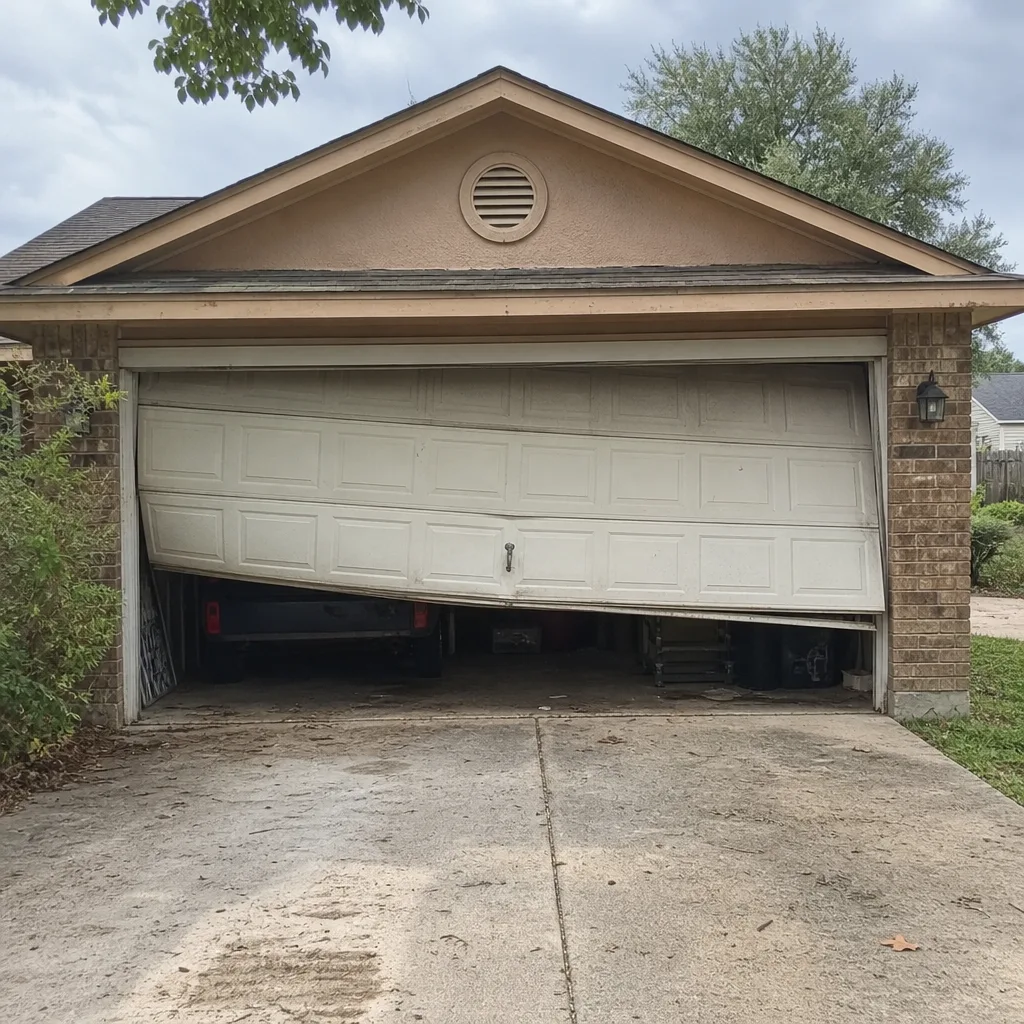 Before
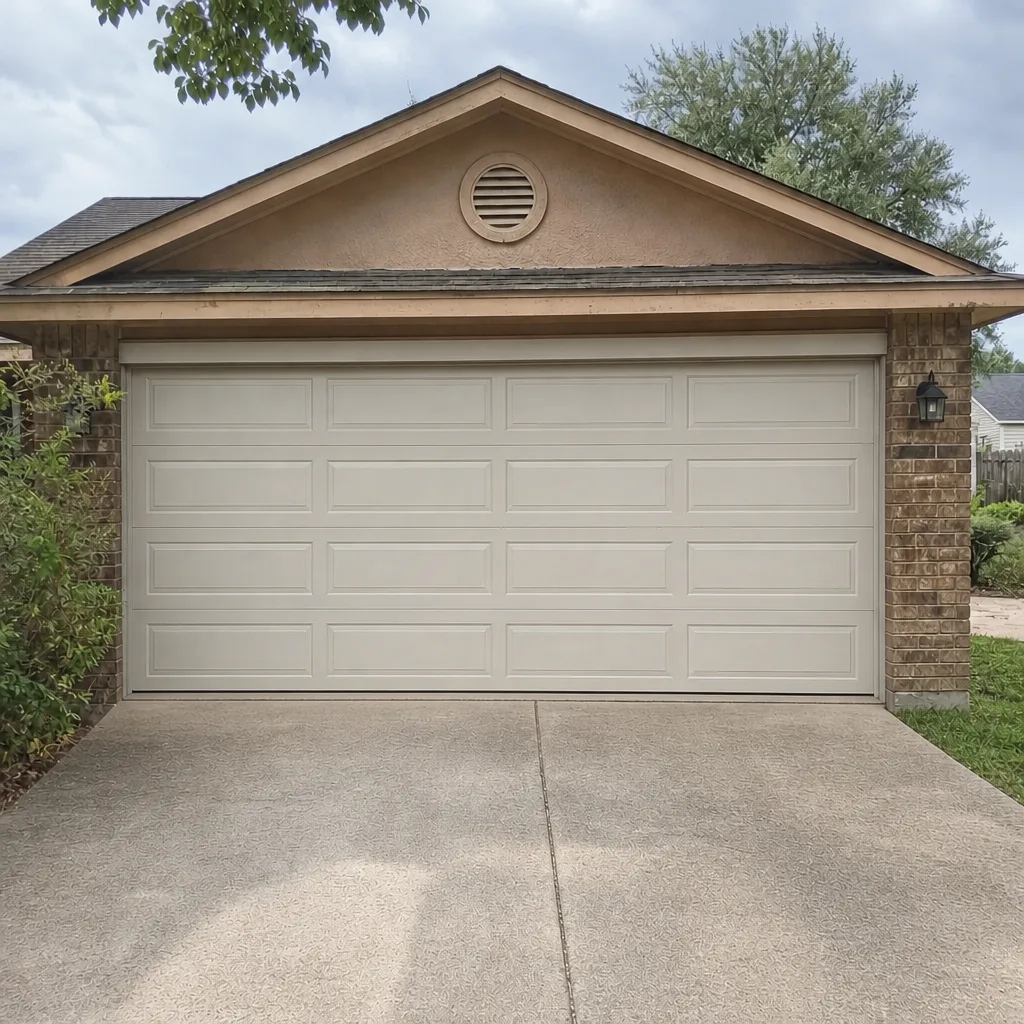 After
When to Call a Professional
Call as soon as any of the following apply: you hear a loud bang from the garage and the door won’t lift, the door comes down hard or unevenly, you see a snapped spring or frayed cable, one side of the door is hanging lower than the other, the opener runs but the door doesn’t move, or the door reverses back down after lifting a foot or two. Any of those are mechanical failures that get worse with use. If your door is stuck open, that’s a security gap – not just an inconvenient door – and we schedule it as priority. Archer Garage Door Repair offers free estimates in Killeen. Call (833) 719-3738 and we’ll give you a straight answer on what needs to happen. We answer 24/7. Fast dispatch from 7am to 7pm, Sunday through Friday. If you’re considering a new door rather than a repair, ask for the free measure and written quote, and we’ll tell you whether the repair actually makes sense or the door is at the end of its life. Garage doors are all we do, so the honest answer usually arrives quickly.
Frequently Asked Questions
No, we don’t recommend it. Torsion and extension springs store enough energy to cause serious injury, and the tools and winding process require training to do safely. A mis-wound spring can also fail prematurely and put load on the door assembly, the opener, and the hinges. The savings from doing it yourself are usually wiped out by the cost of correcting a failed attempt.
Painting, weatherstripping, lubrication, cleaning tracks, replacing remote batteries, and reprogramming remotes or keypads are all owner-appropriate. Anything involving the spring, cable, bracket, or door balance should be handled by a trained technician. If a repair requires the door to be raised off the floor and propped up, treat it as professional work by default.
Replace both. Springs are installed in matched pairs and load evenly against each other. A new spring next to an older one will take more load than it should, and the newer spring usually fails early. A pair typically costs about double what a single spring costs. That’s a per-spring quote, not a markup.
It often will. Door manufacturers like Clopay and Amarr, and opener brands like LiftMaster and Chamberlain, typically exclude damage caused by improper installation, alteration, or wrong replacement parts. The exact terms vary by product line, so read the warranty for your specific door or opener before attempting a repair that involves a mechanical component.
Costs vary by component and diagnosis. Every price is an estimate set per job by the written quote you receive before any work begins. There are no separate diagnostic fees, and the quote doesn’t change after the fact. Call (833) 719-3738 for a free estimate – we’ll give you the number before anyone starts work.
That’s fine – call us anyway. Tell us exactly what you attempted, what parts you used, and what happened when you tried it. Full disclosure makes the diagnostic faster because we know what to check and what to leave alone. There’s no judgment in finishing a repair someone else started, and the process is the same: free estimate, agreed quote, then work.
We work on the eight major brands that account for most residential doors and openers: LiftMaster, Chamberlain, Genie, Clopay, Amarr, Wayne Dalton, Craftsman, and Raynor. Our technicians have up to 8 years of experience with those systems, which means we usually know what to expect before we arrive. Killeen homeowners with brand-name doors get the same free estimate process as anyone else.
The Bottom Line
The DIY-versus-professional question comes down to this: match your ability to the specific component, not to the whole door. Lubrication, weatherstripping, painting, remote programming, and remote batteries are genuinely yours to handle. Springs, cables, brackets, track realignment, and anything involving door balance belong to a trained technician – not because you’re incapable, but because the risk/reward math doesn’t work in your favor. Compare the tool cost, warranty risk, insurance questions, and the chance of a failed attempt against a single quote that’s agreed before work starts. That’s the honest equation. If you’re in Archer Garage Door Repair territory and you want a straight answer on what needs to happen, call (833) 719-3738 for a free estimate. We answer 24/7. Fast dispatch from 7am to 7pm, Sunday through Friday.
Written by the team at Archer Garage Door Repair.