
Last updated November 15, 2026
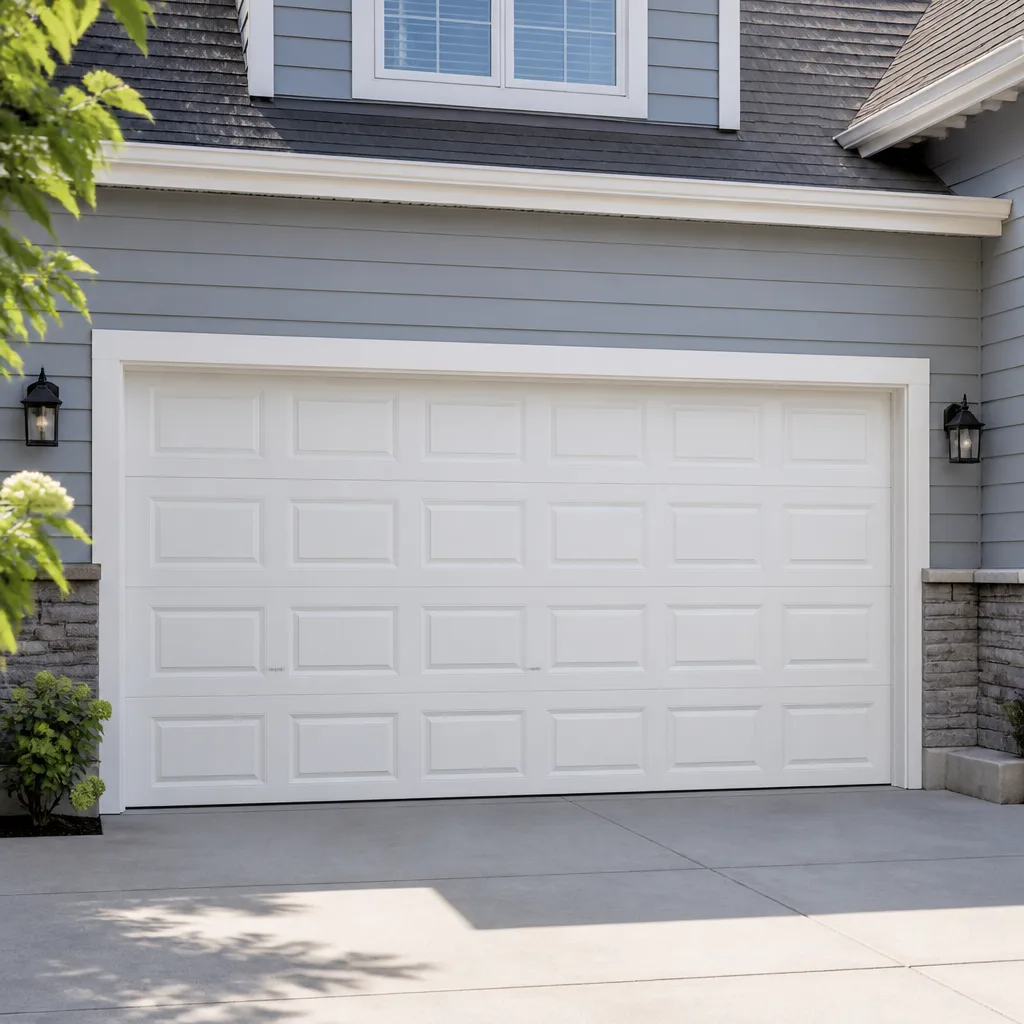 Raised-panel steel
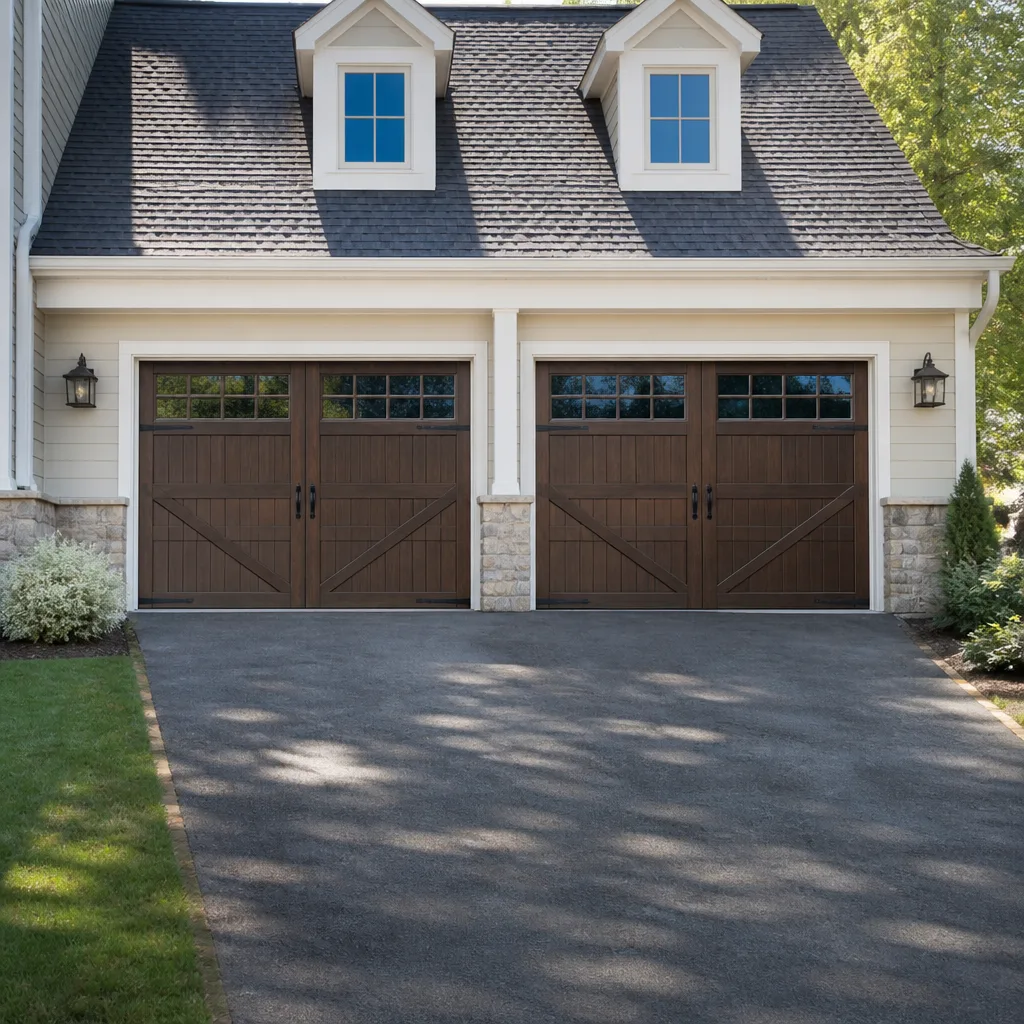 Carriage house
 Modern flush
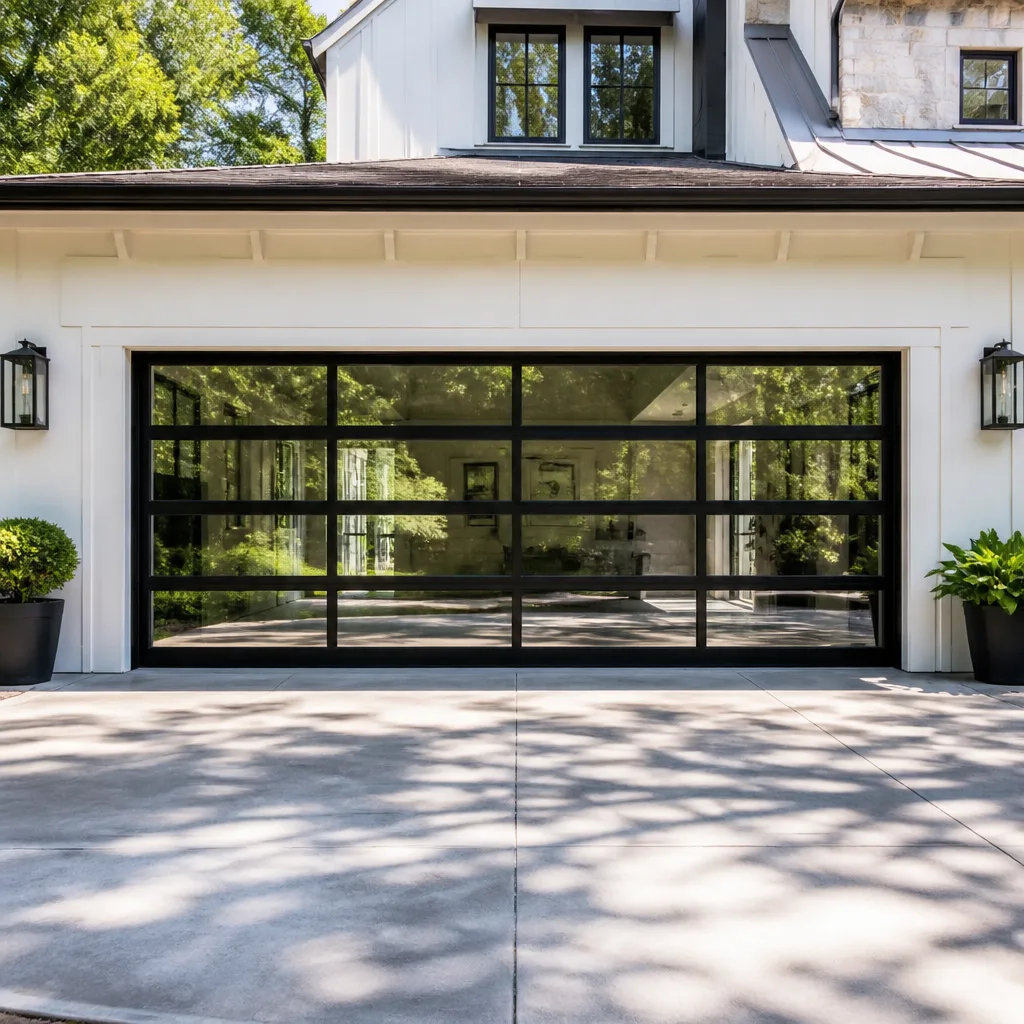 Full-view glass
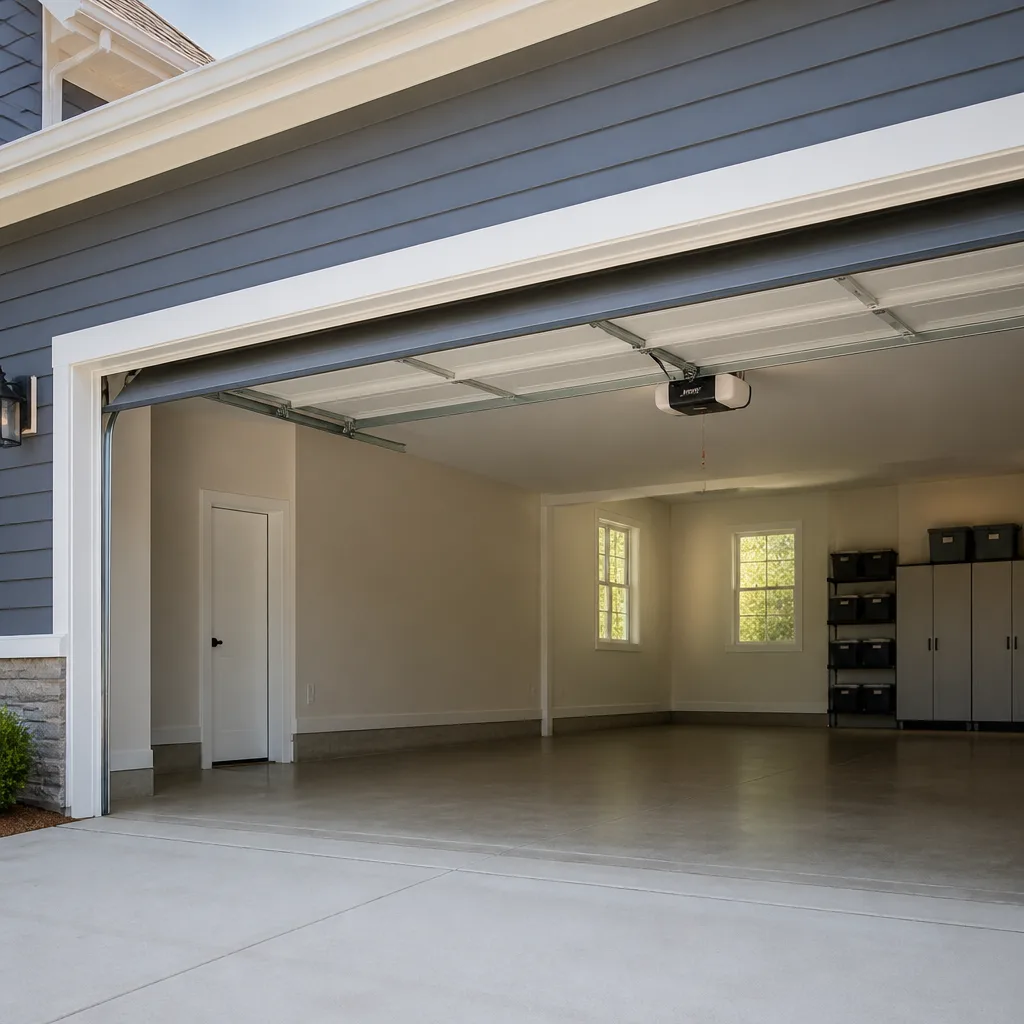 LiftMaster openers
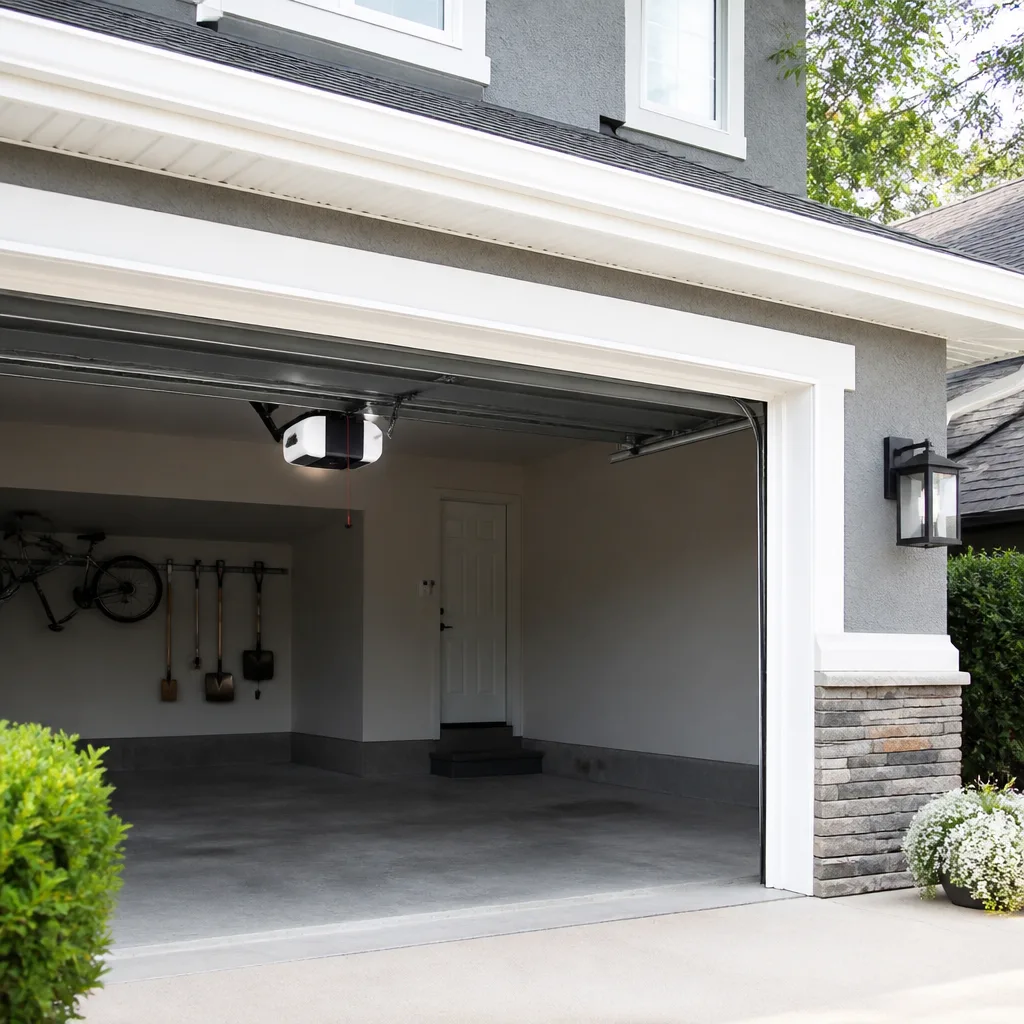 Chamberlain openers
Full 25-point door and opener safety check with every visit - springs, cables, rollers, tracks, and your LiftMaster or Chamberlain opener included
You get a price before we start. It does not change when the pro arrives.
Get your free estimateGarage Door Repair Maintenance Schedule: What to Do and When
Lubricating your garage door every six months sounds responsible. But if you’re using the wrong product on the wrong parts, you’re accelerating wear, not preventing it. Spraying a thin penetrating oil on your torsion springs, for example, strips the factory coating that keeps them from corroding and does nothing to reduce the friction that actually fatigues the metal. Most generic maintenance guides hand you a single calendar and assume every door in the country wears the same way. In Killeen, it doesn’t. Blazing summer heat, intense UV, and the fine caliche dust that blows across Central Texas change when each component needs attention. This guide builds a real schedule around how parts actually wear here.
Quick Answer
A garage door maintenance schedule in Killeen breaks into three tiers: check the safety reverse and balance every month, lubricate and inspect moving parts every three to six months, and service springs, cables, rollers, and weatherstripping once a year. The intervals matter less than matching the right task to the right component, and in Central Texas heat, springs and weatherstripping wear faster than national guides suggest. Our technicians have up to 8 years of experience reading exactly these wear patterns on local doors.
Styles & brands we work with
- Raised-panel steel
- Carriage house
- Modern flush
- Full-view glass
- LiftMaster openers
- Chamberlain openers
Table of Contents
- Why Killeen Doors Wear Differently
- The Monthly 10-Minute Check
- Every 3 Months: Lubrication and Hardware
- Every 6 Months: Rollers, Tracks, and Seals
- Once a Year: Springs, Cables, and the Full Inspection
- The Right Lubricant for Each Component
- What Voids a Manufacturer Warranty
- When to Call a Professional
Why Killeen Doors Wear Differently
Most garage door maintenance advice is written for a temperate climate with four moderate seasons. Killeen doesn’t run that way. Summers here push a garage interior well past comfortable, and a door panel baked from the outside and roasted from the inside degrades on a different timeline than the same door in a cooler region. That has a direct effect on three things: the rubber, the metal, and the lubricant.
UV exposure is the biggest silent factor. Weatherstripping, the bottom seal, and the rubber gaskets around windows are the parts most exposed to direct sun, and they’re the first to dry out, stiffen, and crack. A bottom seal that’s become brittle doesn’t just let dust and insects in. It drags on the floor every time the door travels, which puts extra strain on the opener motor and the springs. Homeowners often replace a failing Genie or LiftMaster opener when the real culprit is a five-dollar seal the motor has been fighting for months.
The soil composition around Central Texas is another factor you won’t read about in a national guide. The region’s fine, dusty soils migrate into garages on shoes, tires, and wind. That grit settles on the tracks and works its way into roller bearings. Over time a dry, dusty track becomes an abrasive surface that grinds down roller wheels far faster than a clean one.
Non-insulated steel doors are common on Killeen homes, and they radiate summer heat inward. Insulated panels, like many Clopay and Amarr models, hold up better, but no door is immune to thermal cycling. Metal expands in the afternoon sun and contracts overnight. That expansion and contraction is normal, but it does mean hardware fasteners loosen more often than they would in a mild climate. Checking bolts and hinges is a genuine maintenance priority here, not an optional extra.
We bring this up because a schedule that ignores local conditions is a schedule you’ll abandon. When you understand why a task matters in Killeen, you’re far more likely to keep doing it.
The Monthly 10-Minute Check
Ten minutes once a month catches most problems before they cost you a major repair. The most valuable check you can run is the balance test, and it’s also the best early-warning system for spring failure. A torsion spring doesn’t snap without warning; it weakens gradually, and the balance test reveals that weakening weeks before the door stops working.
Here’s how to run it:
- Close the door and pull the manual release cord (the red handle) to disconnect the door from the opener.
- Lift the door by hand to about waist height, then let go.
- A balanced door stays roughly where you left it. A door that drifts down or slams is telling you the springs have lost tension.
- Lift the door to the halfway point and hold it. It should feel manageable in one hand, not like you’re fighting a heavy weight.
- Reconnect the opener by putting the door back on the carriage and testing travel.
If the door won’t hold position or feels dangerously heavy, stop testing. A door that falls while you’re under it can cause serious injury, and a weakening spring is under enormous load. That’s the signal to call a trained technician rather than push further.
Alongside the balance test, walk the perimeter monthly. Look for daylight under the bottom seal, listen for grinding or squealing as the door travels, and watch for any panel that looks out of line. If you have a newer opener with a self-diagnostic LED or a smartphone app, check it for an error code. A Craftsman or Chamberlain unit that’s throwing a code is often telling you the safety sensors are misaligned or dirty. Clearing a sensor with a cloth counts as maintenance too.
Every 3 Months: Lubrication and Hardware
Every three months, the focus shifts from testing to conditioning. This is when you lubricate the moving metal parts, tighten what’s rattled loose, and clean the tracks. In Killeen, three months is the right interval because the dust and heat work faster than in a cooler climate. Waiting six months between lubrications here means several weeks of metal-on-metal wear you never see.
At the three-month mark, work through this list:
- Hinges and pivot points: a small dab of white lithium grease or a garage door-specific spray lubricant on each hinge. Wipe away excess so it doesn’t collect dust.
- Roller stems and bearings: a light lubricant on the metal stems, not the wheels themselves, so they spin freely in their brackets.
- Torsion springs: a purpose-made garage door lubricant, applied as a thin film. Never use a penetrating oil like standard WD-40; more on that below.
- Lift cables: inspect visually, but do not lubricate them. Cables should stay dry so you can spot fraying.
- Bolts and fasteners: check the brackets and the hinge bolts. The heat expansion in Killeen loosens these faster than you’d expect. Snug, not overtightened.
While you’re at it, wipe down the tracks with a dry cloth. Don’t use solvent or heavy grease on the tracks; they should be clean and dry so the rollers can travel smoothly. A track packed with old grease and grit is worse than a dry one.
This is also the checkpoint where we’d flag the opener. If your opener is a Genie, Chamberlain, or LiftMaster, check that the safety reverse still works by placing an object in the door’s path and closing it. The door should reverse on contact. If it doesn’t, that’s a safety problem worth a professional look. Our garage door opener repair team handles these diagnostics regularly.
Every 6 Months: Rollers, Tracks, and Seals
The six-month mark is where you go a level deeper than lubrication. This is roller and seal territory, and both wear faster in hot climates. Rollers are the small wheels that ride in the tracks, and a worn roller doesn’t just squeak. It can jump the track or cause the door to pull unevenly, which stresses the panels and the opener.
Inspect each roller as you go:
- Look at the roller surface. Steel rollers develop flat spots and rough edges. Nylon rollers crack or go brittle. Either way, worn rollers get replaced, not lubricated.
- Check for wobble. A roller that rocks in its bracket is a roller on its way out.
- Look at track alignment. Run your hand along each track (with the door closed) and feel for dents or tight spots. A track that’s been bumped out of line will make rollers wear fast.
- Replace the bottom seal if it’s cracked or stiff. This is your biggest barrier against Killeen dust. A pliable seal keeps grit out and lets the door seal evenly.
Weatherstripping around the door frame deserves the same attention. Sun-baked rubber hardens and pulls away from the frame. When it does, dust and heat get in, and the door bangs against a hard surface every time it closes. For doors from Clopay, Amarr, or Wayne Dalton, seals are usually replaceable without touching the panels. That’s a job a tech can knock out quickly.
Six months is also a good time to oil the opener if it has a chain or screw drive. Chain-driven units benefit from a chain-specific lubricant, not a general spray. Belt-driven openers are quieter and don’t need the same treatment.
Once a Year: Springs, Cables, and the Full Inspection
Once a year, the whole system deserves a professional inspection, and there’s a good reason for that. Springs and cables are the parts most likely to fail dangerously, and they’re the parts you shouldn’t be probing or adjusting yourself. A wound torsion spring stores enough energy to break bones if it releases unexpectedly. That’s why we’re careful to describe what to check for rather than how to adjust a spring with your own hands.
What an annual inspection covers:
- Spring condition: a technician measures the spring’s stretch or wind count and spots the fatigue that a visual check misses. Killeen’s heat accelerates spring fatigue, so annual evaluation matters.
- Cable integrity: fraying, loose tension, and drum wear. A snapping cable is loud and unpredictable, so catching fraying early is the whole point.
- Panel and hinge alignment: thermal cycling loosens things. A pro re-levels panels and tightens the hinge plates.
- Opener load and force settings: the opener works against whatever resistance the door offers. As the door wears, the opener may need recalibration so it isn’t straining.
- Overall safety check: photo-eye alignment, auto-reverse function, and manual release.
If you’re unsure whether your system is due, a thorough garage door repair inspection will tell you exactly where you stand. For an annual visit, our Killeen team can walk the whole door and opener in one appointment.
The Right Lubricant for Each Component
The wrong lubricant is worse than no lubricant. This is the single most common maintenance mistake we see, and the most damaging. Here’s the short version: use a garage door-specific spray on moving metal, use silicone on rubber and plastic, and keep standard WD-40 away from your springs.
Why the WD-40 warning? Standard WD-40 is a solvent-based penetrating oil. On a torsion spring, it strips the protective coating and leaves the spring exposed to moisture and dust without much lasting lubrication. It can also attract grit that works into the coils. Springs need a purpose-made garage door lubricant, and so do your hinges, roller stems, and bearing plates. A silicone spray is the right call for the bottom seal and any rubber weatherstripping, because oil degrades rubber.
Here’s a component-by-component guide:
- Torsion and extension springs: garage door lubricant, thin film.
- Hinges and pivot points: white lithium grease or garage door spray.
- Roller bearings and stems: light garage door lubricant.
- Tracks: none. Keep them clean and dry.
- Rubber seals and weatherstripping: silicone spray.
- Cables: none. Leave them dry.
Match the product to the part and you’ll get real life out of your hardware. Guess wrong and you’re doing the opposite of maintenance.
What Voids a Manufacturer Warranty
Before you pick up a wrench, know that some maintenance tasks can void your manufacturer’s warranty on major brands like Genie, Clopay, or LiftMaster. The key is understanding what the warranty actually covers and what it doesn’t.
Most manufacturer warranties cover defects in materials and workmanship, not normal wear. They typically don’t cover springs and hinges, which are considered wear items. What they do cover is the opener motor and electronics, and that coverage can be affected by improper work. Common warranty-voiding actions include:
- Adjusting or replacing torsion springs yourself (this is one of the most common reasons coverage gets denied on door assemblies).
- Tampering with the opener’s force settings beyond the standard adjustment, which can be logged and flagged.
- Using incompatible parts or a third-party opener remote that interferes with the motherboard.
- Modifying the door’s structure, like adding panels or cutting tracks, which alters the load the system was rated for.
- Ignoring required maintenance records if the manufacturer asks for them.
On a Clopay or Amarr door, the warranty on the finish and panels often assumes proper maintenance, including keeping the bottom seal intact. On a Genie or LiftMaster opener, the electronics coverage usually assumes the unit wasn’t opened and altered. The safest approach is to document maintenance and let a qualified technician handle anything involving springs, cables, or the opener’s internals. That keeps your warranty intact and your door safe.
If you’re not sure what your warranty requires, ask us. We work with all these brands and can tell you what’s typically covered and what a repair might mean for your coverage.
Common Mistakes to Avoid
- Lubricating the tracks. Tracks should be clean and dry. Oil on the tracks attracts Killeen dust and turns into a grinding paste. Keep them wiped down instead.
- Using standard WD-40 on springs. It strips the protective coating and shortens spring life. Use a garage door-specific lubricant on springs and hinges.
- Adjusting torsion springs yourself. The most dangerous DIY mistake in this trade. A wound spring is under massive tension, and a slip can cause a serious injury. Call a technician.
- Skipping the monthly balance test. It’s the single best predictor of spring failure, and it takes less than ten minutes. Homeowners who skip it tend to find out about spring wear the hard way.
- Ignoring a dragging bottom seal. A cracked, stiff seal drags on the floor and strains the opener. Replacement is quick and cheap, but putting it off can wear out the motor sooner.
- Over-tightening bolts to stop rattles. Thermal expansion loosens hardware, but over-tightening strips the threads and distorts brackets. Snug is enough.
- Blaming the opener for a door problem. A door that grinds or reverses often has a mechanical issue, not an opener issue. Diagnosing the real fault saves you from replacing a perfectly good opener.
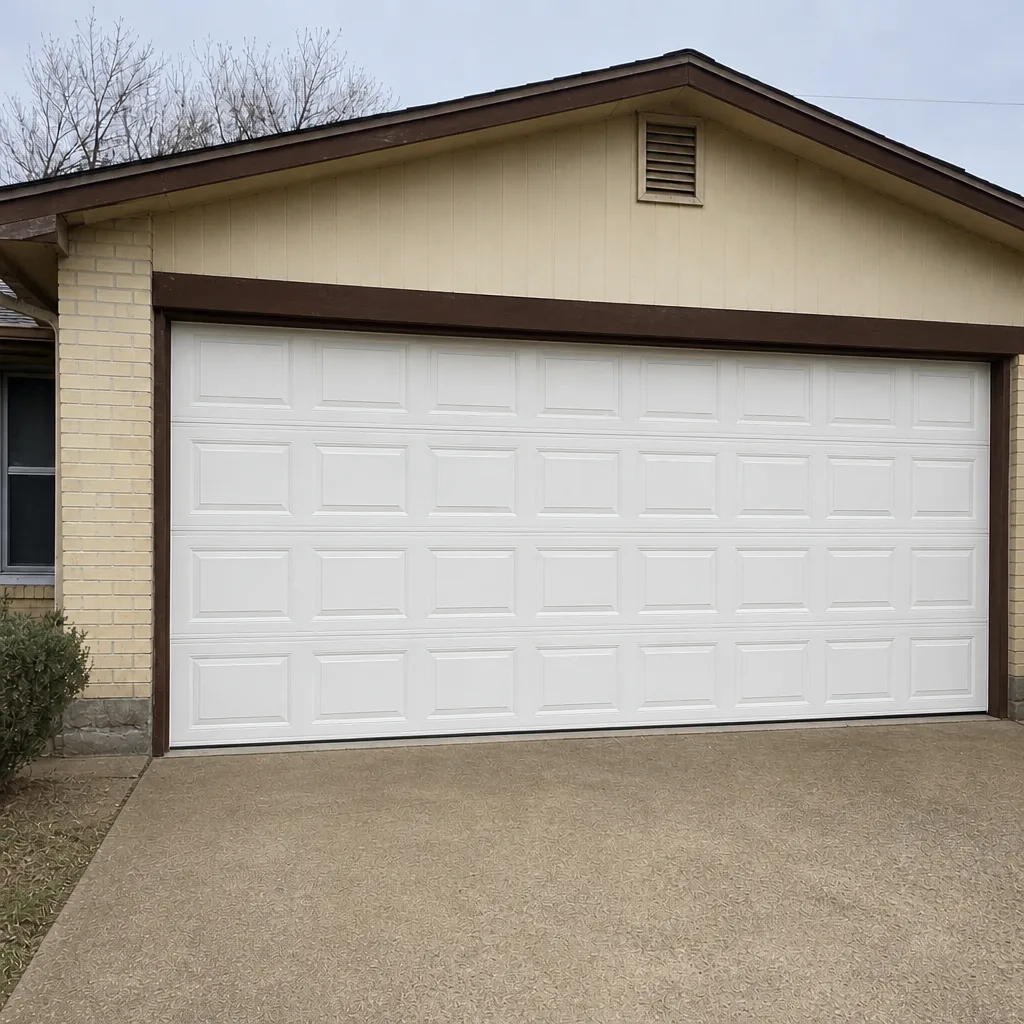
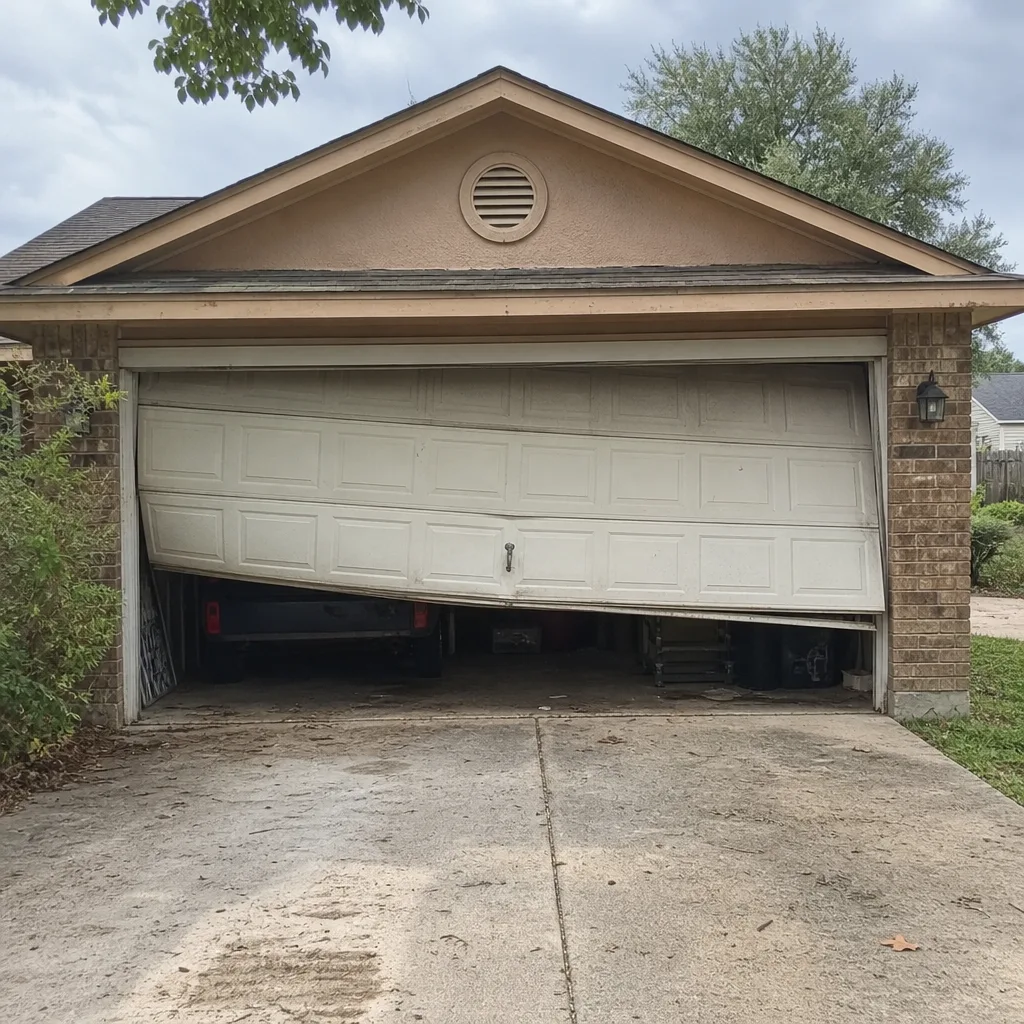
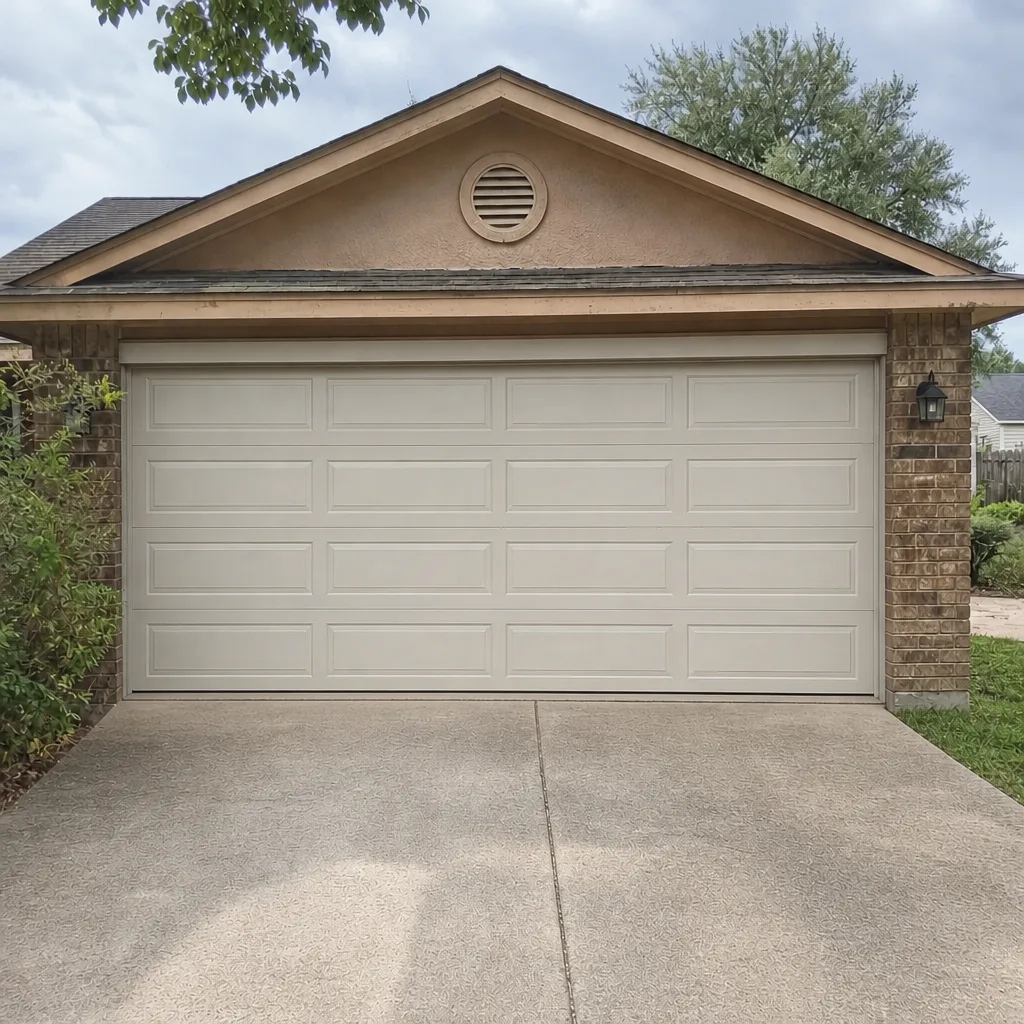
See the difference
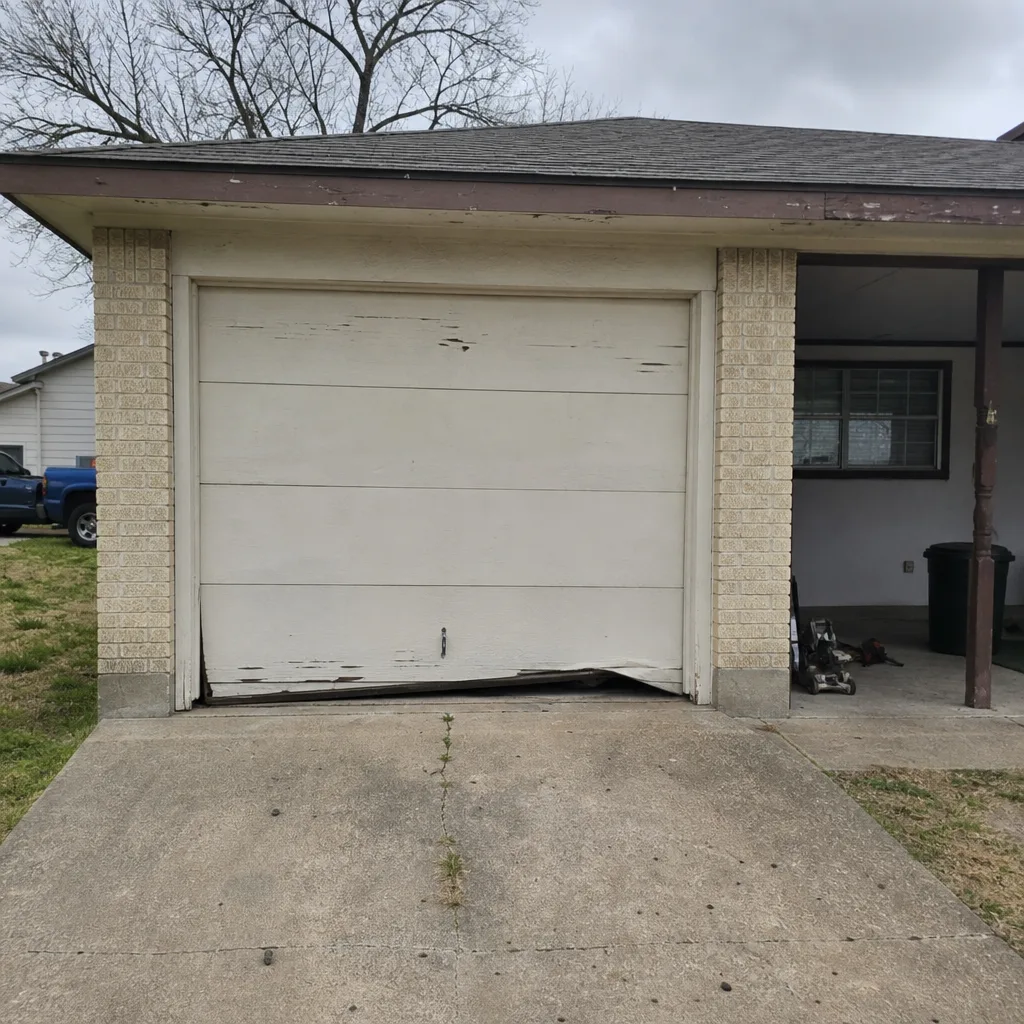 Before
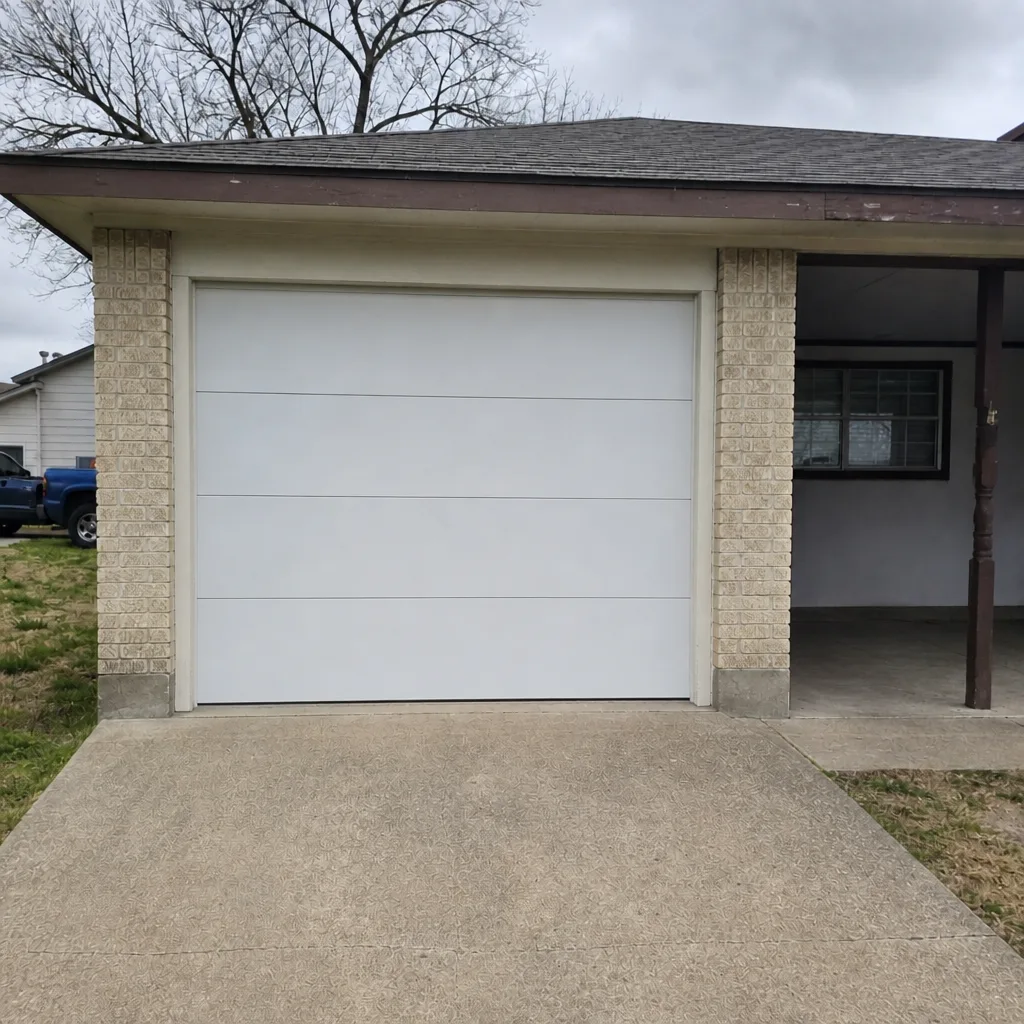 After
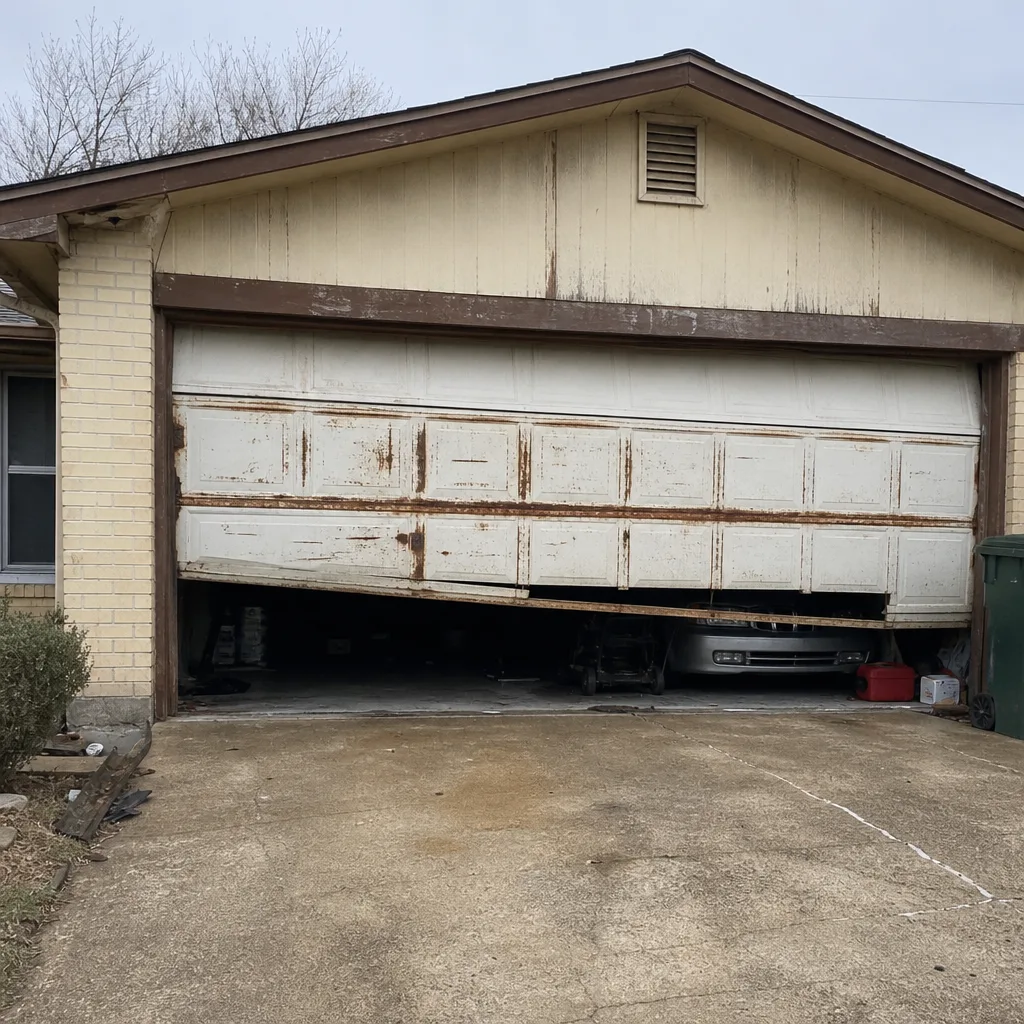 Before
 After
 Before
 After
When to Call a Professional
Some tasks are safe for a homeowner, and some aren’t. Call a professional when the door won’t balance, when you see a frayed cable, when a spring is clearly weak or broken, or when the opener reverses for no reason you can find. Those are the cases where continuing to test can hurt you or make the problem worse. Springs and cables are the parts we never advise a homeowner to touch.
If you’re unsure, a professional inspection is the money well spent. Archer Garage Door Repair offers free estimates in Killeen, and our technicians have up to 8 years of experience diagnosing exactly these issues. Call us at (833) 719-3738. We answer 24/7. Fast dispatch from 7am to 7pm, Sunday through Friday, closed Saturday. One visit can cover the door and the opener together.
Frequently Asked Questions
Every three to six months is right for Killeen, with three months being the safer end of that range because of heat and dust. Lubricate hinges, roller stems, and springs with a garage door-specific product, never standard WD-40. Call (833) 719-3738 for an exact quote on a professional tune-up – estimates are free.
A door that won’t stay at waist height during the balance test is the clearest warning. If the door drifts down or feels dangerously heavy, the springs have lost tension. Stop testing and call a professional, because a spring under load can injure you. Call (833) 719-3738 to schedule an inspection.
You can safely handle lubrication, the monthly balance test, track wiping, and visual inspections. You should not adjust springs, replace cables, or open the opener’s internals; those are the tasks that cause injury and can void warranties. Call (833) 719-3738 when you reach that line.
Yes, because most premature failures come from worn seals, dry rollers, loose hardware, or neglected springs, and maintenance catches all four. A well-maintained Clopay, Amarr, or Wayne Dalton door lasts noticeably longer than a neglected one. An annual professional evaluation is the backbone of that. Call (833) 719-3738 for a free estimate.
It can. Proper maintenance helps preserve coverage, but DIY spring or opener work is one of the most common reasons a claim gets denied. Keep records and let a technician handle anything internal. Call (833) 719-3738 with your brand and model, and we’ll tell you what’s typically covered.
Listen for grinding or squealing, look for flat spots on steel rollers or cracks in nylon ones, and feel for tight spots along the tracks. If the door pulls unevenly or jumps, that’s the signal. Our Archer Garage Door Repair team can diagnose and fix both rollers and tracks in a single visit.
The Bottom Line
Your garage door maintenance schedule should be built around how parts actually wear in Killeen’s heat and dust, not copied from a national checklist. Check the balance monthly, lubricate and tighten every three months, inspect rollers and seals every six months, and book a full professional inspection annually. Use the right lubricant for each part, keep the tracks clean and dry, and leave springs and cables to a technician. Done consistently, that schedule catches most failures early and keeps the door and opener working together for years. If you’d rather not manage it alone, we’re happy to help.
Written by the team at Archer Garage Door Repair.