
Last updated November 15, 2026
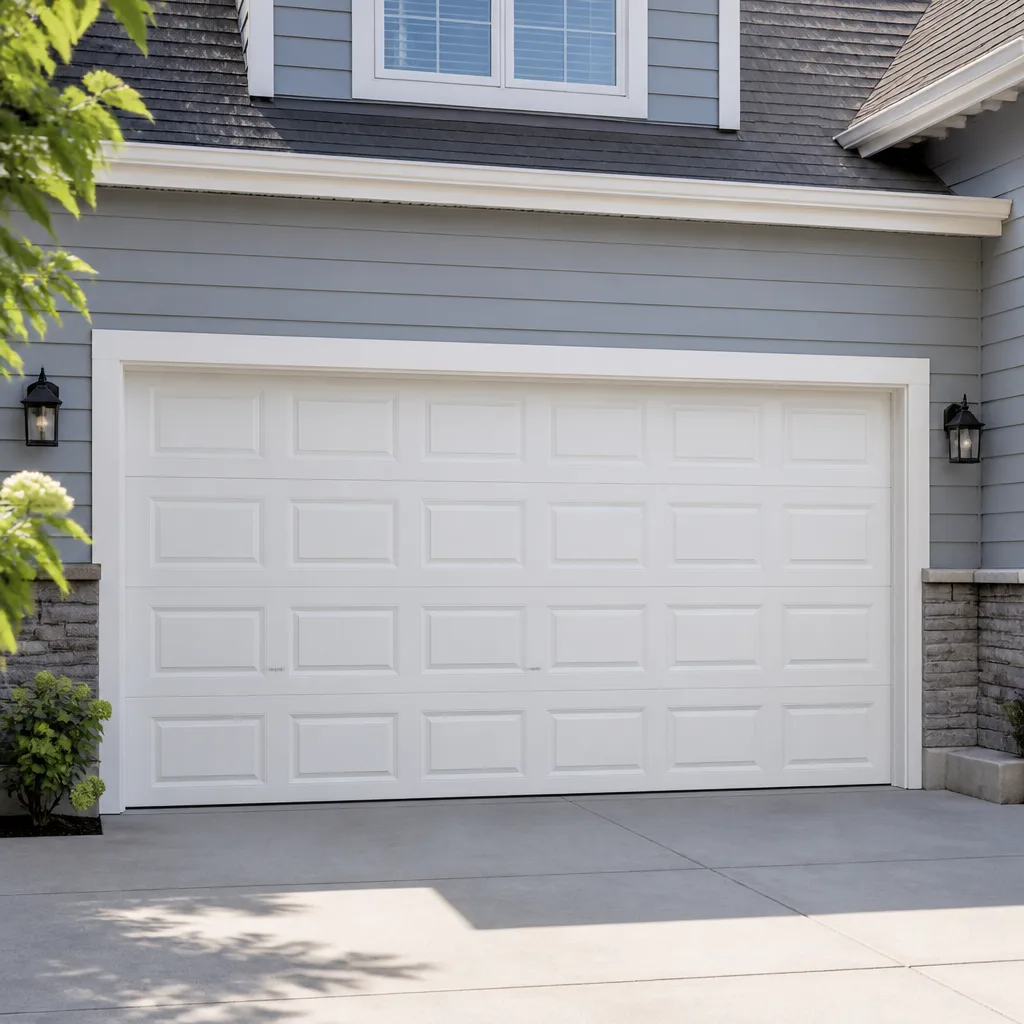 Raised-panel steel
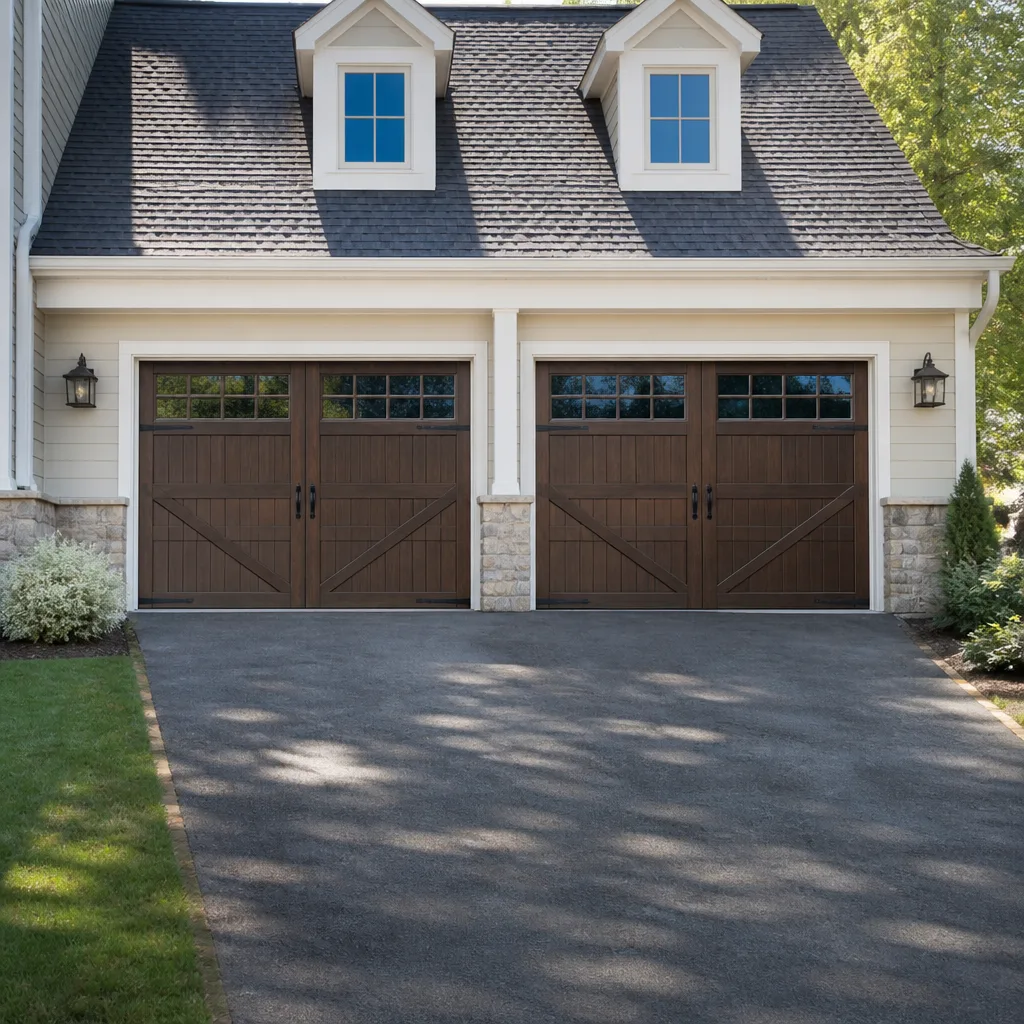 Carriage house
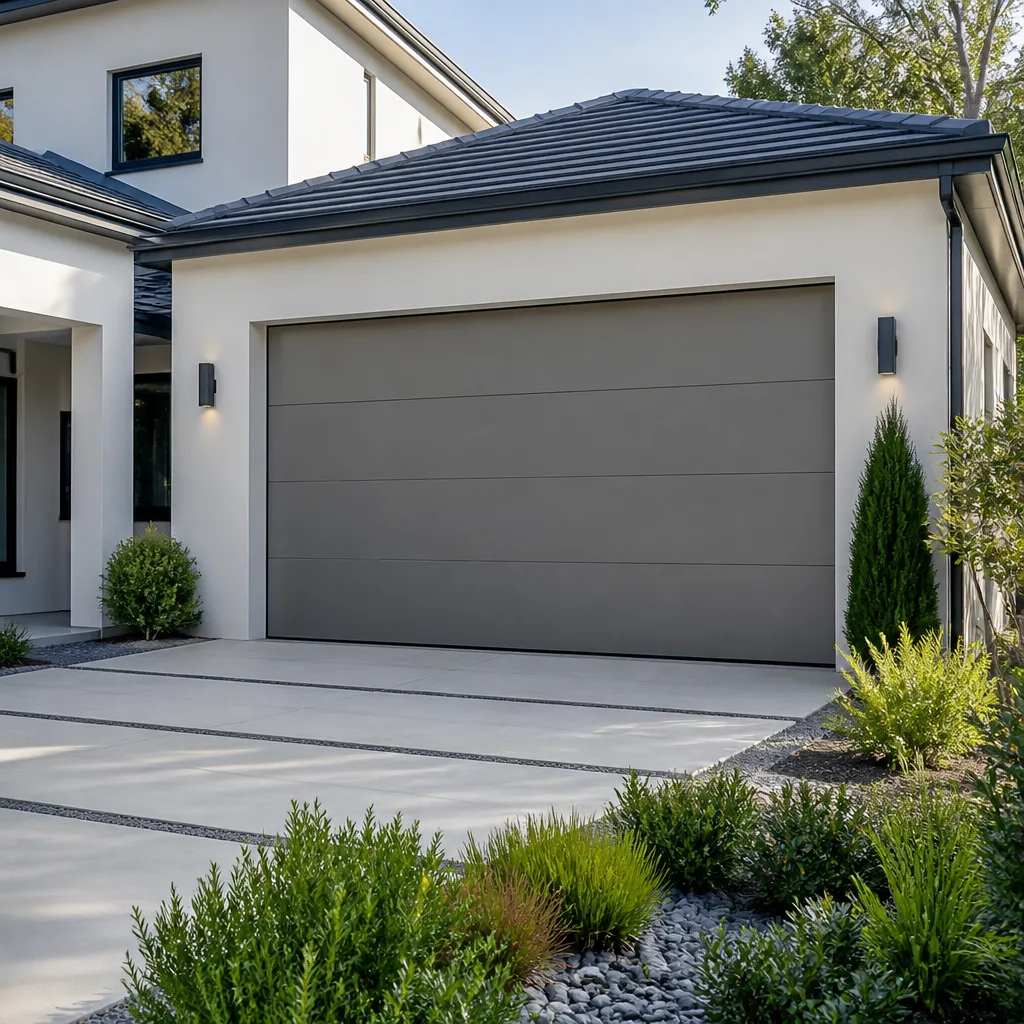 Modern flush
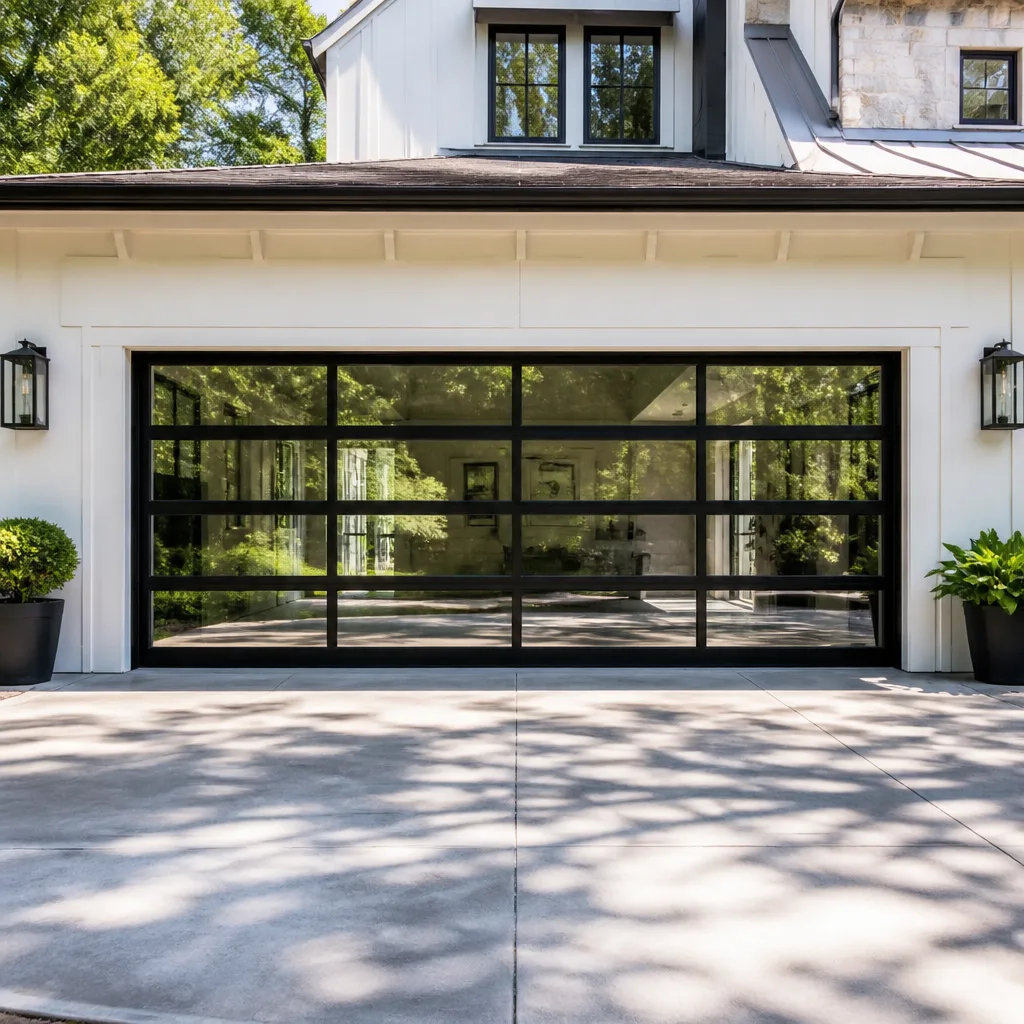 Full-view glass
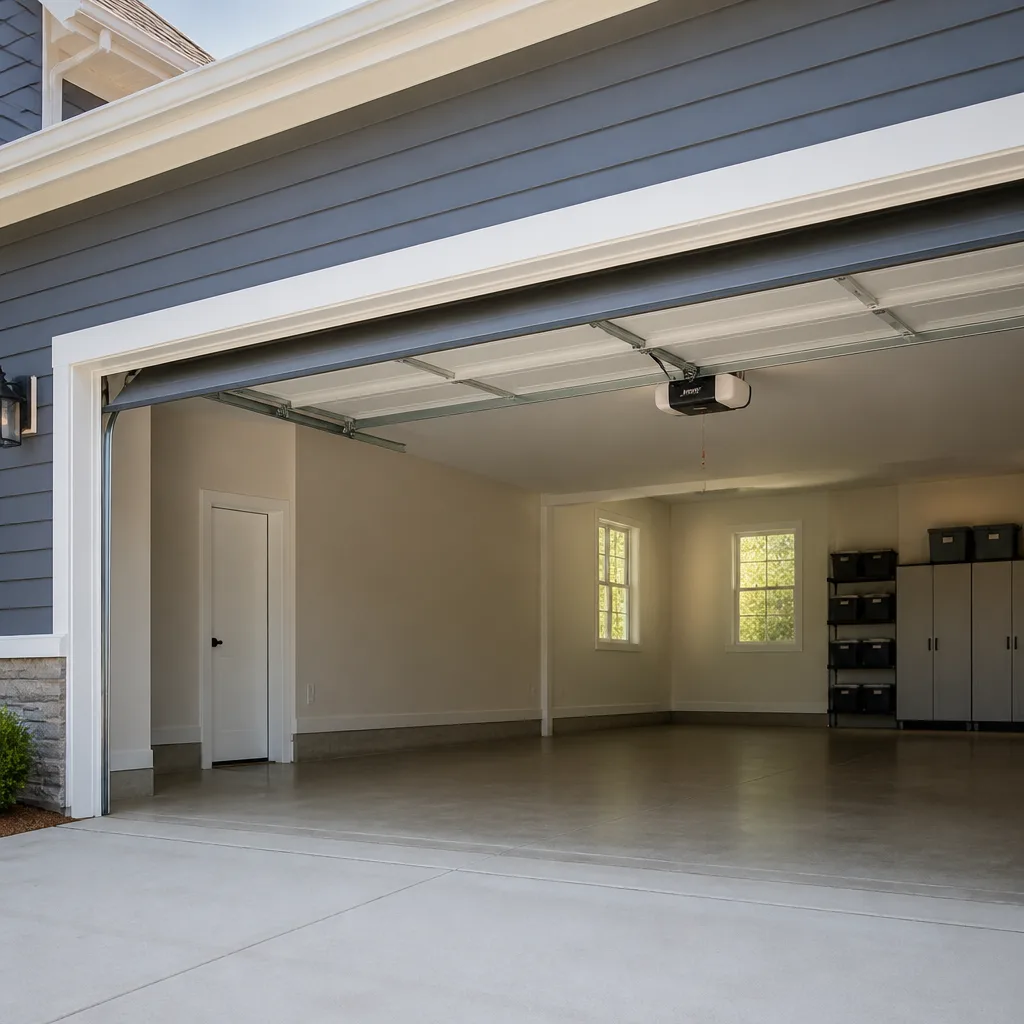 LiftMaster openers
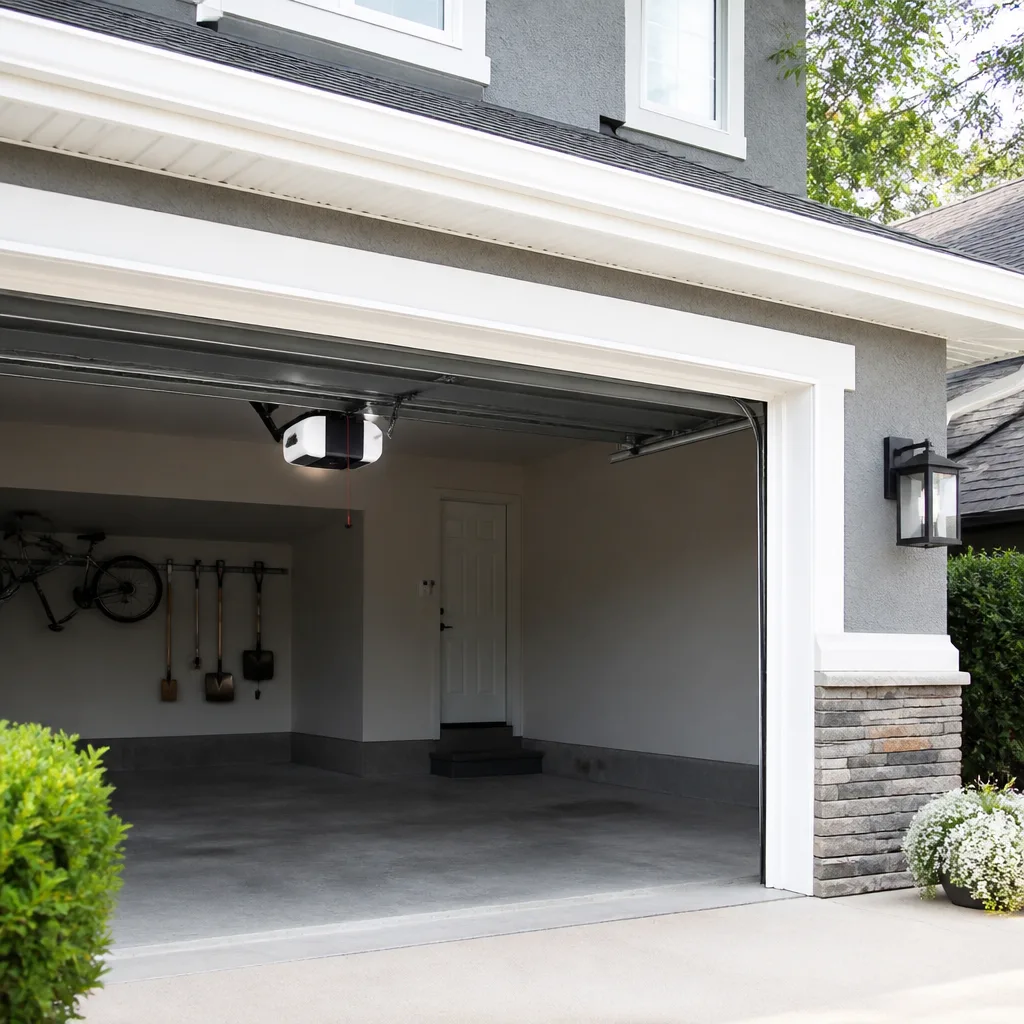 Chamberlain openers
Full 25-point door and opener safety check with every visit - springs, cables, rollers, tracks, and your LiftMaster or Chamberlain opener included
You get a price before we start. It does not change when the pro arrives.
Get your free estimateGarage Door Repair Maintenance Checklist for Killeen Homeowners
Most garage door failures don’t start with a bang. They start with a sound you heard three weeks ago and shrugged off, or a gap in the spring you never looked at closely because the door still opened. The torsion spring that finally snaps on a Tuesday morning almost always showed a warning sign first: a visible gap in the coil, a door that lifts harder on one side, a grinding note that wasn’t there last month. The problem is that nobody tells homeowners what to look for, so the sign goes unread until the door won’t move at all. This checklist is built around what actually breaks in Killeen, not what a national PDF says you should check. Read it once, then put the monthly and quarterly tasks on your calendar.
Quick Answer
A garage door maintenance checklist for Killeen should cover monthly visual checks (springs, cables, rollers, weatherstripping), quarterly lubrication of hinges, rollers, and springs with a silicone or lithium-based lubricant that holds up in Texas heat, and an annual hardware torque and balance inspection. Document every check and repair so you and your next technician have a service history instead of starting from zero.
Styles & brands we work with
- Raised-panel steel
- Carriage house
- Modern flush
- Full-view glass
- LiftMaster openers
- Chamberlain openers
Table of Contents
- Why Killeen’s Climate Makes Maintenance Non-Optional
- Monthly Visual Checks: 10 Minutes That Prevent Emergencies
- Quarterly Lubrication: The Right Products for Texas Heat
- Annual Hardware and Balance Inspection
- How to Test Spring Balance Safely
- Weatherstripping: Inspecting for Killeen’s Temperature Swings
- Opener and Safety Sensor Maintenance
- Documenting Your Door’s Service History
Why Killeen’s Climate Makes Maintenance Non-Optional
A garage door in Killeen lives a harder life than the same door in a coastal city or a mountain town. The climate here runs from chilly January nights to August afternoons that push past 100 degrees, and that swing does real work on metal and rubber. Springs cycle between hot and cool dozens of times a week. Weatherstripping that seals tightly in winter can expand and sag by midsummer. Metal tracks and hinges pick up grit from the red clay soil that surrounds most Killeen neighborhoods whenever the wind blows. None of this is dramatic; it’s just constant, and it adds up.
The most common reason Killeen homeowners call us for emergency repair is a broken torsion spring, and in the majority of those calls the spring had been showing a warning sign for weeks. That sign is almost always visible: a clear gap between coils, a door that lifts higher on one side than the other, or a grinding note that gets louder as the door travels. A maintenance routine is what turns those early warnings into a scheduled repair instead of a Saturday scramble.
There’s a second reason maintenance matters here, and it’s less about breakdowns than about cost. A garage door system that’s out of balance runs its opener harder than it should, and an opener that works harder fails sooner. Regular lubrication and torque checks keep the mechanical load where it belongs. If something does fail, a technician has less guesswork, and a system with a documented service history is usually cheaper to diagnose than one nobody has touched. Our technicians have up to 8 years of experience working on every major brand, and they’ll tell you plainly: doors that get annual attention go longer between major repairs.
Monthly Visual Checks: 10 Minutes That Prevent Emergencies
You don’t need tools for most of this. A monthly walk-around of the door catches the large majority of early failures before they become emergencies, and it takes less time than a coffee break. Do it with the door closed first, then run it once and watch from the side. Here’s what to check:
- Springs (with the door closed). Look for a clear gap between the coils on a torsion spring or stretched coil marks on a long extension spring. Either one means the spring is on its way out. Do not touch, wind, or adjust springs yourself; the amount of tension stored in them can cause serious injury, and this is strictly professional work.
- Cables. Cables should run straight and snug along the sides without fraying, kinks, or slack. A frayed cable is a hazard, not a maintenance item.
- Rollers. Look for flat spots, cracks, or wobble in the rollers. Nylon rollers wear more gracefully than metal; metal rollers on old doors often chip and score the track.
- Hinges and brackets. Check for loose screws, rust, and bent metal. In Killeen’s heat and dust, a slightly loose hinge tightens into a problem fast.
- Tracks. Run your hand along the inside of each track (door closed) to feel for bends or grit. A door that shudders on the way up is often telling you a track is out of alignment.
- Weatherstripping along the bottom. Look for tears, hardening, or a gap between the seal and the floor when the door is down.
- Panel condition. Any new dent, crack, or separation between panels deserves a closer look, especially after high wind.
- Safety sensors. Look at the two small sensors near the floor on either side. Each should have a solid light. A blinking light means the beam is blocked or misaligned.
- Door balance (quick look). Open the door halfway by hand only if you’re comfortable doing so, then let it go. It should hold position without sliding. If it drops, the spring is likely worn.
- Hardware noise. Listen on the way up and down. A grinding, popping, or squealing note that wasn’t there last month is a signal, not a quirk.
Anything on this list that looks bent, frayed, or gapped should get a call. That’s exactly what garage door repair is for, and it’s cheaper to handle a warn spring than a snapped one. Call (833) 719-3738. We answer 24/7.
Quarterly Lubrication: The Right Products for Texas Heat
Lubrication is where most homeowners go wrong, and the mistake is almost always the product. A general-purpose WD-40, a light household oil, or a spray that’s mostly solvent will attract dust on metal tracks and break down fast in Texas summer heat. What works in Killeen is a silicone-based lubricant or a white lithium grease, both of which stay put at high temperatures and don’t turn into a dust magnet. If you’re not sure what you have, read the label before you spray.
Here’s how to do a quarterly pass the right way:
- Hinges. One short spray at each hinge pivot point. Wipe any excess with a rag.
- Rollers. A small amount at each roller’s shaft, not on the roller surface itself. A rollers’ bearing is the part that needs it.
- Springs. Lightly lubricate the torsion spring coils. Don’t overdo it, and don’t touch the spring other than to apply a light coat along the coil.
- Track surfaces. A very light wipe along the inside of each track with a silicone-lubricated rag. Do not grease tracks; grease collects grit, and grit is what kills rollers.
- Locks and latches (if your door has them). Dry lubricant only, never grease.
- Wipe down the door surface. A wipe-down with a damp cloth keeps grit out of the panel seams.
Two things to keep out of your kit here: WD-40 in its standard formula (it’s a solvent, not a lubricant, and it breaks down fast in Killeen heat) and anything labeled “general purpose” without a temperature rating. If a lubricant is thin enough to run off a hot spring by August, it’s the wrong one.
The opener rail also deserves a quarterly check. LiftMaster and Chamberlain rails typically have a small drive or belt that stays clean and dry, while older Genie and Craftsman units may call for light lubrication on the chain or screw drive. If your manual doesn’t say, don’t guess; a few drops of silicone on a chain won’t hurt, but grease on a belt will. Not sure which system you have? That’s a reasonable thing to ask about when you call.
Annual Hardware and Balance Inspection
Once a year, ideally before the summer heat locks in, do a full hardware pass. This is the check that catches what monthly looks miss: a hinge that’s worked a quarter-turn loose, a bolt that’s backed out, a roller that’s flat on one side, a track that’s drifted out of alignment. It should take 20 minutes, and skip anything that requires climbing above the door or touching the spring under tension.
- Torque check. Tighten every accessible hinge screw and bracket bolt. Loose hardware in a high-cycle door is the leading cause of grinding and misalignment.
- Pulley and cable inspection. Cables should sit snug in their drums with no fray or kink. Pulleys should turn freely.
- Panel alignment. With the door closed, check that panels are flush and hinges are straight. If a panel has shifted, the whole system is under uneven load and the opener works harder.
- Balance test (manual lift, described below). Run the full balance test once a year, not just during a repair.
- Door run and safety reverse test. Place a small object (a wood block or a roll of paper towels) in the door’s path and confirm the door reverses on contact. Test the sensor beam by walking through it.
- Opener force settings. If the opener struggles or reverses at the least resistance, the force setting likely needs adjusting. Most LiftMaster and Chamberlain units have an adjustment on the motor head; if you’re not sure what the setting should be, leave it to a technician.
If the annual pass turns up something on a lift system, our technicians work on your brand: LiftMaster, Chamberlain, Genie, Clopay, Amarr, Wayne Dalton, Craftsman, and Raynor, across mechanical and electronic components. One call covers the door and the opener. For opener electronics specifically, garage door opener repair covers the motor, logic board, remotes, and keypad.
How to Test Spring Balance Safely
The manual lift test is the most useful thing a homeowner can do, and it’s also the safest part of the checklist as long as you follow one rule: don’t put your hands anywhere near the springs, cables, or hinges. The test measures whether the door’s springs are holding the door’s weight. A balanced door needs almost no effort to move by hand; an out-of-balance one seems to fall or fight you, and that’s a warning sign that a technician should see.
Before anything, disconnect the opener. On most openers there’s a red or metal release handle on a cord or lever; pull it and the door decouples from the drive so the opener isn’t fighting you. With the door free, follow these steps:
- Lower the door fully by hand. Move slowly and stay clear of the moving panels.
- Lift the door to about halfway. Don’t yank it; lift steadily with two hands on the bottom bar.
- Let go at the halfway point. Keep your feet away from the door and let it settle.
- Observe the result. A balanced door holds roughly where you let go. If the door drops a few inches and stops, the springs are losing tension; monitor and schedule a repair. If it drops all the way back down, the springs are worn enough to need professional inspection now, not next month.
- Reconnect the opener. Pull the release handle the other way or run the opener once to re-engage the trolley.
Note the word “inspection,” not “adjustment.” Adjusting or replacing a torsion spring involves winding a spring to hundreds of pounds of stored tension, and a slip can break a wrist or worse. Warning signs that demand a professional, not a DIY fix: a gap in the coil, a door that slams down after the halfway test, a broken spring you can see, or any cable that’s slack or frayed. Call (833) 719-3738. We answer 24/7, fast dispatch from 7am to 7pm.
Weatherstripping: Inspecting for Killeen’s Temperature Swings
Weatherstripping here takes a beating that a national checklist won’t tell you about. Killeen winters can run cold enough for a hard freeze, and August afternoons push past 100 degrees. Rubber and vinyl seals contract in January and expand in July, and after enough cycles they harden, crack, or sag away from the door edge. The bottom seal is the one most homeowners notice, but the sides and top matter just as much. A worn side seal lets in Killeen’s red clay dust and a surprising amount of heat, and it makes the garage door louder on wind.
Check your seals once a month along with the rest of your visual pass, and replace them before they tear. Look for:
- A visible gap between the bottom seal and the floor when the door is down. If you can see daylight, it’s leaking.
- Hard, stiff rubber that’s lost its give. Give the bottom seal a gentle squeeze; it should push in and spring back.
- Tears or chunks missing along the bottom seal, side seals, or top seal.
- Water intrusion staining on the garage floor after a hard rain, which usually points to the bottom seal.
- Pests getting in. A gap so small you can’t see it is still a hole to a scorpion or a roach, and Killeen garages get their share.
Seal replacement is a reasonable homeowner task for bottom seals on many doors, and we stock materials that hold up through the summer swing. If the seal is torn or the door won’t press down evenly, it may be a balance or hinge problem rather than a seal problem. In that case, replacing the seal alone won’t fix it.
Opener and Safety Sensor Maintenance
The opener is where most early warning signs get ignored, because the door still works, just a little worse. A LiftMaster or Chamberlain that’s been reliable for years starts taking an extra second to open, or the light stays on longer than it should, or the remote only works from a close distance. Those are often fixable adjustments, and ignoring them is what turns a $100 fix into a motor replacement. Once a month, run this short list:
- Safety sensor alignment. Both sensors near the floor should show a solid light. Block one with your hand and confirm the other reacts.
- Reverse-on-contact test. Place a small object in the door’s path and confirm the door reverses when it touches it.
- Remote and keypad range. If the remote only works close to the door, the receiver or the remote battery needs attention. Replace the remote battery once a year whether or not it acts up.
- Light behavior. The opener’s courtesy light should turn off when the door finishes a cycle. If it stays on, or the light flickers, the logic board may be signaling a fault.
- Unusual sounds from the motor. A clunk, a grind, or a loud hum means the opener is straining. Get it looked at before the motor fails.
- Wi-Fi and smart features. If your opener has a smart hub or is connected to a home network, confirm it’s still running the current firmware. A dropped connection is usually a router issue, but not always.
Genie and Craftsman openers follow the same basic maintenance, though their force and limit settings are often adjusted differently than LiftMaster and Chamberlain. That’s the advantage of calling a technician who knows your brand’s mechanics before the first visit: they walk in knowing what to check first.
Documenting Your Door’s Service History
A service history is worth more than most homeowners realize, and building one takes about 10 minutes a year. The idea is simple: if a technician has to start from zero every visit, every diagnosis takes longer, and small clues get lost. A one-page (or one-notebook) log tells the next technician what’s been done, when, and by whom, which is exactly the kind of information that shortens a service call.
What to record for each event:
- Date and what you noticed. “Door lifts unevenly on the left” beats “door broken.”
- What was done. Lubricated, adjusted, replaced. If a part was replaced, note the brand and approximate cost.
- Who did it. Your own name if you did the check, or the company name and technician for a service call.
- What was recommended. If a technician said the spring is wearing but not yet failing, write that down with a “monitor” note.
- Photos. A quick phone picture of the springs and the door label at each check makes the next inspection faster. Photograph the door’s brand and model plate while you’re at it (Clopay, Amarr, Wayne Dalton, and Raynor plates are usually easy to find).
Keep the log in a small notebook on a hook inside the garage. When you hire a technician, share it before they start. Our technicians have up to 8 years of experience across brands, and details you’ve recorded are more valuable to them than a full reset. If you’re in Killeen and want a starting service call, call (833) 719-3738; estimates are free.
Common Mistakes to Avoid
- Spraying WD-40 on the tracks. Standard WD-40 is a solvent, not a heat-stable lubricant, and here it attracts red clay dust and breaks down by July. Use silicone or white lithium instead.
- Greasing the tracks. Grease on tracks collects grit and chews through rollers. Tracks want a very light silicone wipe, not grease.
- Trying to adjust a torsion spring yourself. Stored tension in a torsion spring can cause serious injury, and no homeowner task on this list should ever put your hands on a spring under load. This is professional-only work.
- Ignoring a spring gap until the door drops. A visible gap in the coil is a warning, not a cosmetic detail. Replacement before failure means a scheduled repair instead of an emergency call.
- Running the door with a bent track. A door that shudders or scrapes on the way up usually has a track out of alignment. Running it makes the bend worse and damages rollers.
- Replacing the opener when the door is out of balance. A straining opener is often blamed for a door problem it’s just reacting to. Balance first, then the opener.
- No service log. Every technician who starts from zero repeats the same checks. A log prevents that and makes recommendations easier to follow.
One more to add: assuming the door “just needs a new battery” when the opener starts acting up. Remotes and sensors do go through batteries, but a Genie or LiftMaster that reverses for no reason or beeps in a pattern is often signaling a logic-board fault. A quick check with a multimeter will tell you which, and a technician can usually tell you in minutes.
See the difference
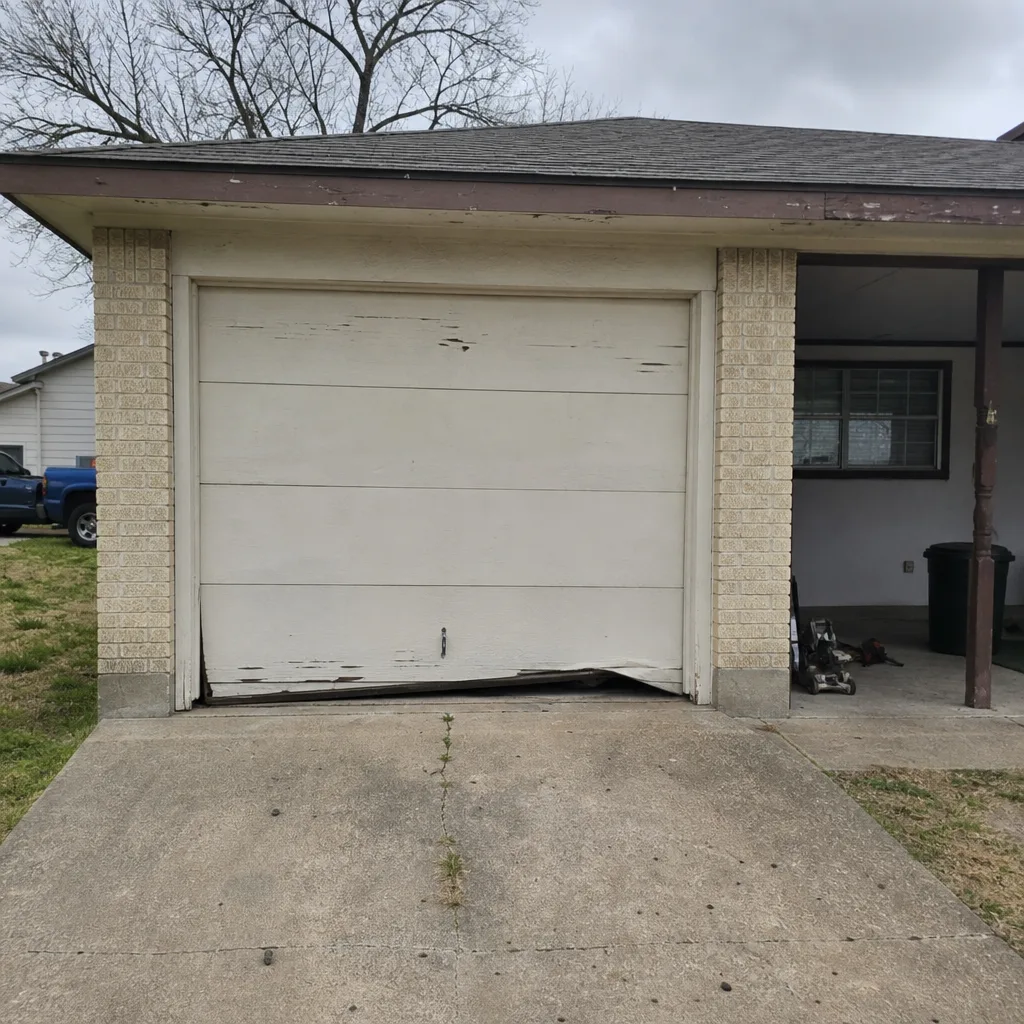 Before
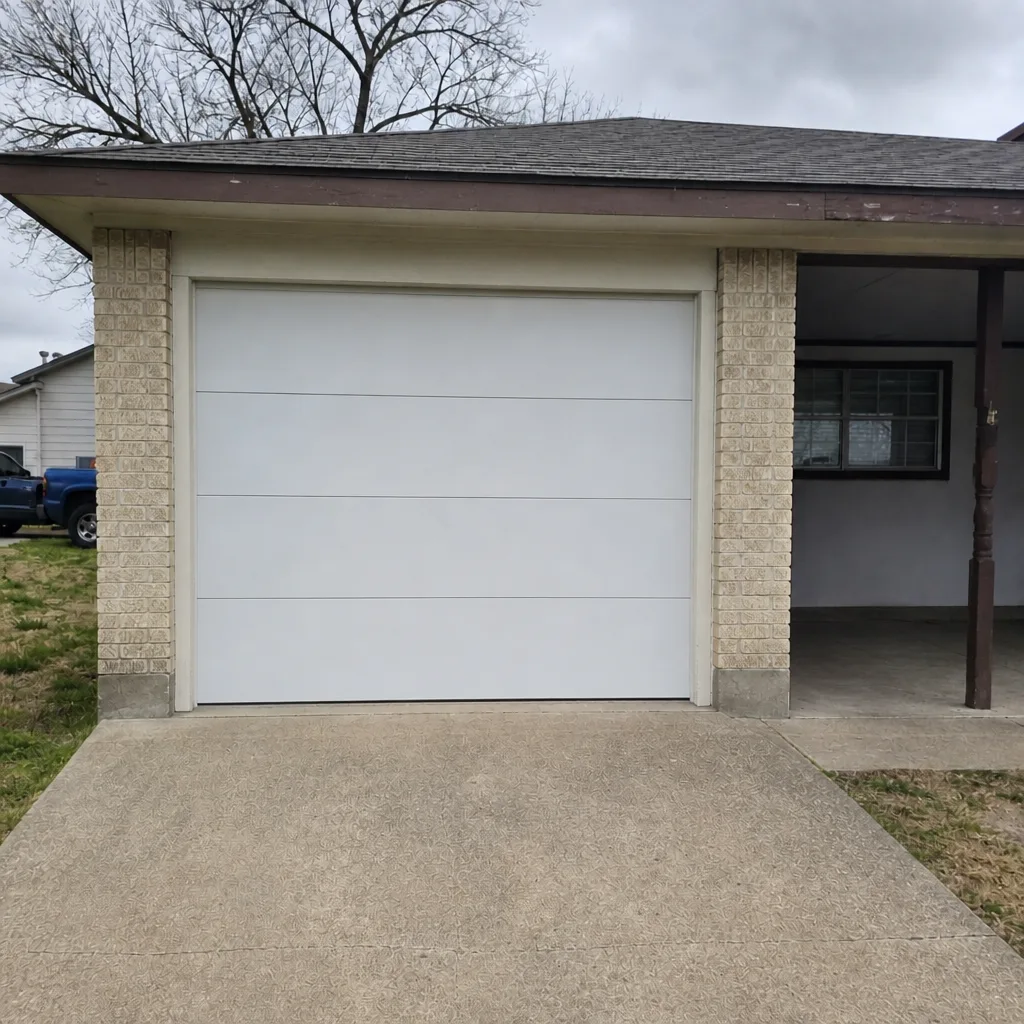 After
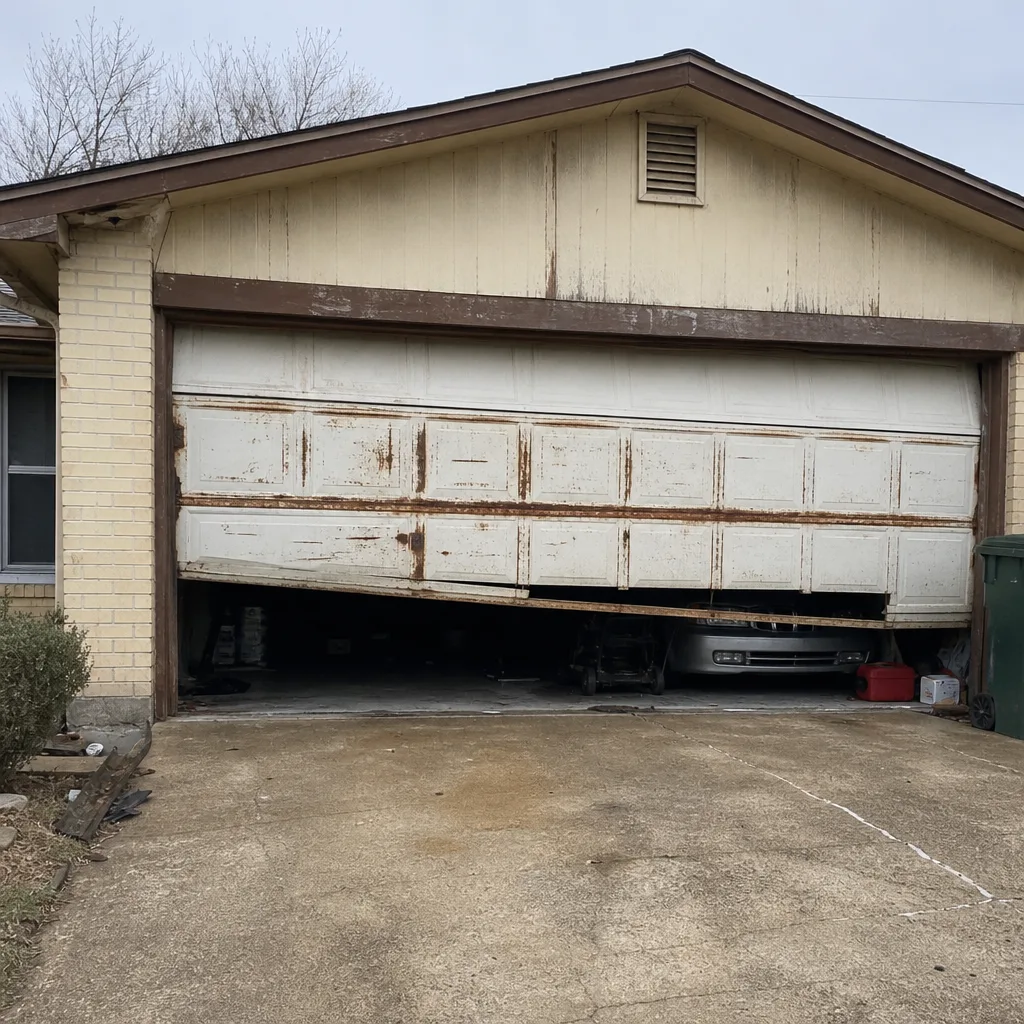 Before
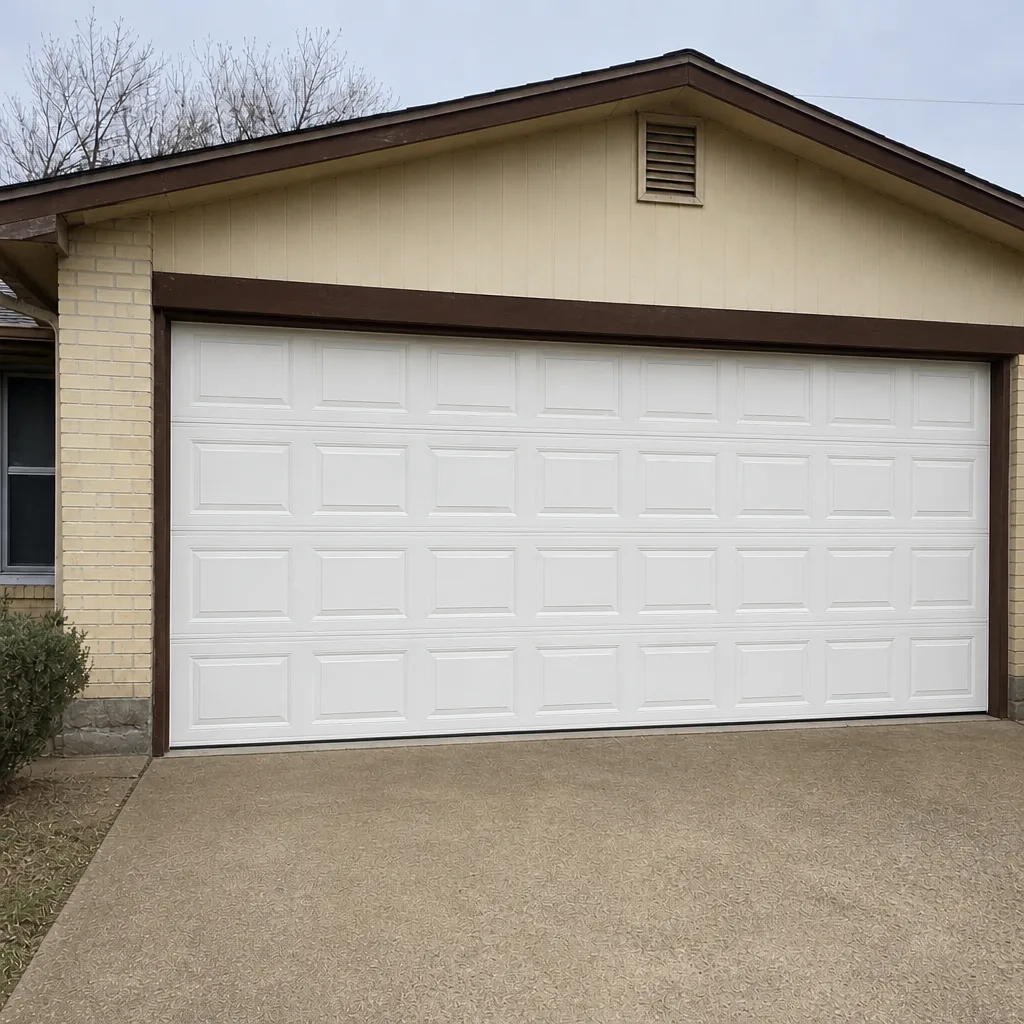 After
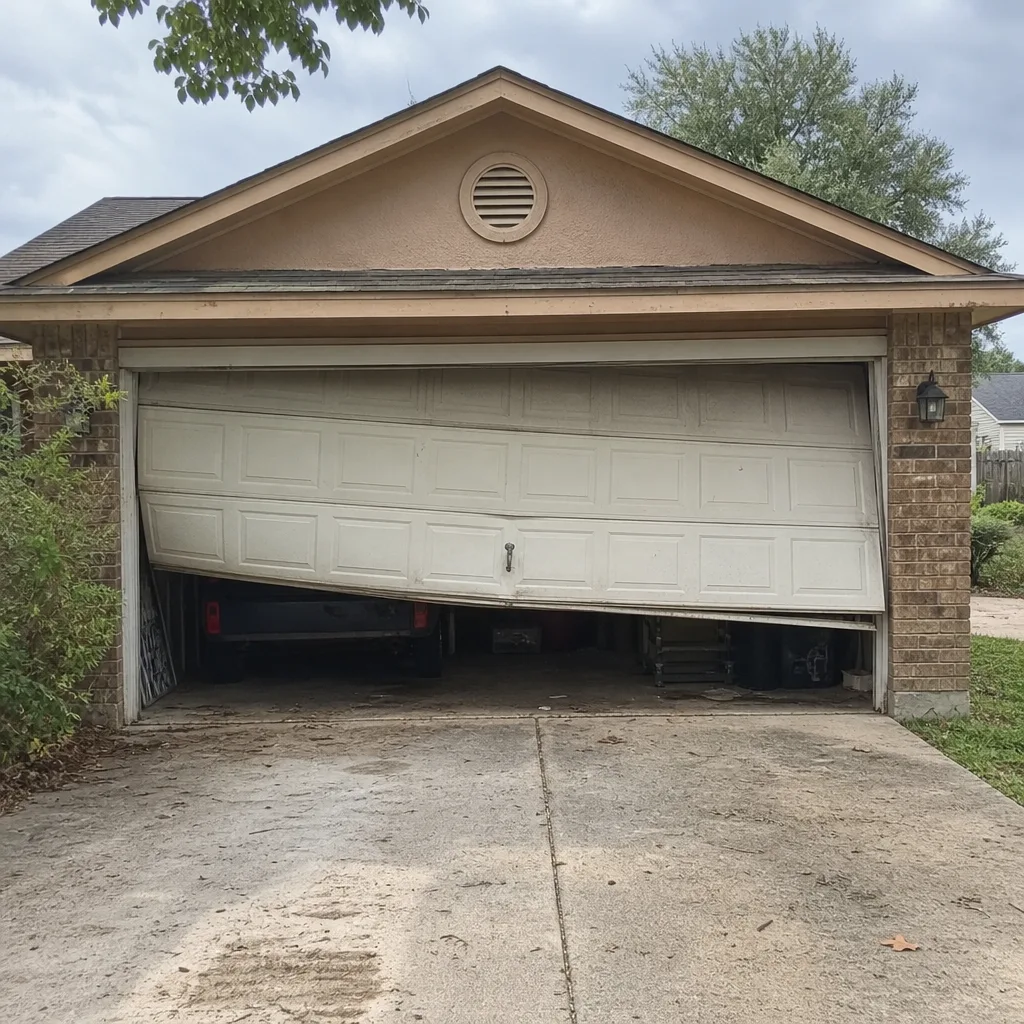 Before
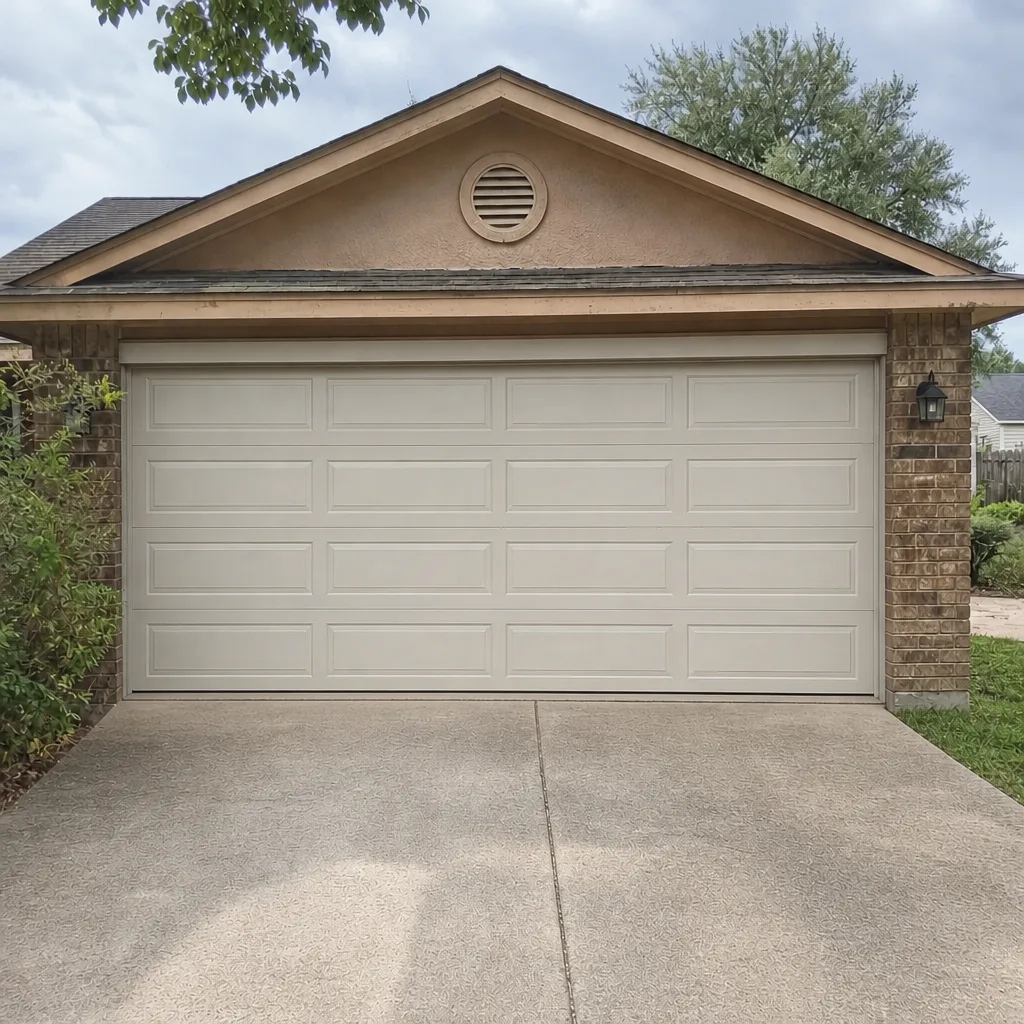 After
When to Call a Professional
Call a professional for anything involving springs, cables, or the internal tension system: a visible spring gap, a door that slams down after the halfway balance test, a broken spring, slack or frayed cables, or a loud snap you can’t find. Call also if a door has a bent track, a panel is separated, or the door won’t move and you can’t see why. On the opener side, a motor that won’t respond, a logic-board fault, or a motor that strains and reverses without an obstruction is a professional diagnosis. And if you’re not sure what’s wrong, call anyway; a technician can tell you quickly whether it’s a fix or a replacement. Archer Garage Door Repair offers free estimates in Killeen. Call (833) 719-3738. We answer 24/7.
Frequently Asked Questions
Once a year is the right baseline for a door here, with a monthly self-check and quarterly lubrication in between. Killeen’s heat and temperature swings are harder on springs and weatherstripping than a mild climate, so annual inspections catch wear earlier. If the door cycles several times a day, check it more often. A free estimate is worth having in hand before a warn part turns into a breakdown. Call (833) 719-3738.
Yes, and you should, with one limit: keep your hands off the springs and cables. Disconnect the opener, lift the door to about halfway by hand, and let go. If the door holds roughly where you let go, the springs are balanced. If it drops, the springs are losing tension and need a professional inspection. Call (833) 719-3738 for a free estimate.
Silicone spray or white lithium grease, applied to hinges, roller shafts, and springs in a light coat. Standard WD-40 breaks down fast in Texas heat and attracts dust on metal tracks. Get the label right before you spray, and ask a technician if you’re not sure. Call (833) 719-3738. We answer 24/7.
An uneven lift almost always points to spring tension problems, a bent track, or a failing roller on one side. On a torsion spring system, an uneven lift is often the first sign the spring is losing tension. Don’t keep cycling the door; it strains the opener. Get it checked before it fails. Call (833) 719-3738 for a free estimate.
Replace it when it feels hard and stiff, when there’s visible daylight under the door, when it’s torn, or when water and pests are getting in after rain. Killeen’s swing between cold January nights and hot August afternoons wears rubber seals out faster than a mild climate. Call (833) 719-3738 for a free estimate.
Yes, and it’s the better option. Mechanical door problems and opener electronics are usually related, and a technician who can diagnose both in one visit saves a second call and a second fee. Archer Garage Door Repair handles garage door repair, opener repair, and installation, and we work on 8 major brands. Call (833) 719-3738 for a free estimate.
The Bottom Line
Garage door maintenance in Killeen comes down to three habits: ten minutes a month watching for the signs (spring gaps, uneven lift, grinding notes, worn seals), a quarterly lubrication pass with silicone or white lithium rather than WD-40, and an annual hardware, torque, and balance inspection. Add a small service log in a garage notebook, and you have a system that catches warn parts before they fail. The spring that snaps and the opener that dies are almost always preceded by weeks of warning signs. If you see one, don’t wait. Archer Garage Door Repair is the dedicated door specialist, a single-trade company that works on your brand, and we offer free estimates in Killeen. Call (833) 719-3738. We answer 24/7. Fast dispatch from 7am to 7pm, Sunday through Friday.
Written by the team at Archer Garage Door Repair.