
Last updated November 15, 2026
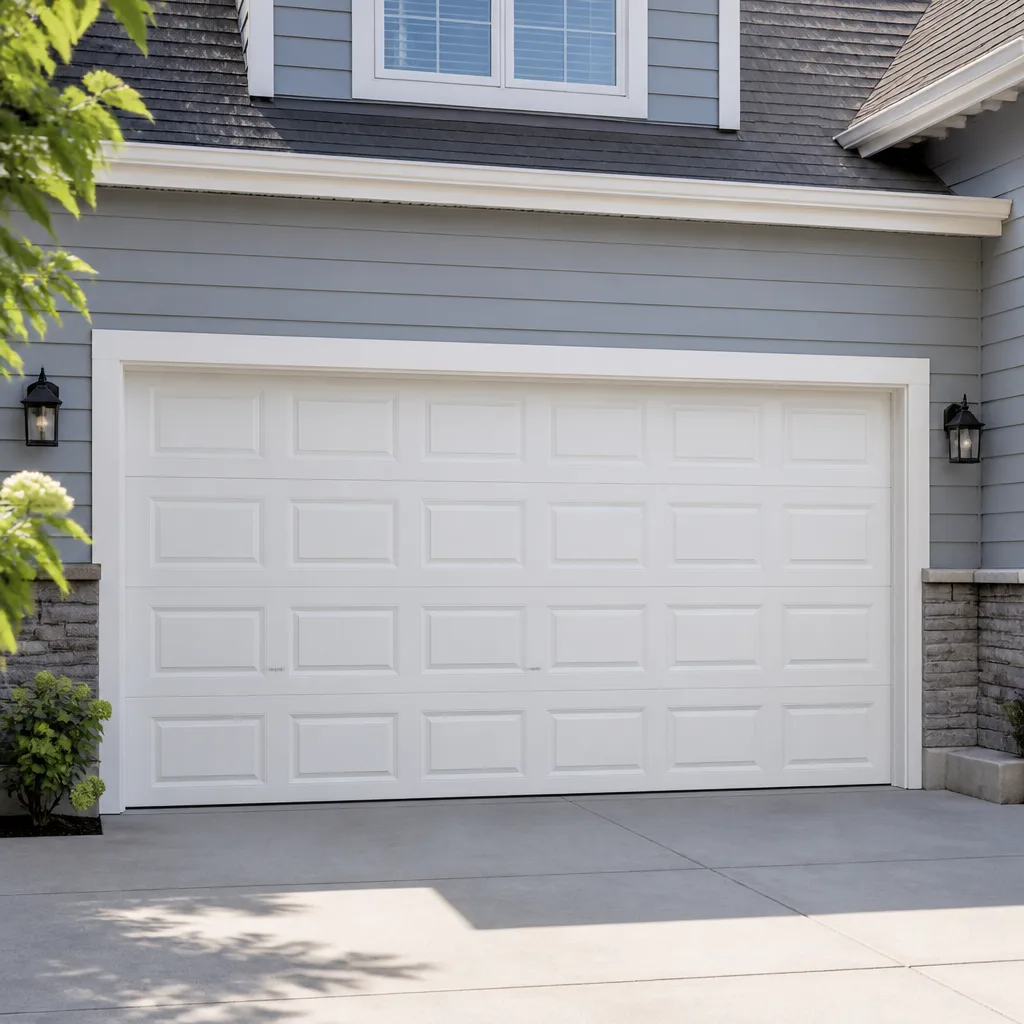 Raised-panel steel
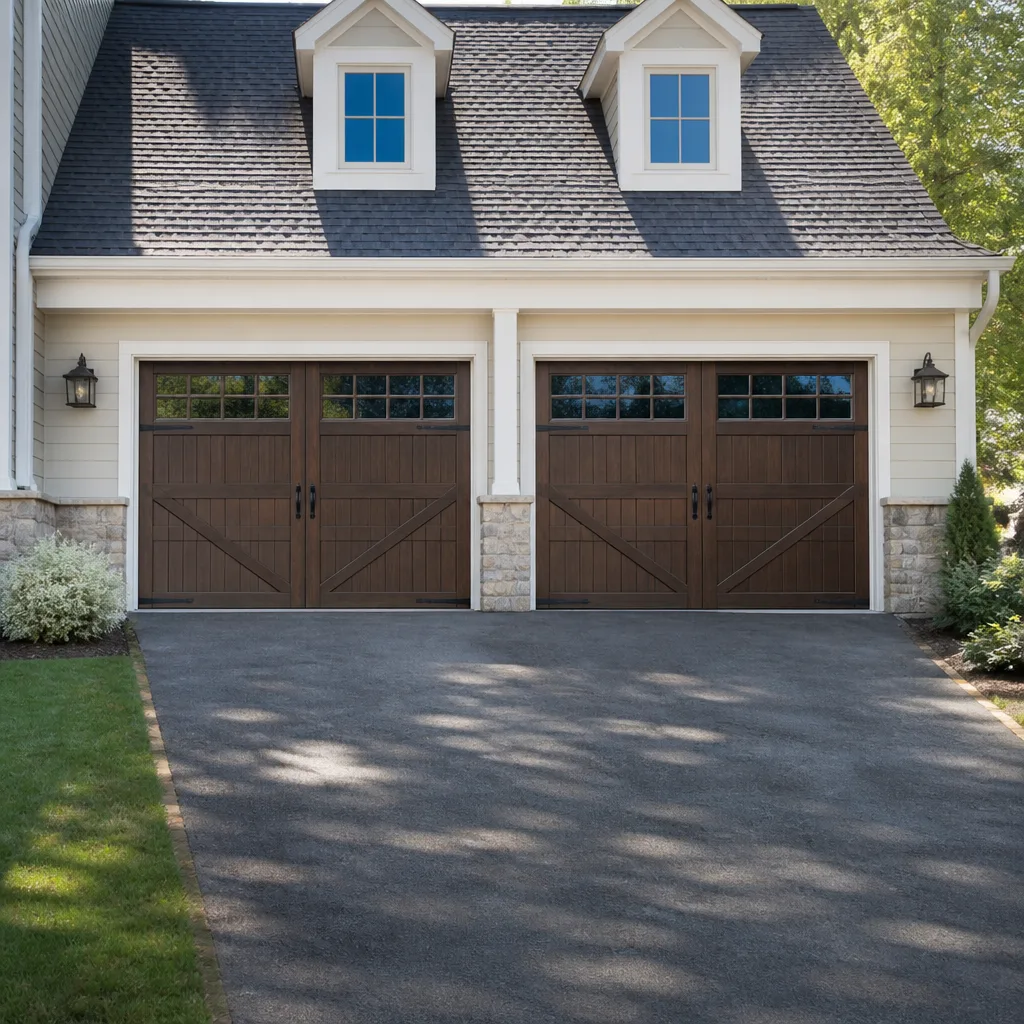 Carriage house
 Modern flush
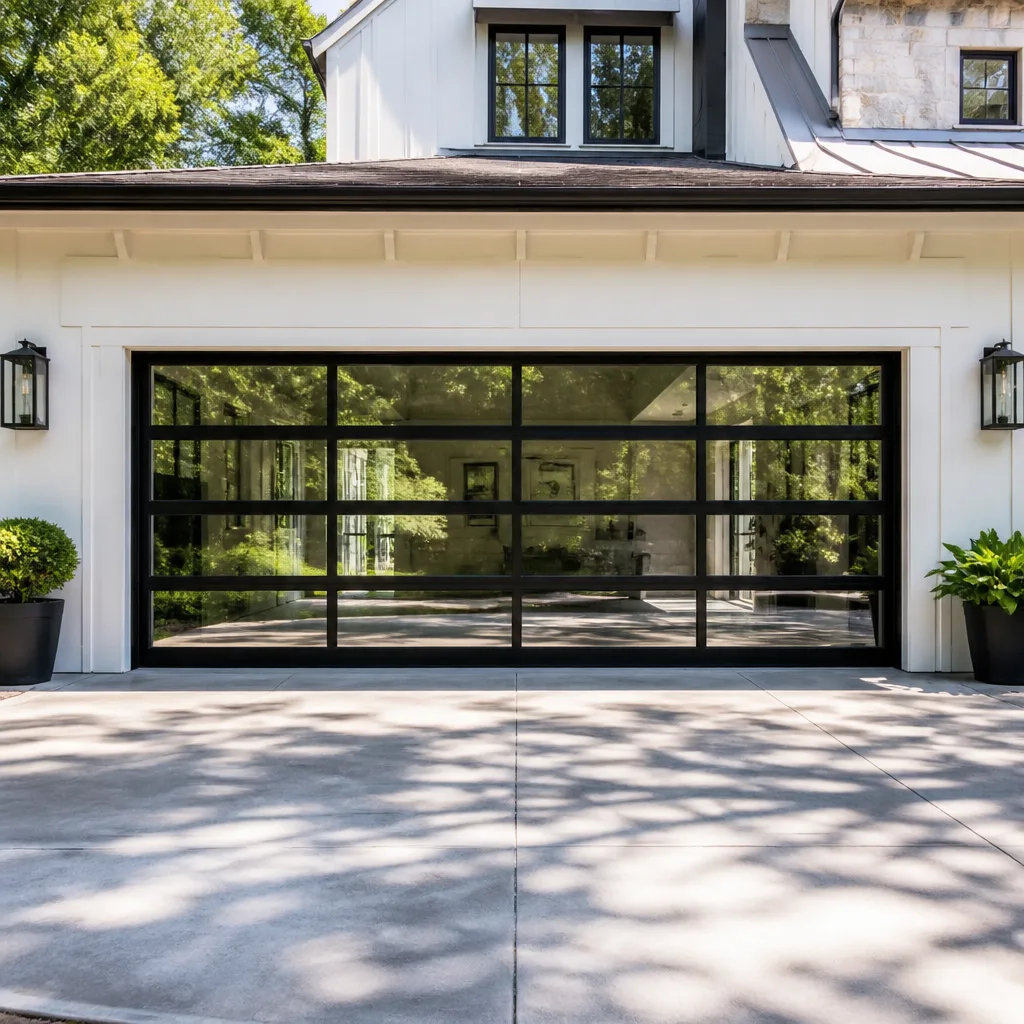 Full-view glass
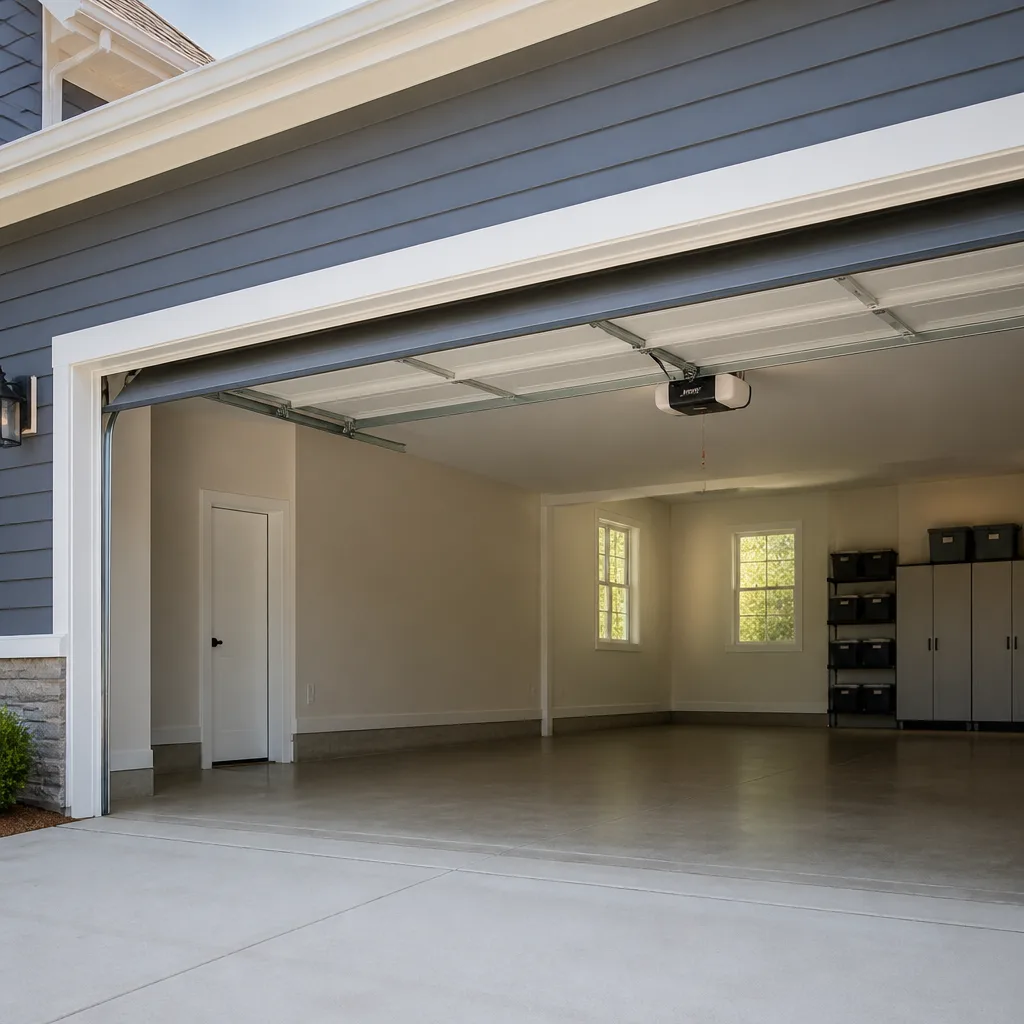 LiftMaster openers
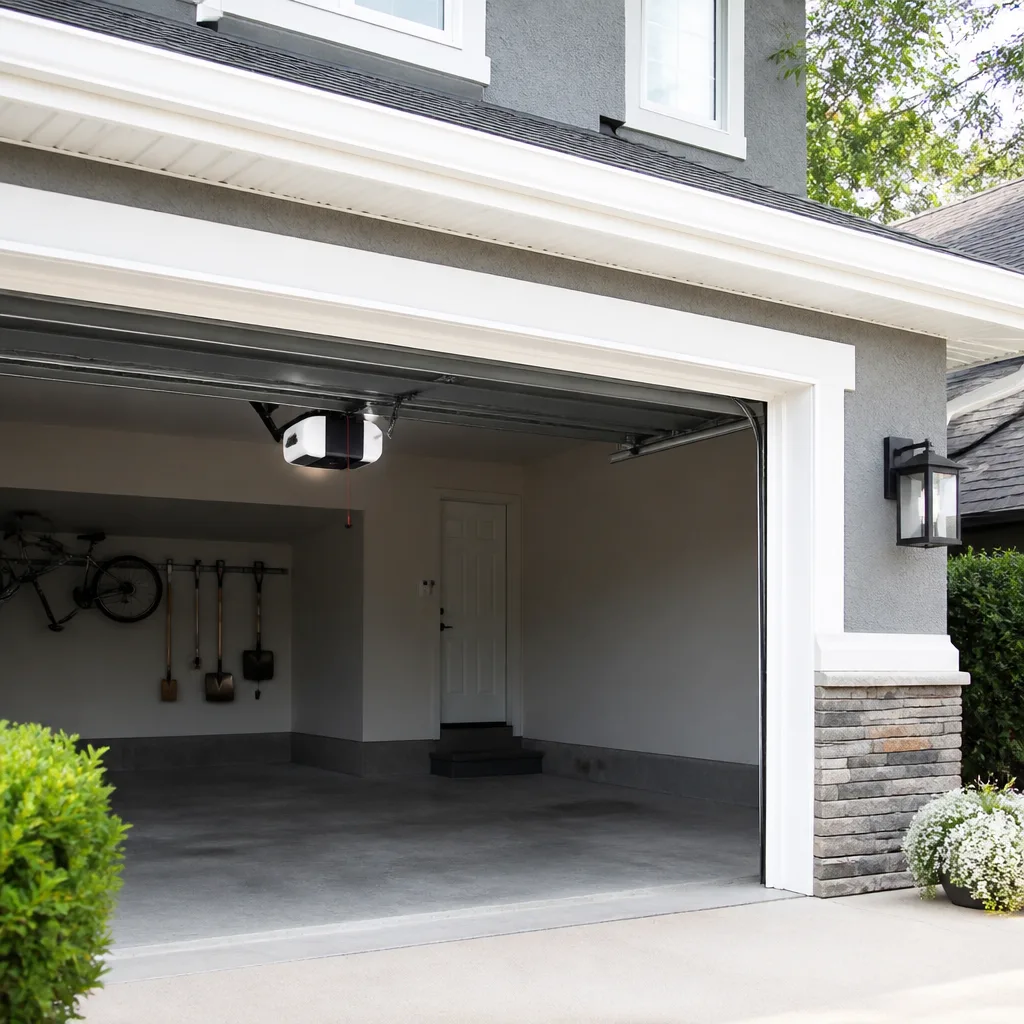 Chamberlain openers
Full 25-point door and opener safety check with every visit - springs, cables, rollers, tracks, and your LiftMaster or Chamberlain opener included
You get a price before we start. It does not change when the pro arrives.
Get your free estimateHow to Hire a Garage Door Contractor in Killeen: A Step-by-Step Guide
Search for garage door repair in Killeen and you’ll get a confusing mix of results: general contractors, appliance repair outfits, HVAC companies, and a few businesses that actually do garage doors and nothing else. Here’s the part most homeowners don’t realize until it’s too late. There’s no badge, license category, or state certification in Texas that separates a true garage door specialist from someone who watched a few videos and bought a ladder. The door looks the same from the driveway either way. What separates them shows up in the diagnosis, the parts they choose, and whether the fix holds. This guide teaches you how to tell the difference before the truck arrives, using the same questions and checks a specialist would want you to ask.
Quick Answer
Hire a garage door contractor in Killeen by confirming three things: that garage doors are their only trade, that they can name and diagnose the specific brand of door and opener you own, and that they give you a written, line-itemed estimate before any work starts. Ask for proof of liability insurance and workers’ compensation, check reviews for language that describes actual diagnostic work rather than just “fast service,” and never approve a same-day repair on a non-emergency without a written quote in hand. A specialist answers all of this without hesitation. A generalist deflects.
Styles & brands we work with
- Raised-panel steel
- Carriage house
- Modern flush
- Full-view glass
- LiftMaster openers
- Chamberlain openers
Table of Contents
- Why “Garage Door Specialist” and “Handyman” Are Not the Same Hire
- The Questions That Expose a Generalist Before You Book
- What Texas Requires vs. What You Should Actually Verify
- Why Brand-Specific Knowledge Changes the Repair
- How to Read a Quote: Line Items, Red Flags, and Pressure Tactics
- How to Verify Local Reputation Beyond Star Ratings
- What’s Different About Hiring in Killeen
- Springs, Cables, and the Safety Line You Should Never Cross
Why “Garage Door Specialist” and “Handyman” Are Not the Same Hire
A garage door is a balanced mechanical system with tensioned springs, steel cables, a tracked counterweight, and an electronic drive unit that has to work in sync with all of it. Every one of those components has a specific failure pattern, and every one has a torque spec, a wire gauge, or a travel limit that matters. When a general contractor shows up, they’re applying generic mechanical intuition to a system they see a few times a year. When a specialist shows up, they’ve already seen your failure mode a few dozen times and know what usually caused it.
That gap shows up in predictable places. A handyman can swap a spring. A specialist knows whether the spring that failed was the wrong gauge for the door’s weight in the first place, which is why the last one broke early. A handyman can replace an opener. A specialist knows whether the new unit’s force settings match the door’s actual resistance or whether the old opener was masking a binding track that’s about to eat the new motor too.
In our experience working garage door repair in this area, the jobs that come to us as “second attempts” almost always share the same backstory: the first technician fixed the symptom without finding the cause. The door worked for a few weeks, then failed again. You paid twice. That’s the real cost of hiring a generalist, and it doesn’t show up on the first invoice.
Here’s the practical test. Ask any contractor you’re considering what percentage of their work is garage doors. If the answer isn’t close to all of it, you’re talking to someone for whom your door is a side job. Nothing wrong with that as a person. Everything wrong with it as your technician.
The Questions That Expose a Generalist Before You Book
You don’t need to be a garage door expert to interview one. You need five questions and a feel for how the person on the other end of the line answers them. A specialist answers quickly, specifically, and without needing to look anything up. A generalist hedges, changes the subject to price, or offers to “come take a look and see.”
- “What brand is my door and my opener?” Tell them what you know and see if they engage with it. A specialist wants to know because garage door opener repair diagnostics change completely between brands. LiftMaster’s MyQ logic boards have different failure patterns than a Genie chain drive. A generalist hears the question as trivia. A specialist hears it as the first clue.
- “What type of spring does my door use, and how do you determine that?” The right answer involves measuring the door’s weight and matching spring wire gauge and length to it. A generalist will name a spring type. A specialist will tell you how they confirm it.
- “Where do your parts come from?” Specialists source from garage-door-specific suppliers because the parts have to match the door’s engineered load. Off-the-shelf hardware from a big-box store fits the bolt hole but not the spec. Listen for whether the answer is specific or vague.
- “Can you give me a written estimate before work starts?” There’s only one acceptable answer: yes. Not “we can ballpark it,” not “we’ll figure it out when we’re there.” A written estimate, itemized, before a single tool comes out of the truck.
- “Are you insured, and can you send me a certificate?” A specialist has this ready. It’s not an insult to ask. It’s the standard.
One more, if you want to spot a parts-swapper: ask what they’d check first if the door opened fine but closed and reversed halfway. A specialist will run through safety sensor alignment, force settings, and track binding in a specific order. A generalist will guess.
What Texas Requires vs. What You Should Actually Verify
Texas does not license garage door contractors as a distinct trade, which surprises almost every homeowner who asks. There’s no state-issued garage door license number to look up, no continuing education requirement specific to the trade, and no state exam that separates a competent technician from a hobbyist. That’s not a reason to skip the check. It’s a reason to do more of it yourself.
What you can and should verify:
- General liability insurance. Ask for a certificate of insurance. If a door panel gets damaged, a window gets broken, or a car gets scratched in your driveway, this is what covers it. A contractor who can’t produce a certificate is asking you to take on that risk.
- Workers’ compensation coverage. This is the one homeowners skip and shouldn’t. If a technician is injured at your home and the company doesn’t carry workers’ comp, the injury can land on your homeowner’s policy. Ask directly. “Do you carry workers’ comp for your technicians?” is a reasonable question and a professional answers it without flinching.
- Written confirmation of both before the work date. A certificate emailed to you before the technician arrives is the standard. Not a promise, not “we’re fully covered, don’t worry” on the phone.
- A physical business address and a reachable phone line. A business that answers a call and can tell you where it operates is one you can hold accountable. Ours is Killeen, and we’ll tell you that on the first call.
What Texas does not give you is a registry to cross-check. So your verification is the certificate, the phone call, and the questions above. If any of that feels like too much to ask, that’s information too.
Why Brand-Specific Knowledge Changes the Repair
Garage door and opener brands are not interchangeable under the hood. A technician who doesn’t know the specific system in front of them is doing exploratory surgery on your door, and the bill reflects it. A technician who does knows the failure patterns before they open the housing.
Take a LiftMaster unit with MyQ integration. A technician unfamiliar with the MyQ logic board might chase a connectivity problem through the router, the app, the phone, and the Wi-Fi only to find the actual issue is a failing travel module or a wall control that’s sending an intermittent signal. That’s a two-hour visit that could have been a fifteen-minute diagnosis. Same with Chamberlain’s force settings. If a technician doesn’t understand how the force sensor reads door resistance, they may adjust it to compensate for a binding track and leave you with a door that mashes down on anything underneath it. The fix caused a new problem.
Brand knowledge also matters for parts sourcing. A Genie chain drive and a Clopay door have different component lineages, and substitutes don’t always play nice. Here at Archer Garage Door Repair, we work across eight major brands, including LiftMaster, Chamberlain, Genie, Clopay, Amarr, Wayne Dalton, Craftsman, and Raynor. That familiarity means a technician walks up to a Wayne Dalton or an Amarr door already knowing the track geometry and spring spec conventions for that system, and can flag the parts that tend to fail together.
The takeaway for you as a homeowner: tell the contractor your brand when you call, and listen for whether they respond with specifics or with a generic “we work on all brands.” The first is a specialist. The second is a shop that treats them all the same, and treats them all the same means treats them all generically.
How to Read a Quote: Line Items, Red Flags, and Pressure Tactics
A written estimate is the single most important document in the whole hiring process. It’s also the most revealing. A good quote tells you exactly what’s being replaced, what brand and spec the replacement part is, what labor is included, and what the total will be. A bad quote tells you “spring replacement: $X.”
Line items you should see on any repair quote:
- Part description with brand and specification (spring gauge and length, cable diameter, opener model number)
- Quantity of parts (one spring vs. a matched pair)
- Labor line, separate from parts
- Any additional hardware or fasteners required by the job
- Total job price, clearly stated as the price for the job described
- A statement that the price is fixed for the quoted scope
Red flags that should stop you mid-conversation:
- No written estimate offered. If they want to quote verbally and start working, walk. There’s no reason a legitimate contractor can’t write it down.
- Vague line items. “Labor and materials: $475” tells you nothing. If they can’t itemize, they can’t be held to a scope.
- Pressure to approve same-day on a non-emergency. A broken spring is urgent. A door that squeaks or a panel that’s scuffed is not. Any contractor who tells you a non-urgent job has to be done today is selling urgency, not service.
- A push to replace the whole door when a repair will do. Sometimes replacement is the right answer. Usually it isn’t. Ask why. A specialist gives you a real reason. A salesperson gives you a financing option.
- Price quoted before the door is even seen. A phone estimate for a spring is fine as a range. A firm quote without inspecting the door isn’t a quote, it’s a guess that turns into an invoice change.
And the question you should ask about every single quote: will this price change once you see the door? The acceptable answer is that the written estimate is the price for the work described, and any change in scope gets discussed with you before it happens. Not after.
How to Verify Local Reputation Beyond Star Ratings
Star ratings are the easiest thing a contractor can game and the laziest thing a homeowner can trust. Five stars across eighty reviews tells you that eighty people didn’t hate the experience. It doesn’t tell you whether the technician diagnosed their door correctly. You have to read what people actually wrote.
What to look for in review text:
- Specific diagnostic language. Reviews that say “found the actual issue, which was a bent track causing the opener to work harder” tell you something. Reviews that say “fast, friendly, fair price” could be about a pizza delivery.
- Repeat-visit mentions. If a reviewer says “second time we’ve used them,” that’s a signal. If a reviewer says “the first company couldn’t fix it, this one did,” that’s a stronger one.
- Brand mentions. Reviews that name their opener brand and say the technician knew the system are worth ten generic reviews.
- Parts-swapping complaints elsewhere. Read the negative reviews on competitors too. If the pattern is “fixed it, then broke again,” that’s a diagnostic problem, not a price problem.
- Response quality from the business. How a company responds to a critical review shows you their posture when something goes wrong. Defensive and dismissive? Keep looking.
Beyond reviews, check neighborhood and community channels. Killeen has the same kind of word-of-mouth networks every city has, and the names that come up repeatedly in local groups are usually the ones doing the work right. A single negative review on an otherwise consistent record means less than five glowing reviews with no diagnostic detail.
What’s Different About Hiring in Killeen
Killeen’s housing stock spans a wide range of garage door ages and brands, and that variety changes how you should evaluate a contractor. Older doors in established neighborhoods often have components that are due for replacement together rather than one at a time, and a technician who only quotes the broken part without flagging the related wear items is setting you up for a second visit in a few months. Newer construction tends to bring modern openers with smart-home integration, where brand familiarity matters more because the electronics have more failure modes.
Killeen’s summers are long and hot, and heat is hard on garage door components. Springs under tension in a garage that regularly hits triple digits lose tension faster, and opener motors work harder when the door’s tracks expand and shift with temperature swings. That’s not an emergency; it’s a pattern. A specialist in Killeen knows to check spring tension proactively during a repair visit rather than just replacing the part that already failed.
There’s also the practical matter of which contractors actually operate here. The Killeen market has a mix of local specialists, regional companies with wide service areas, and generalist outfits that list garage doors in a long menu of services. When you call, ask whether the technician dispatched to your door is someone whose full-time work is garage doors. That question alone filters most of the noise.
If you’re in a neighborhood with a lot of similar homes (and Killeen has quite a few), ask your neighbors who they used. Same model doors, same install era, same failure patterns. Word of mouth in a subdivision is often more accurate than a search result because it comes from a door identical to yours.
Springs, Cables, and the Safety Line You Should Never Cross
Torsion springs and extension springs are stored energy. A spring under tension can cause serious injury if it releases unexpectedly, and a steel cable under load can do the same. This is the single most important reason to hire a trained professional for anything involving springs or cables, and it’s the reason we don’t publish DIY instructions for spring work. Not because we’re guarding a secret. Because the failure mode is genuinely dangerous.
What you can do safely:
- Look at the springs above the door and note whether they look intact, stretched, or separated. Do not touch them. Do not try to adjust them.
- Check whether the door feels abnormally heavy when you lift it by hand with the opener disconnected (only do this if you’re physically able and the door is not visibly damaged).
- Listen for unusual noises: a bang from the garage usually means a spring has failed, not that the door went off track by itself.
- Never attempt to adjust, lubricate, or replace a torsion spring, cable, or the drums they wind on. That’s a job for a trained technician with the right winding bars and the knowledge to use them.
The same caution applies to the electrical side. If your opener is hardwired, has a failing logic board, or is showing signs of a short, that’s not a job for a homeowner with a screwdriver. Call a specialist. The cost of a proper diagnosis is nothing compared to the cost of a bad decision.
Common Mistakes to Avoid
- Hiring based on the lowest phone quote alone. A quote given before the door is inspected is a guess, and guesses change once the technician sees the actual problem. Compare written estimates on scope, not just total.
- Not asking about insurance before the appointment. Liability and workers’ comp coverage should be confirmed before anyone steps onto your property. Asking after the fact is too late, and asking before is a five-minute email.
- Accepting a same-day repair on a non-emergency. A door that’s slow, noisy, or slightly misaligned is not urgent. A door with a snapped spring is. Urgency is real when the problem is, and a sales tactic when it isn’t.
- Letting a contractor swap parts without explaining why. If a technician is replacing a part and can’t tell you what failure mode it addresses, you’re paying for exploratory labor. Ask questions. A specialist wants them.
- Choosing a generalist because the price looks better. The first-visit price can look lower than a specialist’s. The total across two visits rarely is. Factor in the possibility of a repeat repair.
- Skipping the review reading and just glancing at the stars. The review text tells you whether real diagnostic work happened or whether the tech swapped a part and left. Read the words.
- Not confirming the door brand and opener brand before booking. If the contractor shows up unaware they’re working on a Genie or a Clopay, you’re paying for their learning curve.
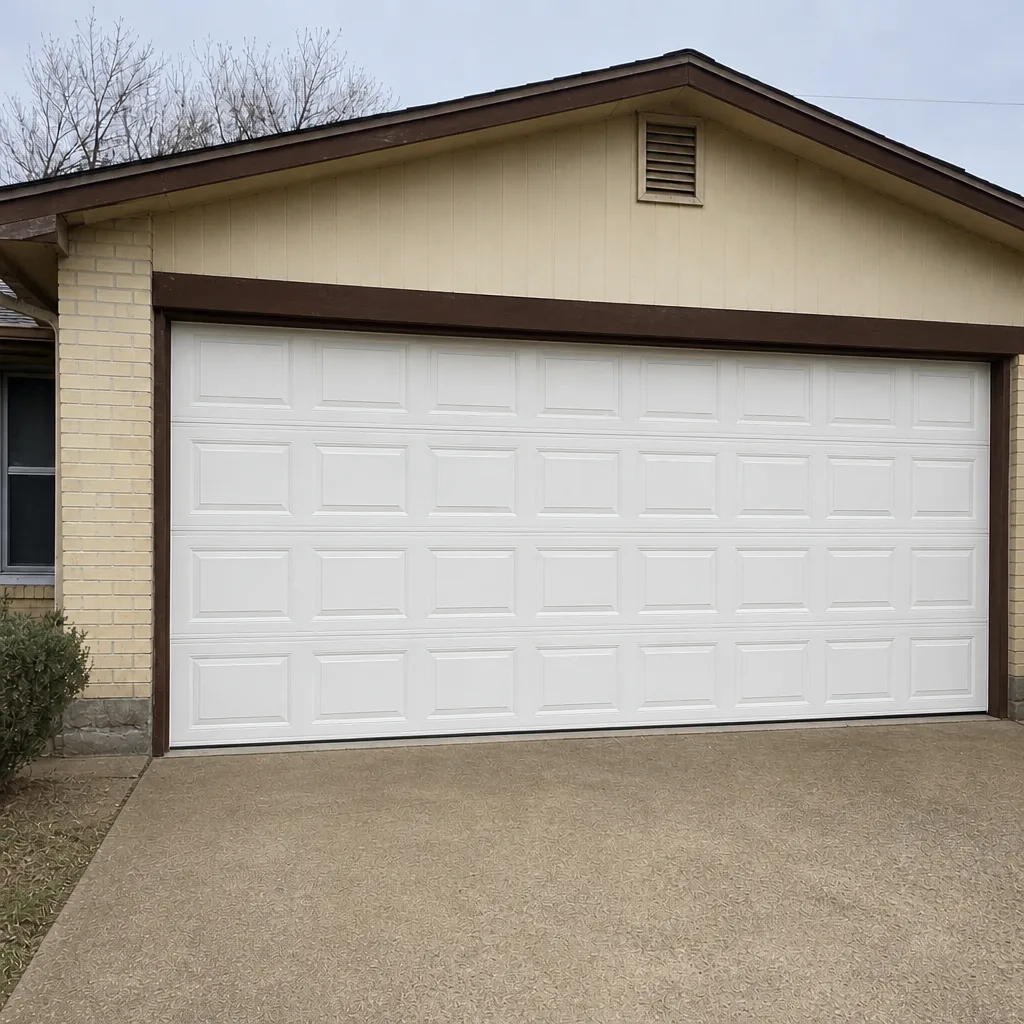
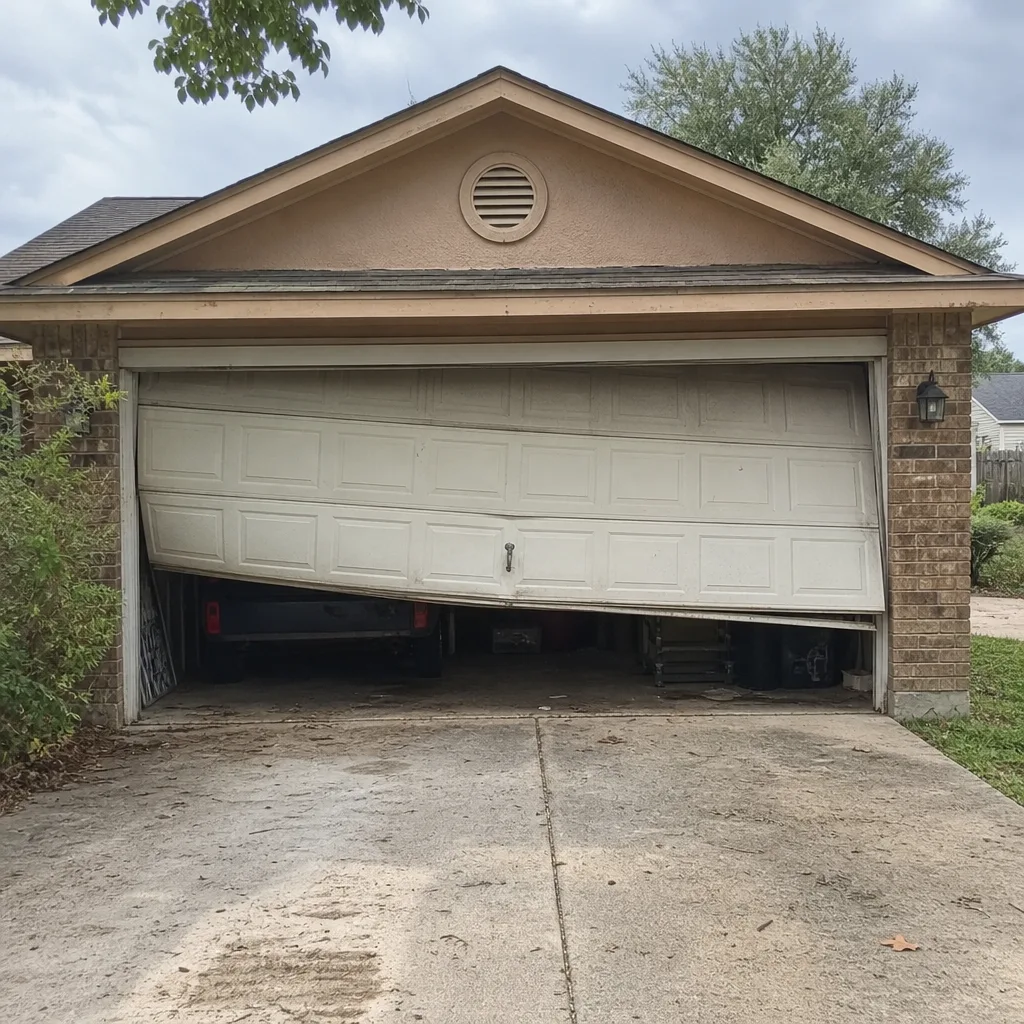
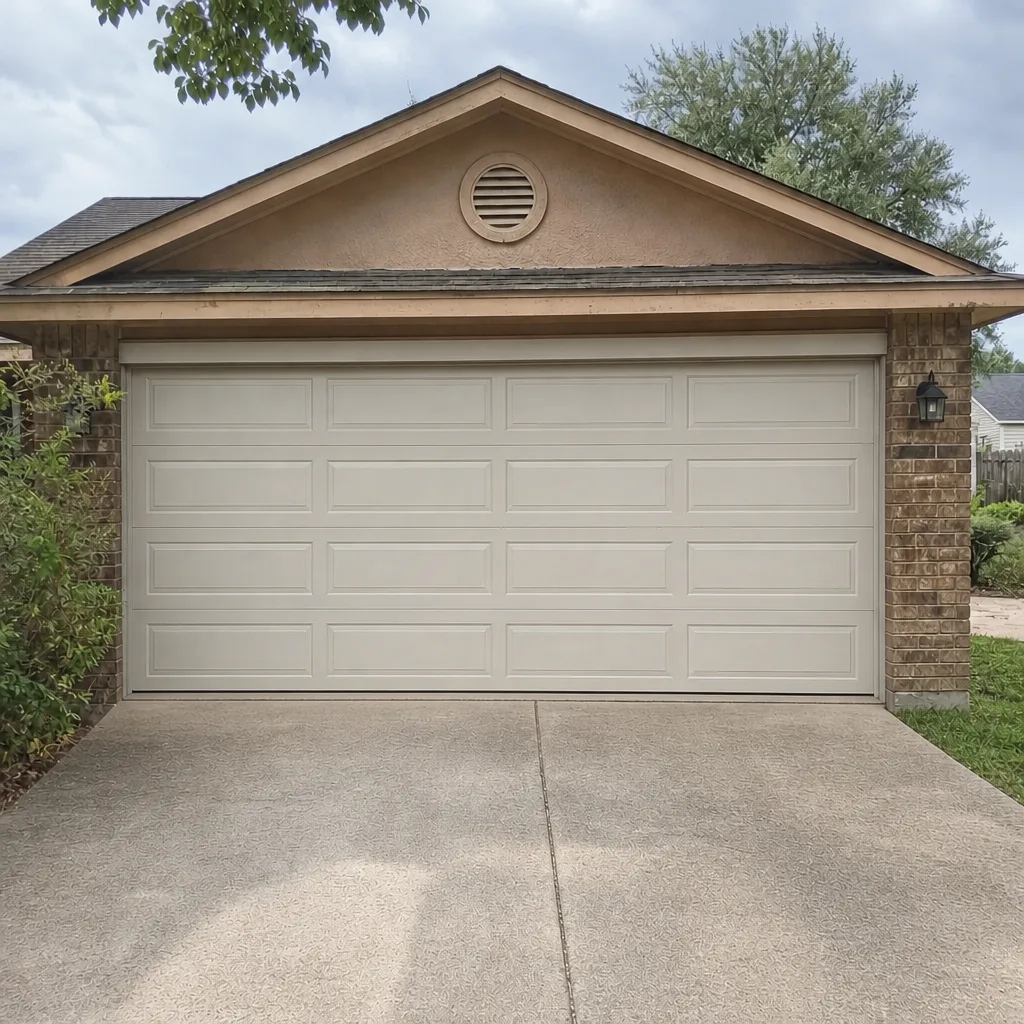
See the difference
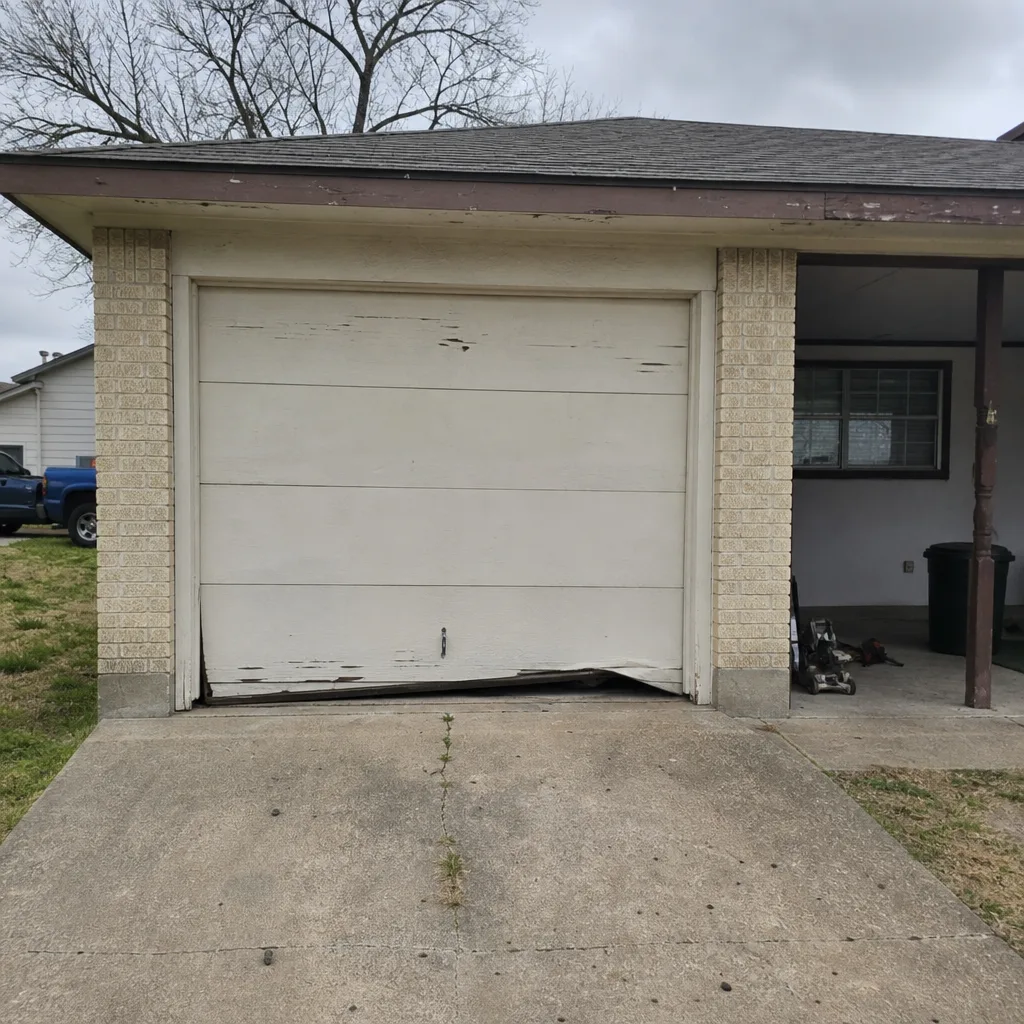 Before
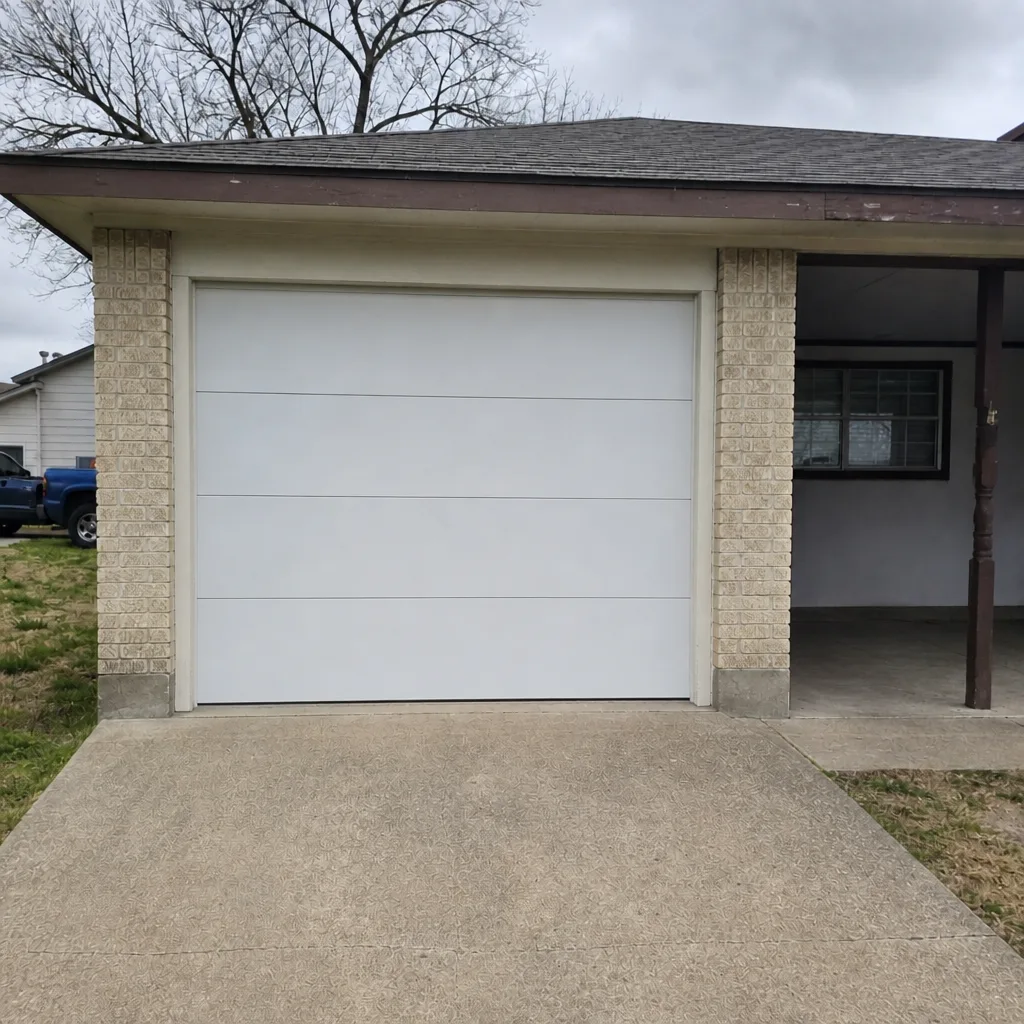 After
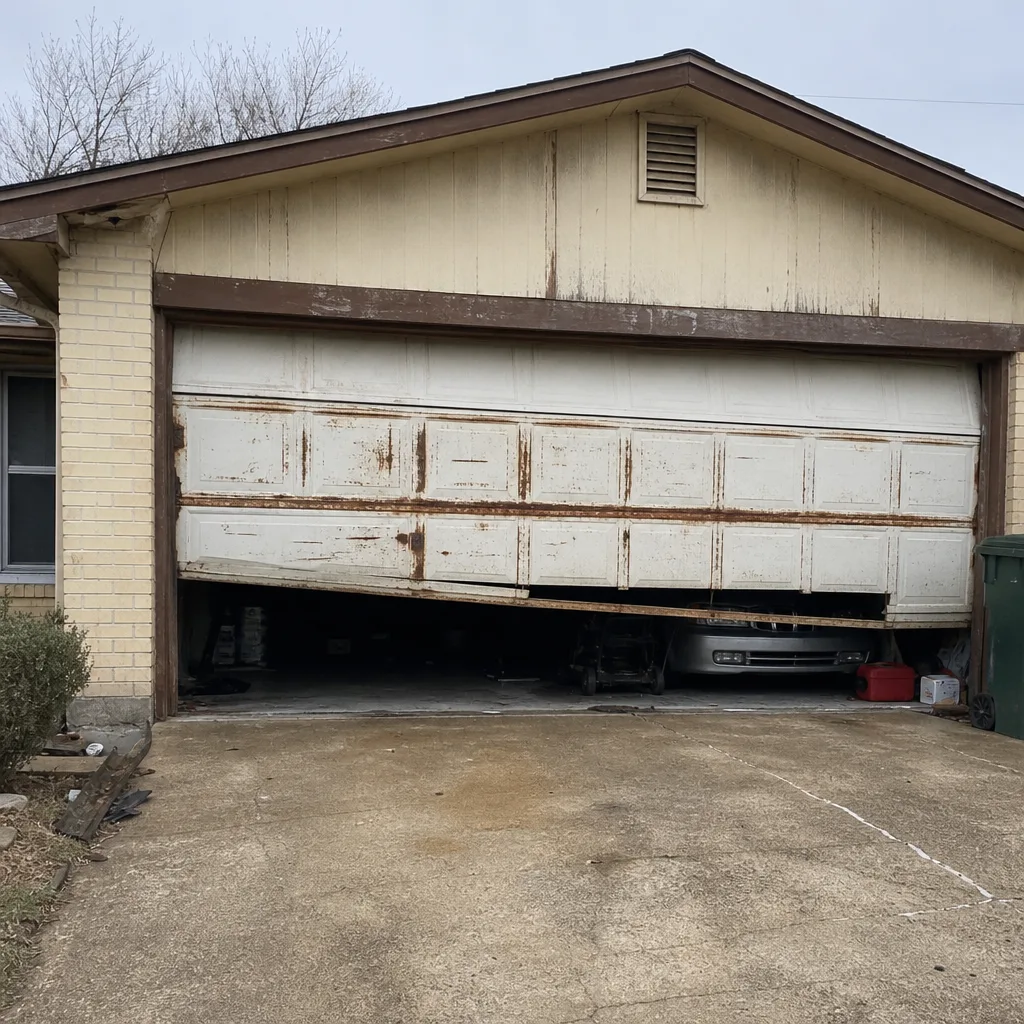 Before
 After
 Before
 After
When to Call a Professional
Any of these situations should bring a specialist to your door: a snapped torsion or extension spring, a frayed or kinked cable, a door that’s come off its track, a door that reverses before closing, an opener that runs but doesn’t lift the door, an opener that’s beeping or showing error codes, a remote or keypad that won’t pair, or a door that’s visibly sagging on one side. If a panel is bent or a track is crushed, that’s a specialist call too, because the geometry has to be corrected before the door can run safely.
Archer Garage Door Repair offers free estimates in Killeen, and we work on doors and openers as a single trade. That means one call covers the mechanical failure and the electronic one if they’re related. Call (833) 719-3738. We answer 24/7, with fast dispatch from 7am to 7pm, Sunday through Friday. The estimate is free, the price is agreed before any work starts, and the written quote is the price.
Frequently Asked Questions
Garage door repair in Killeen usually falls in a range that depends on the parts and labor involved. A single torsion spring replacement typically runs $180 to $340, and because springs are replaced in matched pairs, a pair is about twice that. Opener repair, cable replacement, and track adjustment each have their own typical range, and every job gets a written estimate before work begins. Call (833) 719-3738 for an exact quote. Estimates are free.
Often, yes. A door stuck open is one of the situations we prioritize, and same-day service is available for urgent repairs. Call (833) 719-3738. We answer 24/7, with fast dispatch from 7am to 7pm, Sunday through Friday. A call outside dispatch hours is booked into the next opening, Sunday through Friday, 7am to 7pm. The price is set per job by the written estimate, and we don’t charge a premium for urgent timing.
The technicians are trained on the brands they work with, and we can provide proof of liability insurance and workers’ compensation coverage before your appointment. Texas doesn’t license garage door contractors as a separate trade, so insurance verification and the questions in this guide are how you confirm a contractor is professional. Our technicians have up to 8 years of experience working on garage doors and openers.
No, not without your approval. The written estimate is the price for the work described in it. If the technician finds something on-site that changes the scope (a bent track behind a broken spring, for example), they’ll explain it and get your approval before doing anything. You never get an invoice bigger than the quote you agreed to.
We work across eight major brands: LiftMaster, Chamberlain, Genie, Clopay, Amarr, Wayne Dalton, Craftsman, and Raynor. That means a technician already knows the failure patterns and parts conventions for your system before arriving. Call (833) 719-3738 for an exact quote. Estimates are free.
Most cities require a permit for a full garage door replacement but not for routine repairs. For your specific address in Killeen, the safest answer is to ask the city’s building department, because permit rules can vary by scope and structure. We’ll tell you what we know about the work involved, and the written estimate always states clearly what’s covered.
The Bottom Line
The biggest hiring mistake in Killeen isn’t choosing the wrong price. It’s hiring a generalist who treats your garage door as one of twenty services. A specialist tells you which brand you have and what usually fails on it, explains the diagnosis in plain terms, and puts the scope in writing before work starts. Confirm insurance, read the reviews for diagnostic detail, ask the five questions, and never approve a same-day repair you didn’t ask for. If a contractor can’t answer those questions, thank them for their time and call the next name on your list. Garage doors are all we do here at Archer Garage Door Repair, and we’d rather earn your call than sell you a second visit.
Get a Free Estimate Today
If your door is broken, stuck, or just not acting right, we can help you sort out what’s actually wrong. Call Archer Garage Door Repair at (833) 719-3738 for a free estimate. We answer 24/7, with fast dispatch from 7am to 7pm, Sunday through Friday. Every price is agreed before work starts, and the written estimate is the price you pay. One call covers the door and the opener.
Written by the team at Archer Garage Door Repair.