
Last updated November 15, 2026
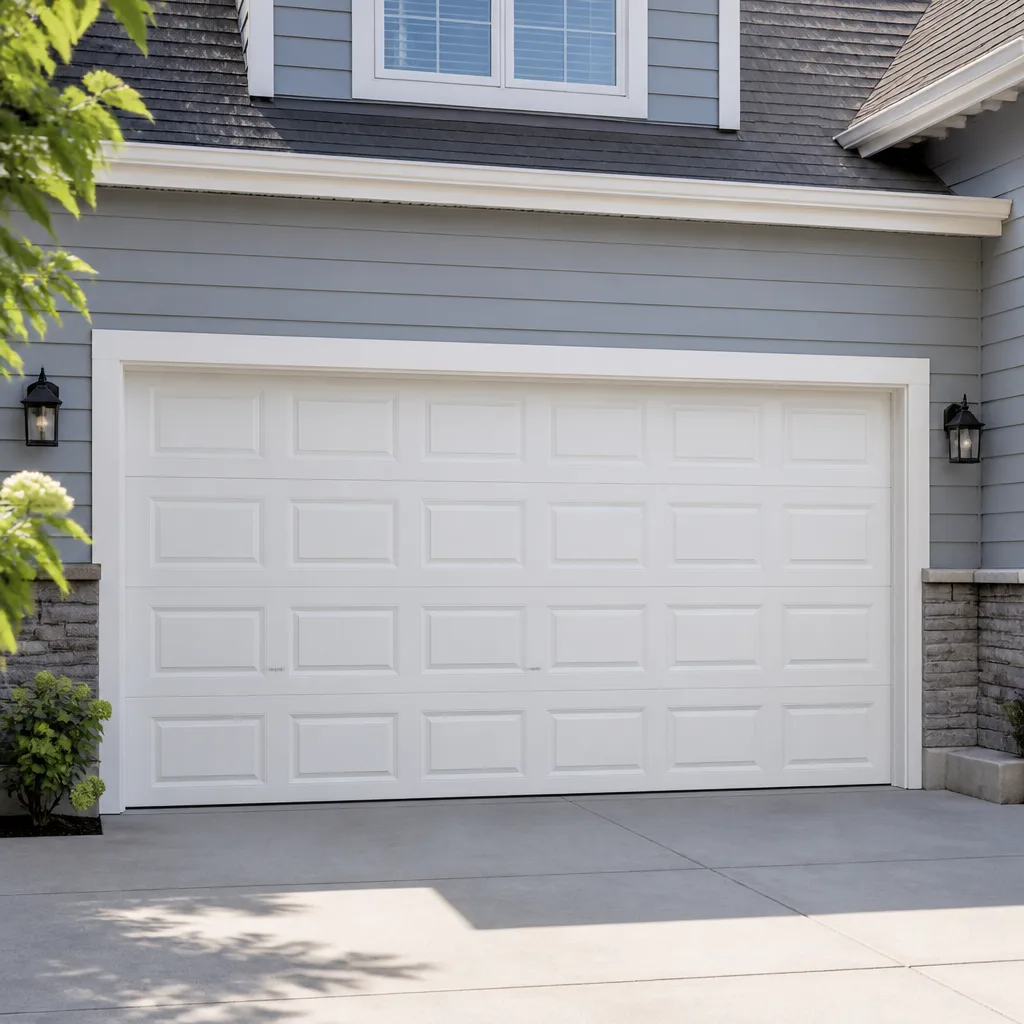 Raised-panel steel
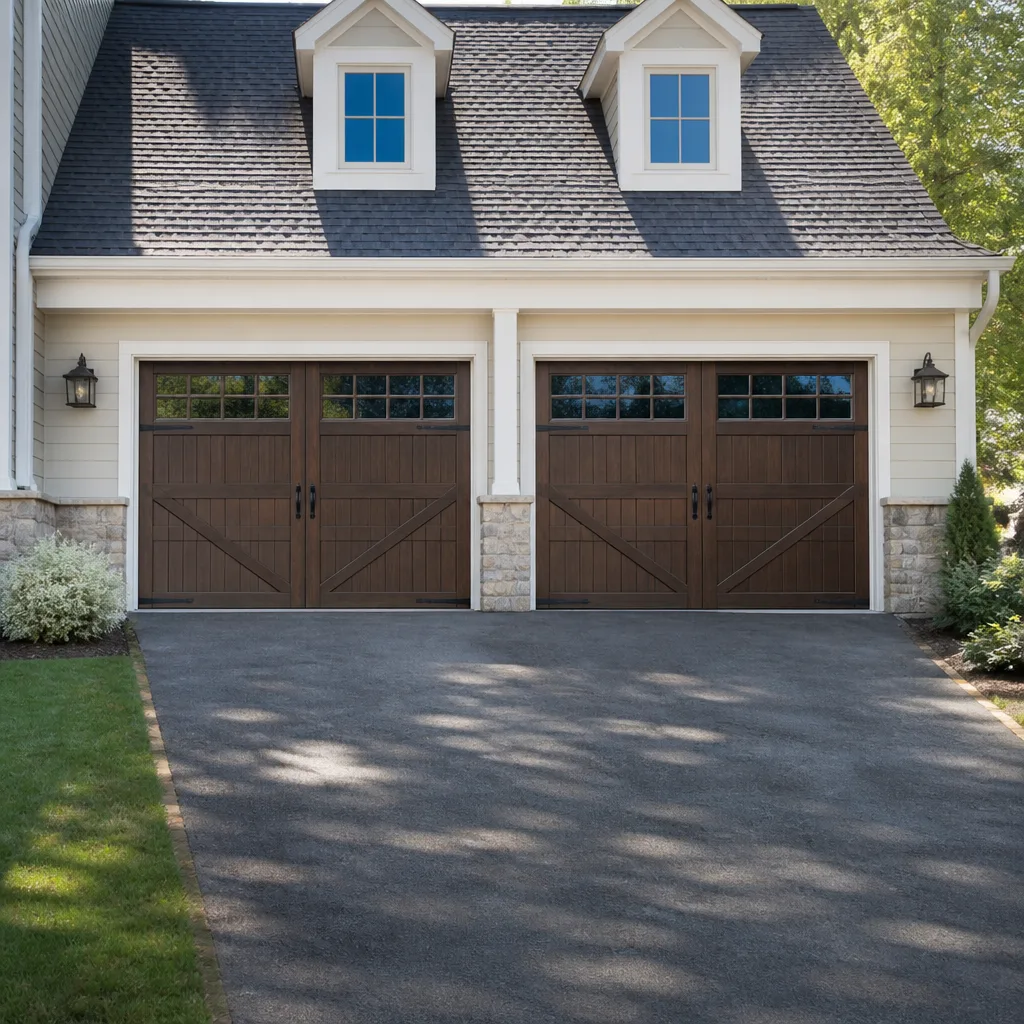 Carriage house
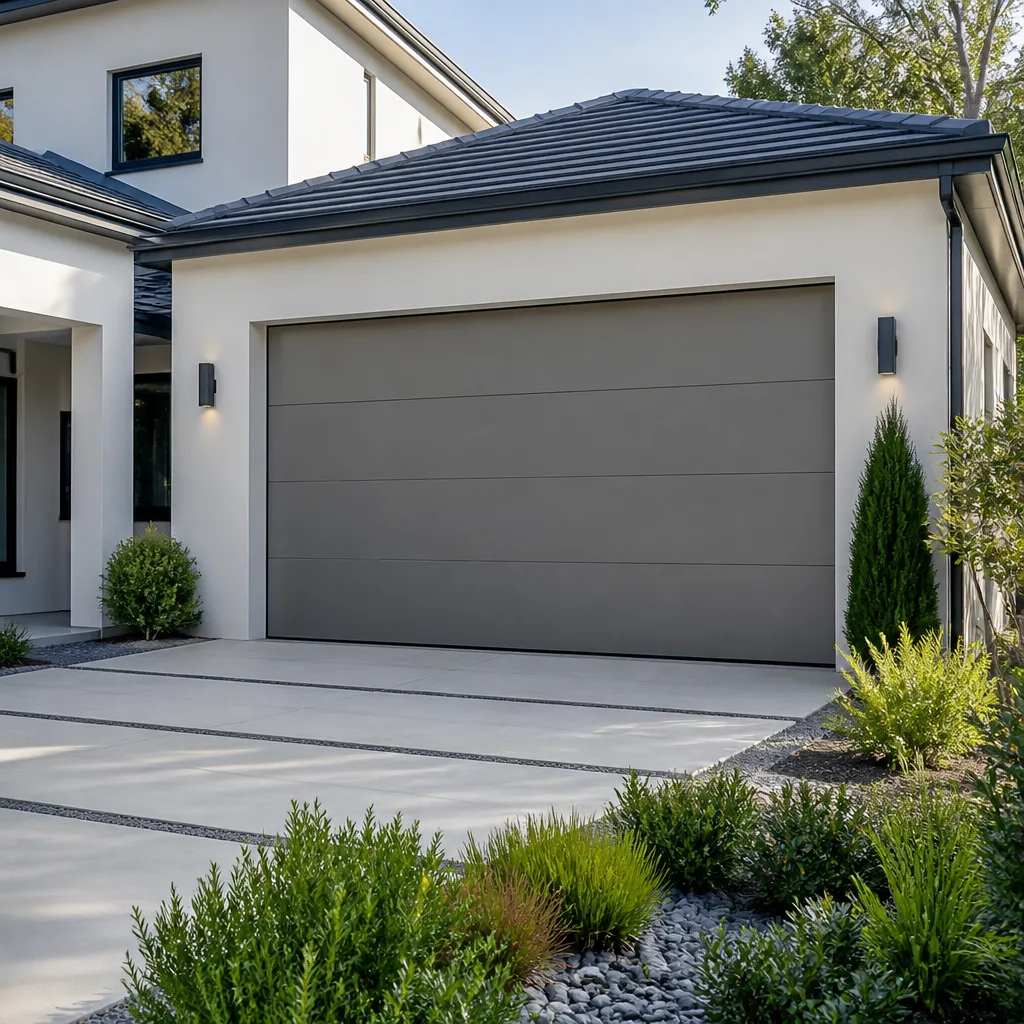 Modern flush
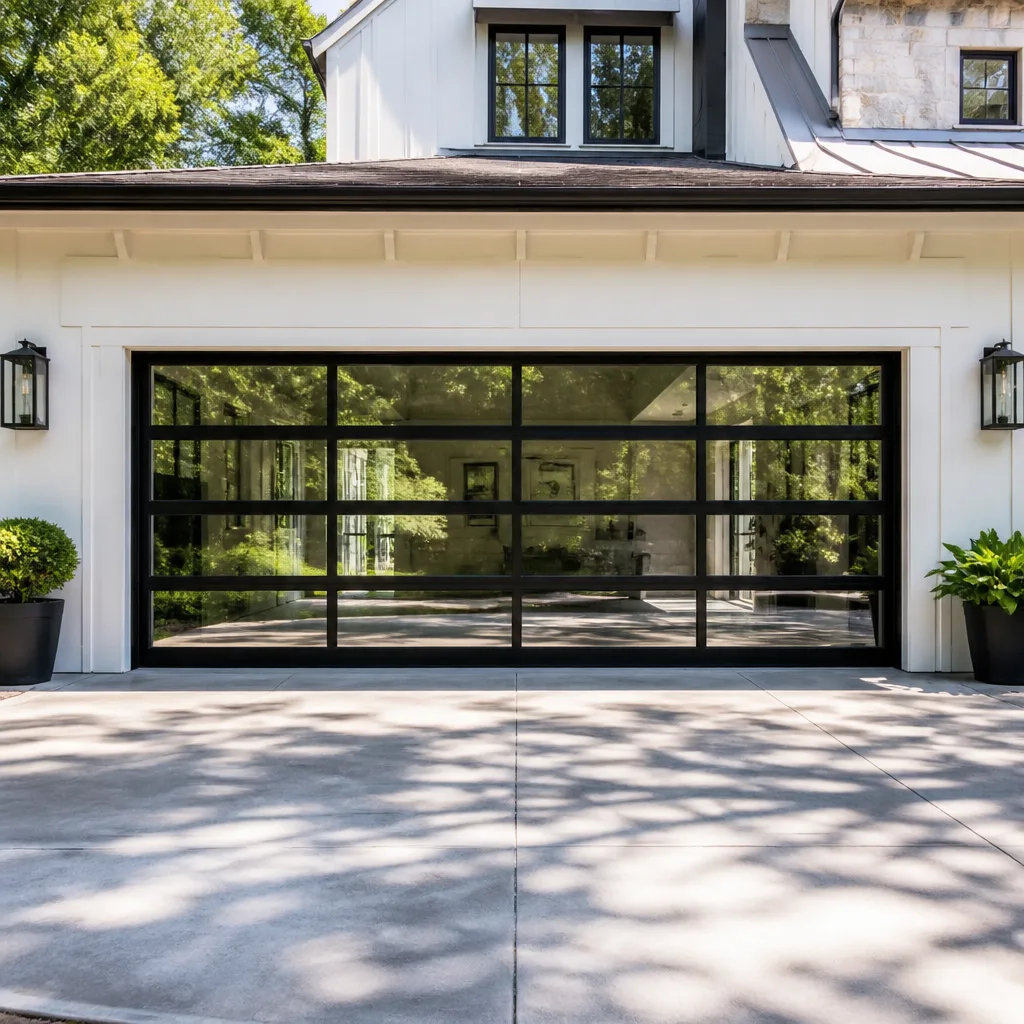 Full-view glass
 LiftMaster openers
 Chamberlain openers
Full 25-point door and opener safety check with every visit - springs, cables, rollers, tracks, and your LiftMaster or Chamberlain opener included
You get a price before we start. It does not change when the pro arrives.
Get your free estimateSeasonal Garage Door Care for Killeen: Year-Round Homeowner’s Guide
Most seasonal garage door advice you’ll find online was written for places with four distinct seasons: a frozen winter, a thaw, a mild summer, a slow cool-down. Killeen doesn’t work that way. We get a long stretch of 100°F-plus heat, a short but sharp cold season, and two transitional windows in between where the damage from the previous extreme quietly shows up. That mismatch matters, because homeowners here often follow northern checklists and miss the failures that actually happen in Central Texas. The February ice that stops traffic for a day or two can weld a bottom seal to the slab, and you won’t notice the tear until April. This guide walks through what your door and opener actually go through across a Killeen year, season by season, with the checks that catch problems before they strand your car.
Quick Answer
Garage door care in Killeen centers on two extremes: protecting springs, opener motors and panels through months of 100°F-plus heat, and catching the seal, track and balance damage left behind by short winter ice events. The most-missed task is a balance check after winter, because cold contraction throws off spring tension calibration in ways that don’t announce themselves until the opener starts straining.
Styles & brands we work with
- Raised-panel steel
- Carriage house
- Modern flush
- Full-view glass
- LiftMaster openers
- Chamberlain openers
Table of Contents
- Why Killeen’s Two-Season Climate Changes the Maintenance Calendar
- The Pre-Summer Checklist: Heat, Springs and UV
- What Killeen Ice Events Do to Bottom Seals and Tracks
- The Spring Task Most Homeowners Skip: The Post-Winter Balance Check
- Fall Transition: Lubrication Before the Temperature Swings
- Adjusting Travel Limits and Force Settings as the Door’s Weight Changes
- Humidity, Wood-Composite Panels and What It Means for Your Door
- A Month-by-Month Rhythm for Killeen Homeowners
Why Killeen’s Two-Season Climate Changes the Maintenance Calendar
Killeen sits in a part of Central Texas where summer isn’t a season so much as a long occupancy. From late spring into early fall, attic spaces and garages regularly climb well past the outdoor temperature, and the door on your house is absorbing radiant heat for hours every afternoon. Then winter arrives late, stays short, and occasionally delivers an ice event that melts within a day or two. The transitions between those two states are where garage door problems cluster, and they don’t line up with the spring-and-fall rhythm most national maintenance guides assume.
Here’s the practical consequence. National advice tells you to “winterize” in October and “spring clean” in March. In Killeen, October is often still hot enough that cold-weather prep is premature, and March is genuinely when winter damage becomes visible. The useful maintenance calendar here is built around summer heat endurance and post-winter recovery, not around snow.
Three stresses define a Killeen garage door year:
- Thermal load on the springs and opener. Torsion springs and opener motors both work harder when the garage is hot, and this is the long, cumulative stress of the year.
- UV exposure on the door face. A south- or west-facing door takes direct sun for much of the day, and panel finishes and seals age faster on that side.
- Short cold snaps and ice events. These are brief, but they leave bottom seals stuck to concrete and tracks slightly out of alignment, and those effects surface weeks later.
If you take one thing from this section, make it this: your heaviest maintenance moment in Killeen is the spring transition, and your most important preventive moment is early summer. Everything else in this guide hangs off those two points. Our Archer Garage Door Repair team works on doors across Killeen and the surrounding area, and the failure patterns we see track those two seasons closely.
The Pre-Summer Checklist: Heat, Springs and UV
The weeks before the first sustained 100°F stretch are the best window you’ll get all year to prepare a garage door in Killeen. Once the heat settles in, every adjustment and every inspection is happening on a door that’s already under thermal stress. Get ahead of it.
How 100°F+ temperatures affect torsion spring tension
Torsion springs store energy by twisting steel. Heat changes how that steel behaves, and the effect is subtle but real: a spring that felt perfectly balanced in March can feel slightly different in August, and the opener absorbs the difference. That’s one reason an opener that’s been quiet all spring starts sounding labored in July. The spring itself isn’t failing, it’s working against a different thermal baseline.
Opener motor heat limits
Opener motors are rated for intermittent duty, not continuous running. In a garage that’s already hot, the motor has less thermal headroom before its internal protection kicks in. If your door has a stiff roller, a slightly misaligned track or a dragging seal, the motor works harder per cycle, and in a hot Killeen garage that margin disappears fast. A door that cycles cleanly in mild weather can start tripping the opener’s thermal cutoff in summer. That’s usually a sign of a mechanical drag somewhere in the door, not a failing motor.
UV degradation on door panels
The sun-facing side of a garage door takes a beating in this climate. Paint fades, steel panels can chalk, and on some door models the factory finish develops a dull, oxidized surface after enough summers. The practical response is simple: keep the door clean, and if the finish is clearly breaking down, address it before the substrate is exposed. On a wood-composite door, an unsealed or failing finish lets moisture in at the panel edges.
Your pre-summer checklist
- Run the door through a full open-and-close cycle and listen. Grinding, scraping or a motor that surges are all flags.
- Wipe down the door face and check the finish for fading, chalking or cracking, especially on the sun-facing side.
- Inspect the bottom seal for cracks, tears or a hard, brittle feel.
- Check the rollers for flat spots and the hinges for looseness.
- Confirm the opener’s safety reverse works by placing an object in the door’s path (see the caution below).
- Look at the springs. Rust streaks, a visible gap in a torsion spring, or a door that feels heavy when you lift it manually are reasons to stop and call.
Safety note on springs and the door mechanism
Torsion springs and the cables that run alongside them are under extreme tension at all times. A spring or cable that fails while you’re near it can cause serious injury. Do not attempt to adjust, lubricate the internal coils of, or remove a torsion spring or cable yourself. Visual inspection from a distance is fine; anything beyond that belongs to a trained technician. The same goes for the opener’s high-voltage wiring. Our technicians have up to 8 years of experience with these systems, and the reason that matters is that spring and cable work rewards care over speed.
If your pre-summer check turns up a problem you can’t explain, a garage door repair visit is a reasonable next step, and we’ll tell you plainly whether it’s a repair or a replace.
What Killeen Ice Events Do to Bottom Seals and Tracks
Killeen’s winter ice events are short, but they’re the sharpest mechanical stress your door sees all year. The specific failure is the bottom seal freezing to the concrete slab. When that happens, the opener pulls the door up and the seal stays stuck, and something has to give. Usually it’s the seal itself, which tears or stretches away from its retainer. Sometimes the door comes up slightly crooked and the track takes the load instead.
Why the damage hides until April
A torn or stretched seal doesn’t always announce itself. The door still opens and closes. The gap it leaves at the floor is small, and in mild spring weather you don’t notice the draft or the water intrusion. What you do notice, weeks later, is that the door has started to close unevenly or that the opener is working harder. That’s the ice event showing up late, through a track that got nudged or a seal that’s now dragging.
How to free a stuck door without wrecking the seal or opener
If you walk out after an ice event and the door won’t lift, don’t force it. The opener will keep pushing, and that’s how you turn a stuck seal into a stripped gear or a bent track.
- Disconnect the opener using the manual release cord so the door is free of motor force.
- Look at the floor line. If the seal is bonded to the concrete, the goal is to break that bond gently, not to lift the door.
- Work along the seal from one end, applying gentle, even pressure to separate it from the slab. Never pry with a metal tool against the seal or the door panel.
- Once the seal releases, open the door by hand a few inches and check that it moves freely before reconnecting the opener.
- After any ice event, inspect the seal for tears and the tracks for alignment before you trust the door to a normal cycle.
If the seal is already torn, the seal needs replacing, and a torn seal left in place will keep dragging. If the door feels off-balance or the track looks skewed, that’s the point to call. We can work with your insurer if an ice event caused damage to the door or the opener, and we’ll give you a written estimate before any work begins.
The Spring Task Most Homeowners Skip: The Post-Winter Balance Check
Here’s the check almost nobody does, and it’s the one that matters most in Killeen. After winter contraction has affected spring tension calibration, the door’s balance is off, and the opener is quietly compensating for it every single cycle. You won’t feel it. The opener will, and eventually it will tell you by failing early.
What “balance” actually means
A garage door is supposed to be balanced so that a person can lift it by hand with modest effort, and so that it stays put when you let go at roughly the halfway point. Springs do that work. When the springs are correctly calibrated, the opener only has to guide the door, not lift it. When they’re off, the opener becomes the lifting mechanism, and that’s a much shorter life for the motor and the drive system.
The manual balance test (with a safety boundary)
You can check balance yourself, carefully, without touching the springs:
- Disconnect the opener with the manual release so the door is free.
- Lift the door by hand to about waist height, then to halfway. It should feel manageable, not heavy.
- Let go at the halfway point. A balanced door stays roughly where you left it.
- If the door drops, races up, or feels heavy to lift, the springs are out of calibration.
- Reconnect the opener only after the door has been checked by a technician. Do not attempt to adjust the springs yourself.
If the door fails the balance test, stop using the opener and get it looked at. Continuing to cycle an unbalanced door in a Killeen summer is how a motor that had years left in it ends up needing replacement. This is also the check that catches a spring that’s weakening before it breaks, which is the difference between a repair and a stranded car.
Fall Transition: Lubrication Before the Temperature Swings
Fall in Killeen is a transitional window, not a hard season. The temperature swings between warm afternoons and cool mornings are what matter mechanically: grease that flowed freely in August thickens as the nights cool, and joints that were slick in summer start to bind. The fix is straightforward, and doing it before the swings begin saves you a winter of strained cycles.
What to lubricate, and what not to touch
Your goal is the moving parts that don’t carry stored energy: rollers, hinges, the track surface, and the springs’ exterior. Do not oil the inside of the torsion spring coils, and do not lubricate the cables. Those are load-bearing components where the wrong product can cause problems instead of solving them.
- Rollers: a few drops on the roller shafts and the hinge points where they pivot.
- Hinges: at each pivot point along the door’s joints.
- Track: a light wipe of lubricant along the inside surface where the rollers run, not a heavy coat that collects grit.
- Exterior of the springs: a light application to reduce corrosion, never inside the coils.
Use a garage-door-specific lubricant, not general household oil or grease. The right product stays where you put it through the temperature swings instead of stiffening or running off. Our technicians see a lot of doors that were lubricated once, years ago, with whatever was in the garage, and the result is usually a track full of sticky residue that attracts dust. Fall is the right time to correct that.
While you’re out there, check the weather seal around the door’s perimeter. A seal that’s cracked or pulling away lets in cold air and moisture, and a perimeter seal is cheap to replace compared to the panel damage moisture causes over time.
Adjusting Travel Limits and Force Settings as the Door’s Weight Changes
Your opener has two settings that most homeowners never touch: travel limits, which control how far the door opens and closes, and force settings, which control how much resistance the opener will push through before it reverses. Both are affected by seasonal weight changes, and both are worth understanding even if you never adjust them yourself.
Why door weight changes with the seasons
Wood-composite panels absorb and release moisture with the humidity, and in Killeen the humidity swings are real. A door that’s slightly heavier in a humid stretch needs more force to move, and an opener set with a thin margin will struggle or reverse unexpectedly. On a Clopay or Amarr door with wood-composite construction, this seasonal weight shift is more noticeable than on an all-steel door, though steel doors see it too through seal friction and roller drag.
How to know your settings need attention
Watch for these signs across the year:
- The door reverses partway down for no obvious reason.
- The door stops short of fully closed, leaving a gap at the floor.
- The opener strains or the motor sounds labored at the start of a cycle.
- The door doesn’t open fully, or stops short of the header.
Any of these can be a force setting that’s too tight, a travel limit that’s drifted, or a mechanical problem the opener is reacting to. The order matters: check the mechanical side first (rollers, track, seal) and only then consider the settings. Adjusting force on an opener that’s fighting a dragging seal just masks the real problem. On LiftMaster, Chamberlain and Genie units, the force and travel controls are accessible, and the manual for your model explains the procedure. If you’re not sure which adjustment you’re making, a garage door opener repair call is faster and safer than experimenting, because forcing a misadjusted opener can damage the drive gear.
Humidity, Wood-Composite Panels and What It Means for Your Door
Panel material drives how much seasonal attention your door needs. In Killeen’s humidity swings, the difference between an all-steel door and a wood-composite door shows up in weight, in finish life, and in how the door behaves through the year.
Steel and steel-backed panels
Steel panels are stable through humidity changes, but their finish takes the UV load. A steel door in direct Killeen sun will fade and eventually chalk, and the painted surface is the barrier that keeps moisture out of the panel edges. Keep it clean and touch up any chips before they spread. The mechanical side of a steel door is mostly about rollers, hinges and seals.
Wood-composite panels
Wood-composite doors look great and hold a finish well, but they respond to humidity the way wood always has: they take on moisture and release it. That means the door’s weight changes with the seasons, and a failing finish lets moisture in at the panel edges and the bottom rail. Check the finish at the bottom of the door after every winter, because that’s where moisture collects. A Wayne Dalton wood-composite door that’s kept sealed will hold up well; one that’s been allowed to take on water at the edges won’t.
What to check each season
- Bottom rail and panel edges for soft spots, bubbling or finish failure.
- Any area where the finish is chipped, especially on the sun-facing side.
- The perimeter seal for gaps that let moisture in behind the door.
- Whether the door’s weight feels different from the last time you checked balance.
If you’re choosing between repair and replacement on an aging door, the honest answer depends on how much of the door is still sound. We’ll tell you which one makes sense rather than pushing a replacement you don’t need. If you’re considering a new door, our Killeen installation work is shaped by what we see failing in the field, and that’s a useful input on what to buy.
A Month-by-Month Rhythm for Killeen Homeowners
If you’d rather have a simple rhythm than a mental model, here’s the version we’d give a Killeen homeowner. It’s built around the two transitions and the two extremes, not around a northern four-season calendar.
- Late winter (February into March): After any ice event, check the bottom seal and the track alignment. Watch for the door closing unevenly. This is the ice-damage detection window.
- Early spring (March into April): Run the manual balance test. This is the season for catching winter damage and spring calibration drift before the heat arrives.
- Late spring (May): Pre-summer checklist. Clean the door, check the seal, inspect rollers and hinges, confirm the safety reverse. This is your best window for adjustments before the heat.
- Summer (June through September): Watch for opener strain, thermal cutoff and unusual noise. Keep the door face clean and the finish intact. Don’t schedule heavy adjustments in the heat if you can avoid it.
- Fall (October into November): Lubricate rollers, hinges, tracks and spring exteriors with garage-door lubricant. Check the perimeter seal. This is the prep that carries you through the cold snaps.
- Early winter (December into January): A light inspection pass. Check the bottom seal, the balance and the opener’s reverse test. Note anything that changed since fall.
That rhythm covers most of what a Killeen door needs across a year. The rest is responding to what your door actually does, which is why the balance test and the post-ice inspection matter more than any fixed schedule. A garage door is a mechanical system that tells you when it’s struggling; the seasonal calendar just tells you when to listen.
Common Mistakes to Avoid
- Following a northern checklist. Winterizing in October and spring-cleaning in March misses the actual Killeen pattern, where October is still warm and March is when ice damage surfaces. Build your calendar around heat endurance and post-winter recovery instead.
- Forcing a door that’s frozen to the slab. The opener will keep pushing and turn a stuck seal into a bent track or a stripped gear. Disconnect the opener and free the seal gently.
- Skipping the post-winter balance check. This is the one most homeowners miss, and it’s the one that protects the opener. A door that fails the balance test needs spring calibration, not more force from the motor.
- Turning up the opener’s force setting to compensate for a mechanical problem. If the door is dragging on a bad roller or a torn seal, more force just masks it and shortens the opener’s life. Fix the drag first.
- Lubricating the wrong parts. Household oil and heavy grease attract grit and stiffen in the cold. Use garage-door-specific lubricant on rollers, hinges, tracks and spring exteriors, and never inside the torsion spring coils or on the cables.
- Ignoring a torn bottom seal until the rainy season. A torn seal lets water and pests in and drags on every cycle. Replace it when you find it, not when it causes a problem.
- Assuming a strained opener needs replacing. In a Killeen summer, a labored opener is often reacting to a mechanical drag or a heat-related force margin issue, not a dead motor. Diagnose before you replace.
See the difference
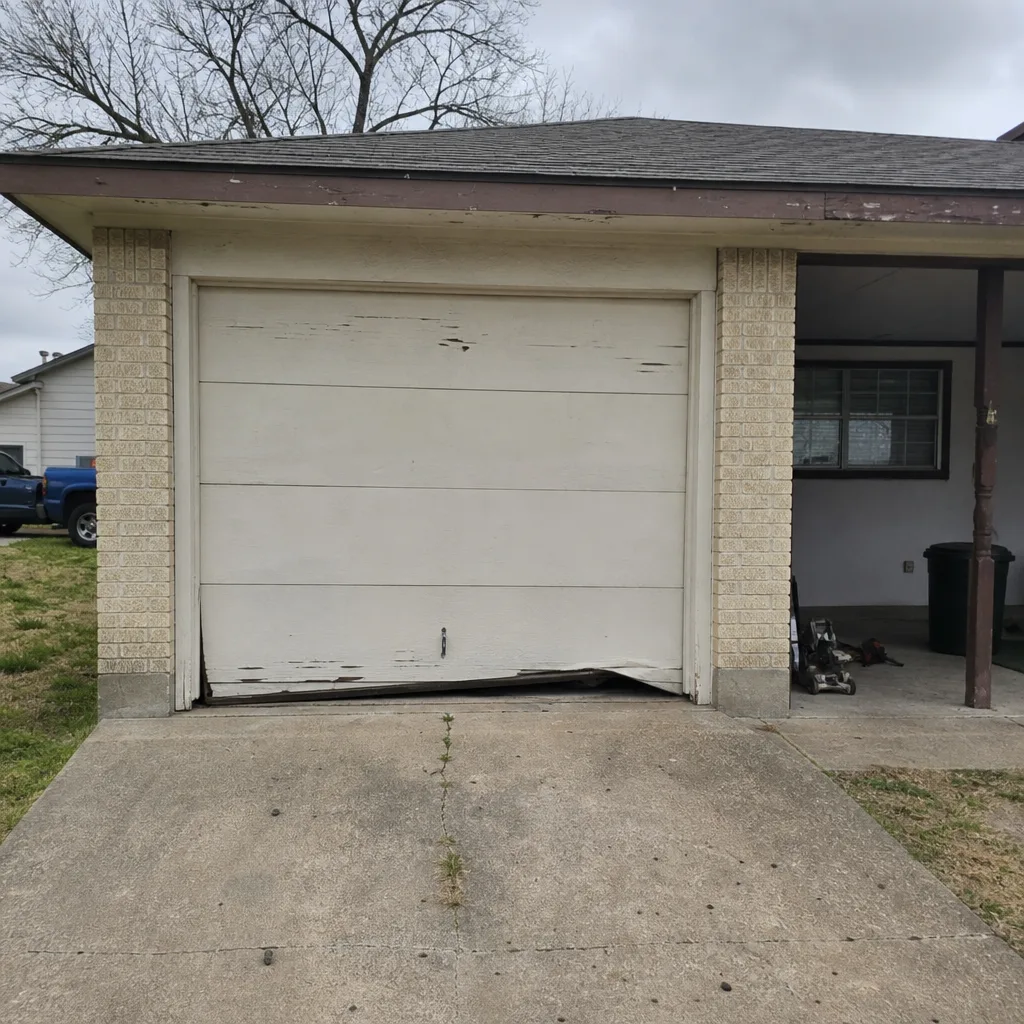 Before
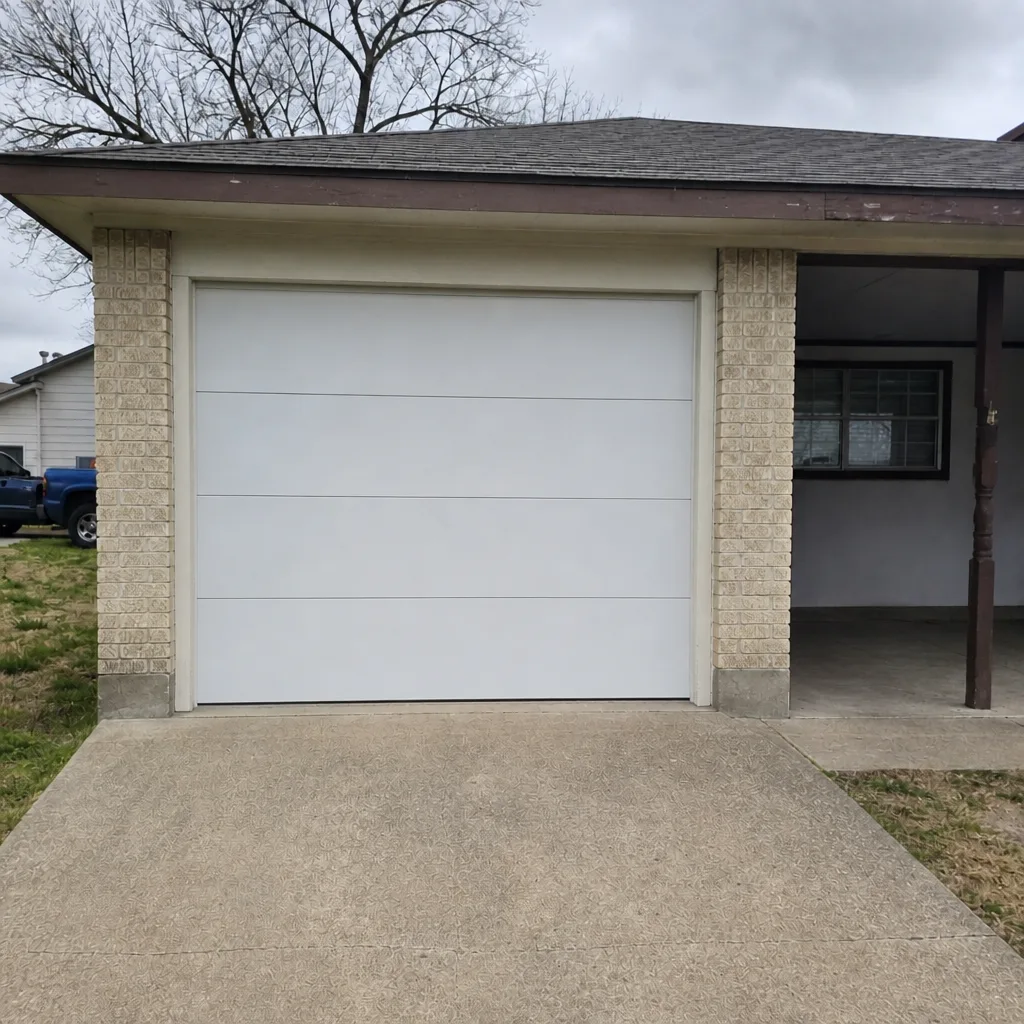 After
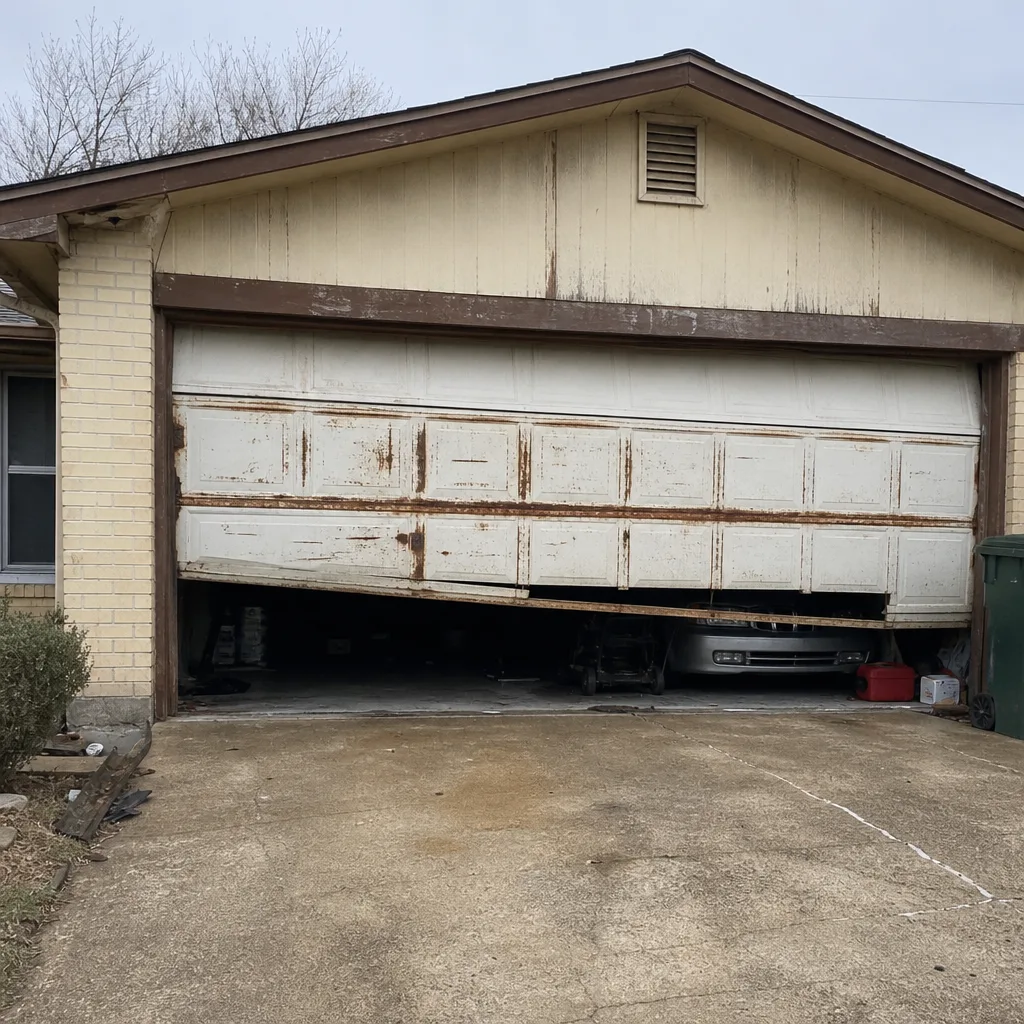 Before
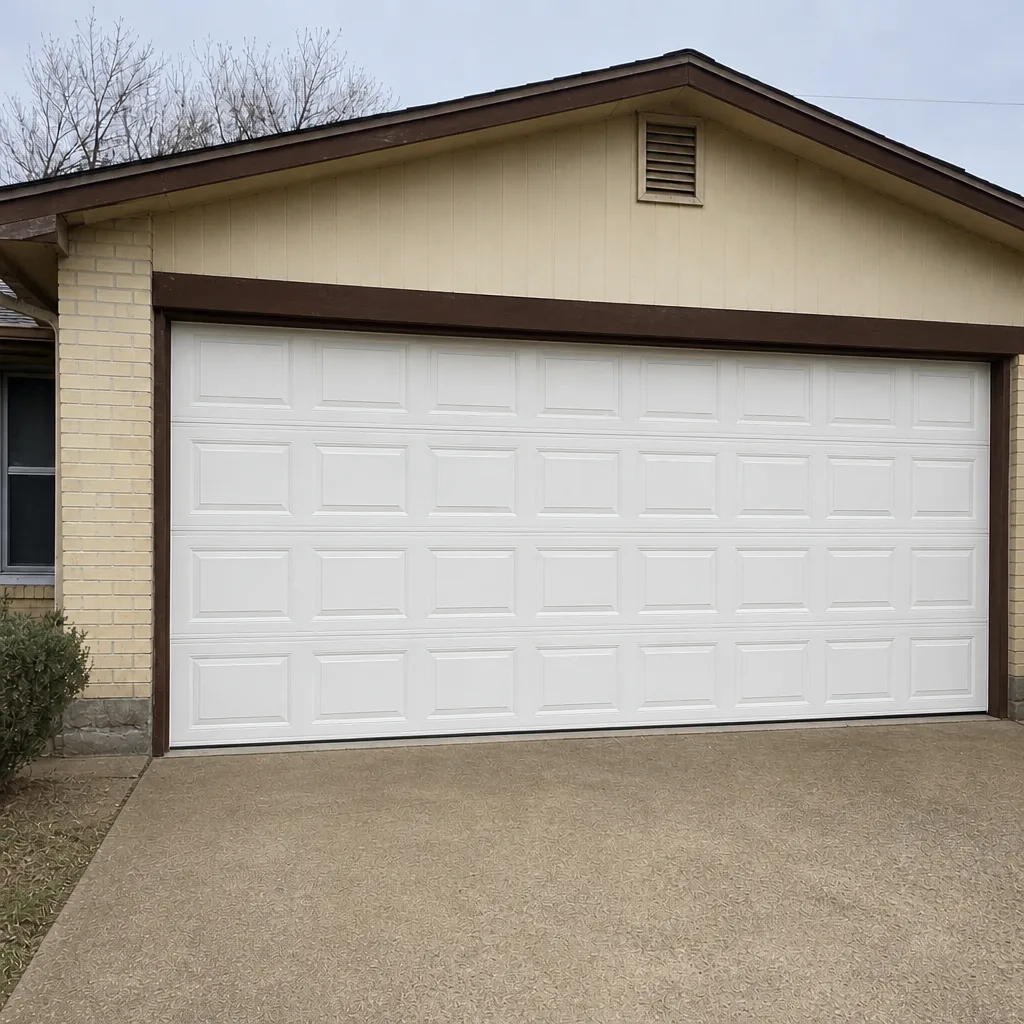 After
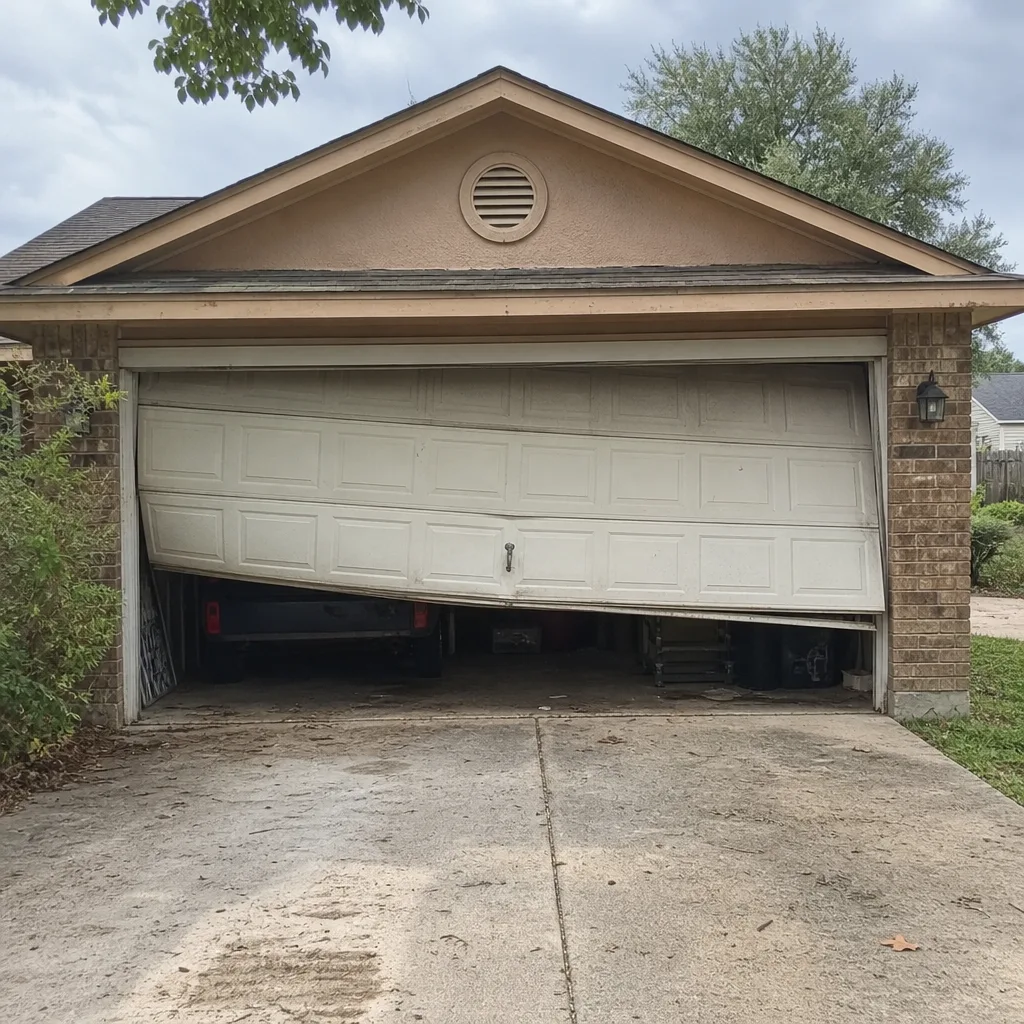 Before
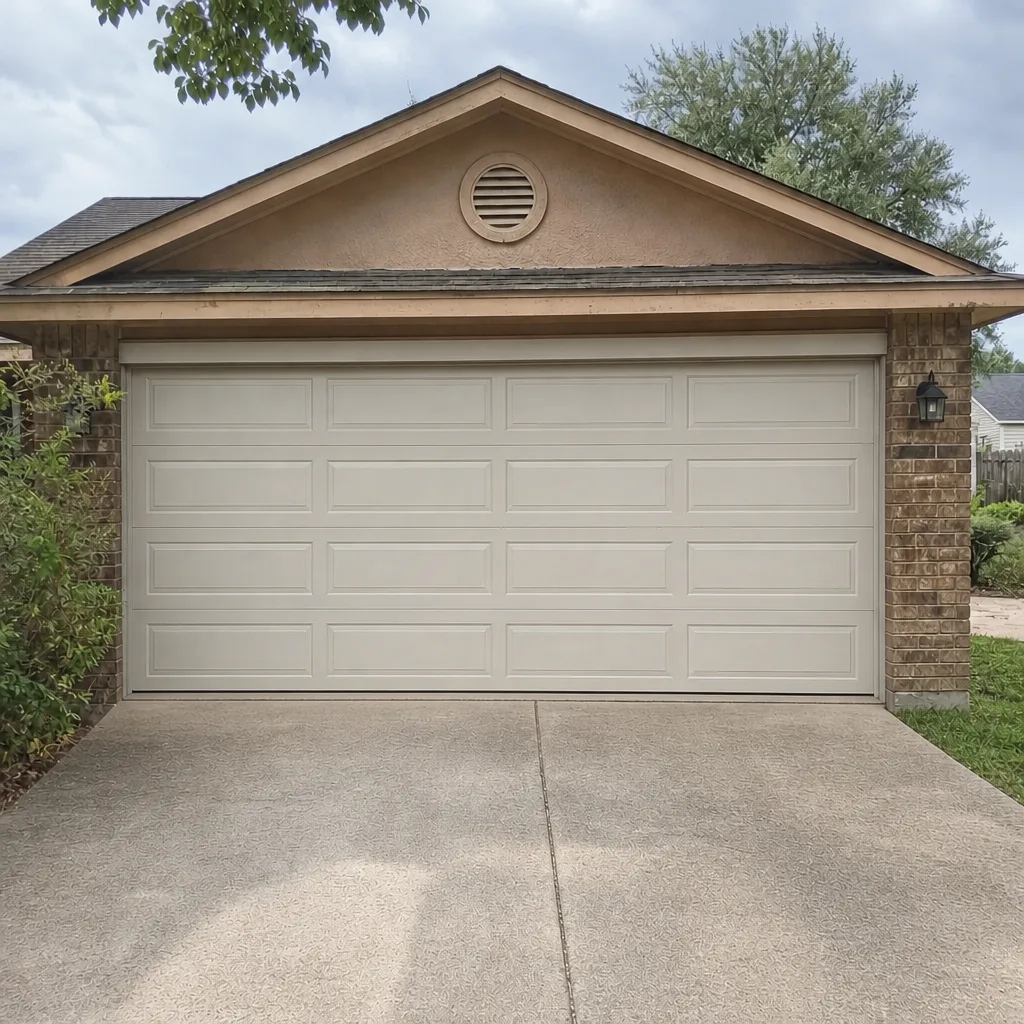 After
When to Call a Professional
Some garage door work is diagnostic and some is genuinely dangerous, and the line between them is clearer than most homeowners expect. Call us when the door fails the balance test, when you see a gap or rust streak on a torsion spring, when the door closes unevenly or comes off its track, when a cable looks frayed, or when the opener reverses without a clear cause and the mechanical checks come up clean. Spring, cable and track work carries real injury risk, and opener wiring is high voltage. Those belong to a trained technician, not a weekend project. Archer Garage Door Repair offers free estimates in Killeen, we can work with your insurer if a storm or ice event caused the damage, and the price is quoted and agreed before any work starts. Call (833) 719-3738. We answer 24/7. Fast dispatch from 7am to 7pm, Sunday through Friday.
Frequently Asked Questions
Twice a year is enough for most doors, but do it at the right two moments: late spring before the heat sets in, and fall before the temperature swings begin. In between, run a quick balance test after winter and inspect the bottom seal after any ice event. That combination catches the Killeen-specific failures a generic twice-a-year schedule misses. If your door is older or has a wood-composite panel, add a mid-summer look at the finish and the seal.
Disconnect the opener with the manual release so the motor stops pushing, then free the seal from the concrete gently. If the seal is torn or the door feels off-balance or crooked, don’t force it further, because a stuck seal handled the wrong way can bend a track or damage the opener’s drive gear. Call (833) 719-3738 for an exact quote, and estimates are free.
Heat reduces the opener’s thermal margin, and a door with any mechanical drag (a stiff roller, a misaligned track, a dragging seal) will push the motor closer to its protection limit. It’s usually not the motor failing. Check the mechanical side first: rollers, track, seal, and the balance test. If those are clean and the opener still labors in the heat, it’s worth a diagnostic visit. Call (833) 719-3738, and we’ll give you a written estimate before any work.
Yes, and it’s the single most-skipped task in this guide. Winter contraction affects spring tension calibration, and an unbalanced door makes the opener do the lifting work every cycle, which shortens its life. A manual balance test takes a few minutes and tells you whether the springs need calibration. If the door drops or races up at the halfway point, stop using the opener and have it checked.
Yes, for the rollers, hinges, track surface and spring exteriors, using a garage-door-specific lubricant rather than household oil or grease. Do not lubricate inside the torsion spring coils or the cables, and don’t attempt any adjustment of the springs or cables yourself, because both carry extreme tension and can cause serious injury if something fails while you’re near them.
On a wood-composite door, yes. Panels take on and release moisture with humidity, so the door is slightly heavier in humid stretches and lighter in dry ones. That shift affects how much force the opener needs, and an opener set with a thin margin can reverse unexpectedly or stop short. If you notice that pattern, check the mechanical side first and then the force and travel settings, or call (833) 719-3738 and we’ll diagnose it.
The Bottom Line
Killeen’s garage door year runs on two summers and two transitions, not four seasons. The pre-summer checklist protects your springs, opener and door face through the heat. The post-ice inspection catches bottom seal and track damage before it shows up in April. The post-winter balance check is the task most homeowners skip, and it’s the one that decides how long your opener lasts. Fall lubrication should happen before the temperature swings, not after. And when something is genuinely off, whether it’s a spring, a cable or an opener setting, it’s worth having a specialist look rather than experimenting. A door that cycles cleanly all year is mostly a matter of listening to it at the right moments.
Archer Garage Door Repair is a single-trade specialist. Garage doors and openers are all we do, and we work with LiftMaster, Chamberlain, Genie, Clopay, Amarr, Wayne Dalton, Craftsman and Raynor systems, so we know the failure patterns before we arrive. Whether it’s a seasonal check, a garage door repair, an opener repair or a full installation, one call covers the door and the opener. Call (833) 719-3738 for a free estimate. We answer 24/7. Fast dispatch from 7am to 7pm, Sunday through Friday.
Written by the team at Archer Garage Door Repair.