
Last updated November 15, 2026
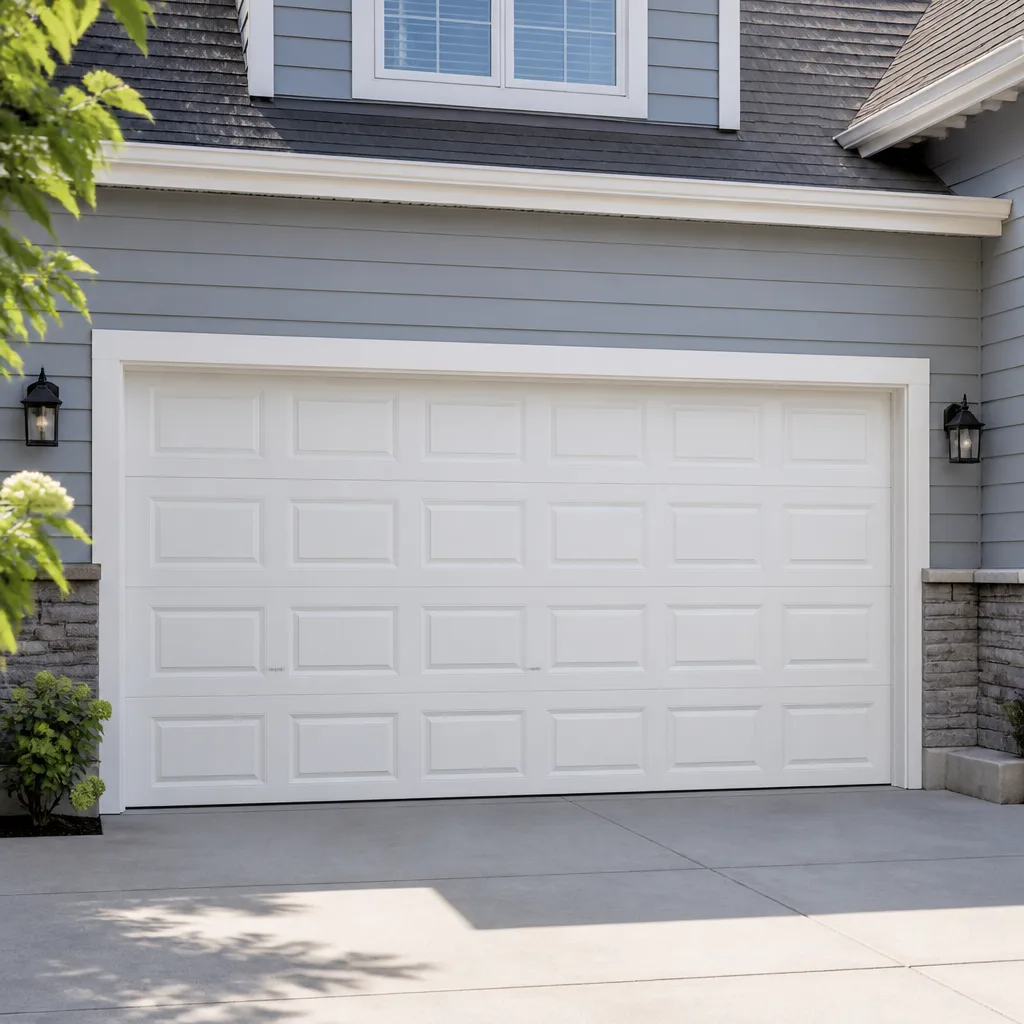 Raised-panel steel
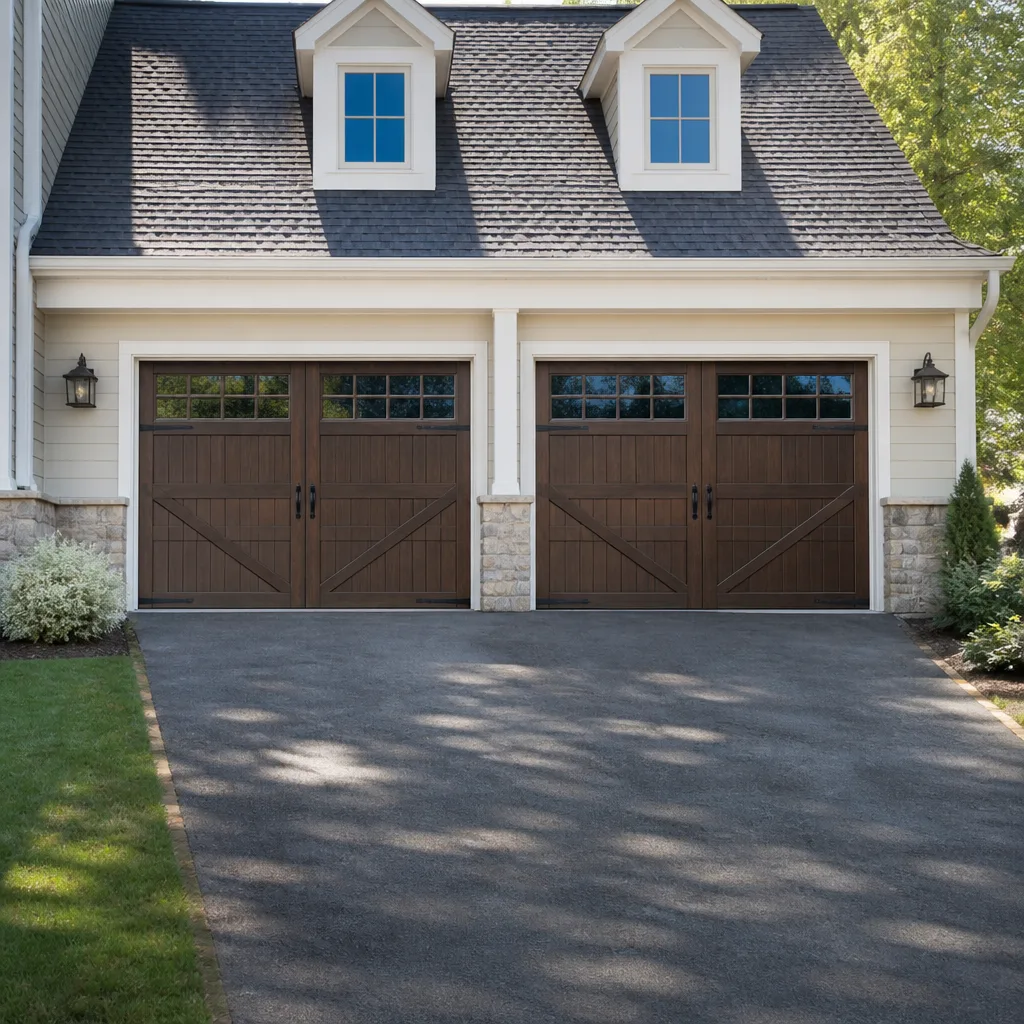 Carriage house
 Modern flush
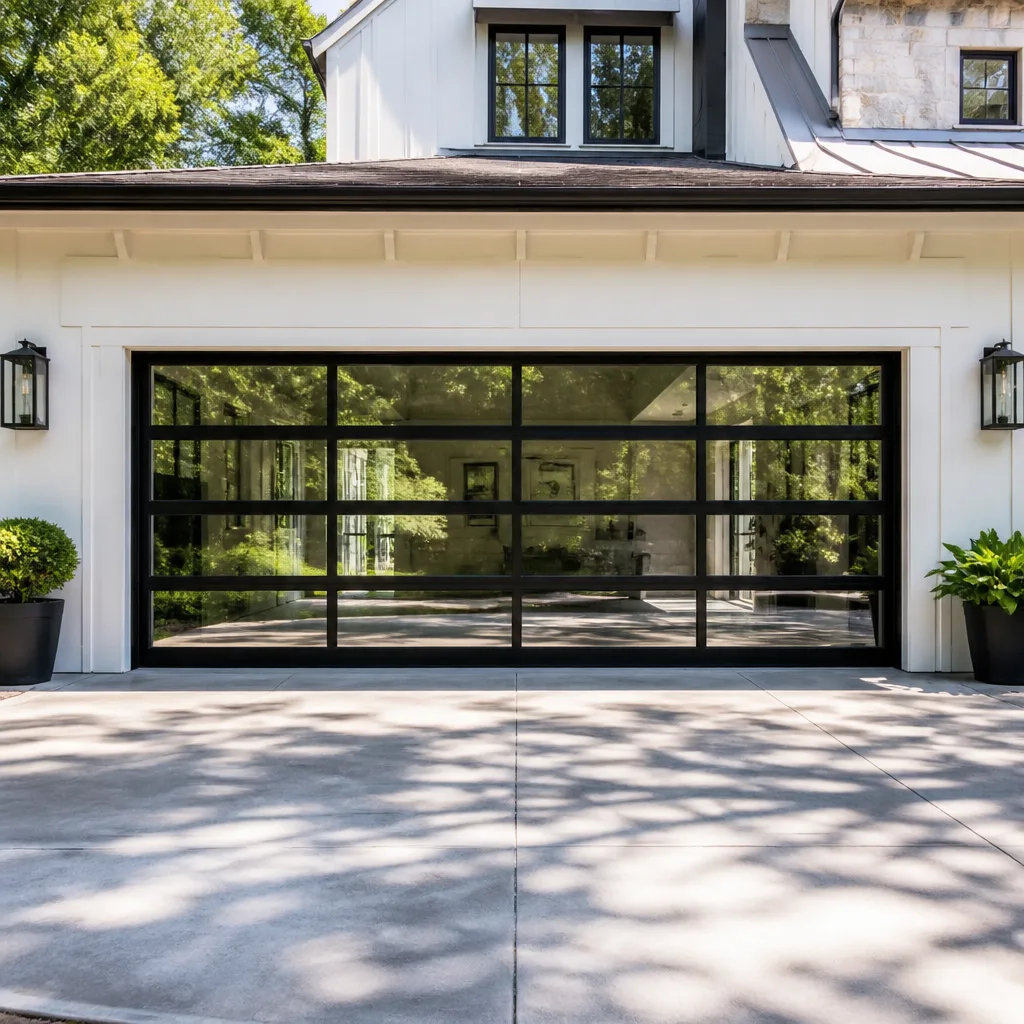 Full-view glass
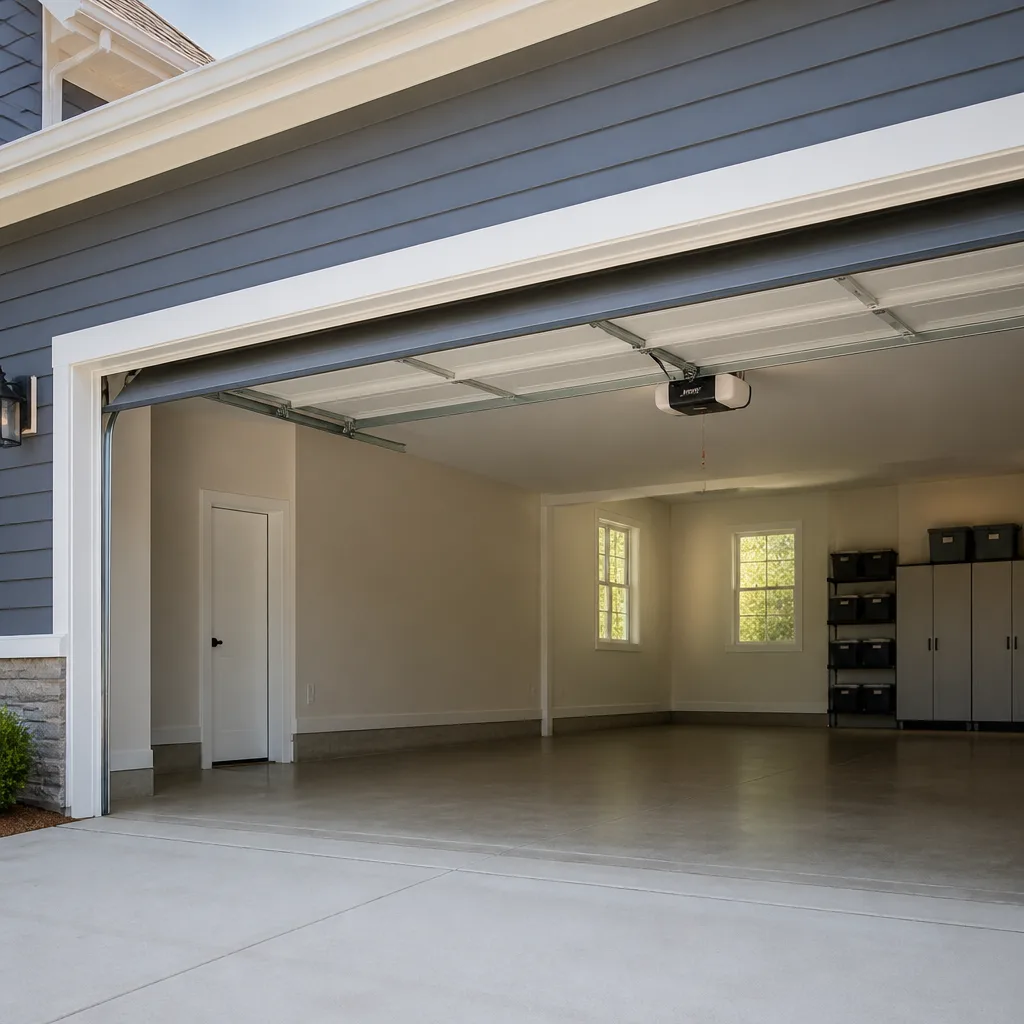 LiftMaster openers
 Chamberlain openers
Full 25-point door and opener safety check with every visit - springs, cables, rollers, tracks, and your LiftMaster or Chamberlain opener included
You get a price before we start. It does not change when the pro arrives.
Get your free estimateGarage Door Warning Signs: A Killeen Homeowner’s Reference Guide
Most garage door failures aren’t sudden. They announce themselves first: a hesitation before the door moves, a grind that shows up only in the cold, a spring that looks a little more orange than it did last spring. The trouble is that homeowners tend to file those signals under “not a problem yet” until the door quits on a Tuesday morning with the car inside. This guide is built to change that. We’re going to give you a symptom-to-diagnosis reference for Killeen homeowners, organized by urgency rather than by fear: what means stop using the door today, what means book a repair this week, and what means keep an eye on it. You’ll learn to read sounds, spot the visual red flags most people miss, and run a 60-second inspection once a month that catches the majority of developing problems before they turn into emergency calls. Not every groan needs a service visit. Knowing which ones do is the whole point.
Quick Answer
Garage door warning signs fall into three urgency tiers: stop using the door immediately for a snapped spring, a frayed or slack cable, or a door that comes down unevenly; schedule within a week for grinding, jerking, reversing, or a remote that only works close up; watch and log for minor squeaks, slow reverses, and cosmetic rust. A door that hesitates two seconds before moving is showing a force-sensing override, meaning the opener is working harder than it should, which is a measurable precursor to motor burnout or a binding track.
Styles & brands we work with
- Raised-panel steel
- Carriage house
- Modern flush
- Full-view glass
- LiftMaster openers
- Chamberlain openers
Table of Contents
- The Three-Tier Urgency System: Symptom-to-Diagnosis at a Glance
- Audio Diagnostics: What Each Sound Is Telling You
- Visual Red Flags Beyond the Obvious
- Why an Opener That Reverses for No Reason Isn’t “Just a Sensor”
- The 60-Second Monthly Walk-Around Inspection
- Opener-Specific Warning Signs
- Why Killeen Homes See These Signs Differently
- Repair or Replace: When the Signs Point to a New Door
The Three-Tier Urgency System: Symptom-to-Diagnosis at a Glance
Before you learn to read each sign in detail, you need a sorting system. When something feels off with your door, the first question isn’t “what’s wrong” – it’s “how fast do I need to act.” We sort every symptom a Killeen homeowner describes into one of three buckets, and so should you.
Tier 1 – Stop using the door immediately. These are the signs that carry real risk of injury or property damage if the door cycles again:
- A snapped torsion spring (usually a loud bang, followed by a door that feels impossibly heavy and won’t lift).
- A cable that looks frayed, kinked, or has gone slack on one side.
- A door that rises or falls unevenly, with one side visibly higher.
- A door that slams down or free-falls faster than normal.
- Visible separation in the panels or a bent track that the door has jumped.
Tier 2 – Schedule within the week. These signs don’t stop you from using the door, but they get worse on a predictable curve:
- Grinding, popping, or squealing during travel.
- The door jerks or stutters as it opens.
- The opener reverses without an obvious obstruction.
- The remote only works when you’re standing close.
- The door doesn’t close fully, or the light on the opener blinks in a pattern.
Tier 3 – Watch and log. Note it, check it monthly, and let the trend tell you when it becomes Tier 2:
- A faint squeak at one spot in the door’s travel.
- Light surface rust that isn’t spreading.
- A door that feels slightly heavier than you remember.
- A minor hesitation before the door starts to move.
The distinction matters because most of what we see in Killeen homes is Tier 3 that got ignored for months. A routine garage door repair caught at Tier 3 is a small job. The same underlying issue left until it becomes Tier 1 is an emergency call you didn’t plan for.
Audio Diagnostics: What Each Sound Is Telling You
Sound is the most reliable early warning system a garage door gives you, and it’s the one homeowners discount most. Every component has its own failure signature. Learning to separate them tells you which part is under stress before anything breaks.
Grinding usually points to a dry or worn torsion spring and, less often, to a bent track the rollers are scraping against. It’s a metal-on-metal sound, low and constant through the travel. If it’s coming from high up on the wall above the door, suspect the spring. If it comes from one vertical side, suspect the track.
Popping tends to be a roller that has flat-spotted or seized. The roller stops turning, the door drags it along the track instead, and every revolution produces a pop. This is why a door that pops also tends to jerk. It’s also a common Wayne Dalton symptom on older roller carriers, though the cause is the roller, not the brand.
Squealing is usually the opener’s internal gears or a roller that has lost lubrication entirely. High-pitched and steady on the way up, it’s a sign to have the opener checked before the gear wears itself down.
Rattling usually means loose hinges and brackets, or a panel that has started to separate from its frame. It’s the most benign of the four sounds, and also the easiest to fix when caught early.
Banging once, loudly, followed by a dead door is a snapped spring. There’s no diagnosing to do – stop using the door and call. Torsion springs store enormous energy, and the cable and bracket assembly can move violently when one lets go. Please don’t try to remove or adjust one yourself; this is the single most dangerous part of the door system.
If you can’t identify which sound matches what you’re hearing, describe it when you call. Our technicians have up to 8 years of experience across eight major brands, and a described sound often narrows the diagnosis before anyone arrives.
Visual Red Flags Beyond the Obvious
Most visual guides tell you to look for a broken spring and a bent track and call it done. The more useful inspection happens at a finer grain than that. Four things are worth getting specific about.
Cables and their fraying pattern. A healthy cable is one continuous, tightly wound braid with no stray strands. What you’re looking for is a cable that shows a wiry “fuzz” of broken strands along one section, or a cable that has gone visibly slack. Fraying that starts at one end rather than the middle usually points to a cable-drum or pulley problem feeding it. Either way, a frayed cable is a stop-using-the-door sign – a snapping cable can whip and cause serious injury.
Springs and rust distribution. Every spring will develop some surface rust in the humidity of a Texas summer. What matters is where and how evenly. Rust concentrated at one coil or one end suggests that coil is already under extra stress. Rust along the whole spring, evenly, is usually just cosmetic. A spring that looks like it has a visible gap in the coil has broken, and the door should not be cycled.
Rollers and flat spots. Rollers should be round and turn freely. A roller with a flat spot or a “square” edge is what produces the popping you hear. Nylon rollers tend to fail by chunking; steel rollers by flat-spotting. A worn roller also loads the hinges unevenly, so replacing a single roller is rarely the full fix.
Hinges, brackets, and the track itself. Run your eye along the vertical track on each side. It should be perfectly straight. Any bend – even a small one from a tap by a bicycle or a bumper – changes the door’s path and puts load on the opener. Loose hinge bolts are easy to spot with a quick check; they cause the rattle and often precede a door that runs out of alignment.
If you’ve walked the door and you’re not sure whether what you’re seeing is cosmetic or structural, our garage door opener repair and door service team can tell you over the phone in many cases, and it costs nothing to ask.
Why an Opener That Reverses for No Reason Isn’t “Just a Sensor”
The single most common misdiagnosis we see: the door reverses before it reaches the floor, and the homeowner assumes it’s the safety sensors. Sensors are the easy answer, and sometimes they’re correct – misaligned photo-eyes or a dirty lens will absolutely cause a reverse. But when the sensors look fine and the door still reverses, the real cause is usually the opener’s travel limit calibration, and that’s a different problem.
Here’s what’s actually happening. Every opener has an internal travel limit that tells it where “fully open” and “fully closed” are; it also has a force-sensing override that measures how much resistance the door is giving it. When the door’s mechanical condition changes – a spring loses tension, a track develops a small bind, a hinge loosens – the door gets harder to move. The opener senses resistance it doesn’t expect at that point in its travel and treats it as an obstruction. It reverses. The safety sensors are not the cause; they’re not even in the loop.
Two things matter about this:
- It’s a symptom, not a fault in the opener itself. Replacing the opener won’t fix it if the door is binding. We’ve seen that happen with generalists who don’t check the door’s mechanicals first.
- It says something specific. A door that reverses on the way down but opens fine is usually a limit or force setting escalating because the door is heavier than it should be. A door that reverses on the way up usually points to a track bind or a spring that’s gone slack.
Correcting the force limit to force the door to close is tempting and rarely right – you’re telling the opener to ignore a real resistance signal. A proper diagnosis checks the door’s mechanical condition first, then the opener’s travel calibration, then the sensors, in that order. On LiftMaster, Chamberlain, Genie, and Craftsman openers, the limit-adjustment procedure differs, which is another reason brand familiarity saves time and repeat visits. If your door is reversing in Killeen, have it checked rather than guessed at.
The 60-Second Monthly Walk-Around Inspection
You don’t need tools for this. You don’t need to get near a spring or a cable, and you shouldn’t. What you need is a couple of minutes once a month and a quick eye on the same set of things – done the same way each time, so a change stands out. This routine catches the great majority of developing problems on Killeen doors before they escalate from a small fix to an emergency call.
- Stand outside the door and look at the whole door from the middle. Both sides should look equal. A visible tilt, a panel that’s popped out of alignment, or a gap at the bottom all point to a mechanical issue that needs attention.
- Look at each spring from a distance. You’re checking for rust location (uniform is fine, concentrated is a warning) and for any visible gap in the coil. Do not touch them, do not adjust them. Torsion springs hold dangerous tension even when the door is fully open.
- Look at each cable along its length. From a safe distance, check for a “fuzzy” section of broken strands, kinks, or a slack side. If anything looks off, stop using the door.
- Rollers and hinges, an eyeball check. Round rollers, seated hinges, no visible gaps.
- Run the door fully up and fully down once and listen. You’re not judging the door; you’re comparing the sound to last month. New grind, new squeal, new pop: schedule it.
- Test the safety reverse. Put a block of wood or a rolled towel in the door’s path and close it. The door should reverse on contact. If it doesn’t, call.
A log or a note on your phone – “August: one faint squeak at bottom of travel” – makes the comparison useful. That single-entry habit is what turns Tier 3 into a planned repair instead of a surprise.
Opener-Specific Warning Signs
Everything above is the door. But your door system is really two systems: the mechanical door and the opener that drives it. The opener has its own warning signs, and they’re easy to miss because they don’t make the door look wrong.
The remote only works close up. That’s a dying battery more often than a dying opener, but if a fresh battery doesn’t fix it, the opener’s receiver or antenna has an issue. The wall button works but the remote doesn’t narrows it to the remote or the receiver. The remote works but the wall button doesn’t points at the wall-control wiring.
Blinking lights on the opener unit. Every major brand uses a blinking pattern to signal a diagnostic code. LiftMaster and Chamberlain use different blink sequences than Genie, and Craftsman units based on the Chamberlain platform follow their pattern. This is one of the fastest things to sort by brand – knowing the code tells you whether it’s a safety sensor, a limit, or a logic-board issue before anyone gets out of the car.
The door reverses or stops in a different place each time. This is the force-sensing signature we covered above, and it’s usually mechanical, but a failing logic board can produce a similar pattern.
The opener runs but the door doesn’t move. Usually a stripped drive gear inside the opener, a snapped chain or belt, or a disengaged trolley. All three are opener repairs, not door replacements – a common unnecessary-replacement point.
A brand-new opener that keeps forgetting its limits is often a wiring or logic issue rather than a mechanical one. Amarr, Raynor, and other premium opener-and-door pairings sometimes just need a reset rather than a part.
Because 100% of our work is garage doors, our technicians are familiar with how each of the eight major brands fails, which cuts down on guesswork and repeat visits. One call covers both the door and the opener, which is how it should work – diagnosing one without the other is how a simple fix turns into a second visit.
Why Killeen Homes See These Signs Differently
Killeen sits in a part of Texas that gives garage doors a specific wear pattern. The summers are long and hot, and the heat does two things to a door system over time. First, it works the torsion springs: the metal expands during the day and contracts at night, and that daily cycle eventually fatigues the spring even without obvious physical damage. Second, it dries out hinges and rollers more quickly than you’d expect. A squeal that seems to have appeared “out of nowhere” in mid-August is often a lubrication gap that built up over a hot July.
The mild winters here work the other way. You won’t see the deep cold snaps that strain springs and cables in northern climates, and you won’t see the ice dam or freeze-related failures. But the mild winters mean the door isn’t getting the seasonal “test” that colder weather sometimes gives it, so a developing bind can go unnoticed all winter. This is exactly why the monthly inspection above is more useful in Killeen than a seasonal one.
Housing stock matters too. In older neighborhoods around Killeen, you’ll find more Wayne Dalton and Craftsman systems that have been through enough cycles to show the roller and hinge wear we covered. Newer builds often have LiftMaster or Chamberlain openers paired with builder-grade doors, where the panel-to-frame connection is the first thing to loosen. Neither pattern is a fault in the brand; it’s the difference between a door that’s been cycled ten thousand times and one that hasn’t.
Local code and permit requirements for a garage door replacement vary, so if your signs point to a new door rather than a repair, ask the city’s building department what’s required before the work is scheduled. Our team in Killeen can help you tell repair from replacement, but the permit requirements themselves come from the city.
Repair or Replace: When the Signs Point to a New Door
The honest answer for most Killeen homeowners is that warning signs point to repair, not replacement. But there’s a point where the math changes, and it’s worth knowing where that point is so you don’t get talked into a new door you don’t need – or keep pouring money into one that’s past its useful life.
Signs that repair usually makes sense:
- One or two failed components (a spring, a roller set, a single hinge).
- A door that’s otherwise sound, with no panel separation or structural cracks.
- A bent track that can be straightened and reset.
- An opener that has a discrete fault (drive gear, limit board) but is otherwise working.
Signs that replacement starts to make more sense:
- Multiple panel separations or cracks in a door that’s already showing its age.
- Repeated spring or cable failures on the same door.
- A door that’s out of alignment in a way that resets rather than fixes.
- An opener that’s failing in ways that keep coming back after repair.
We tell homeowners which one actually makes sense – not which one makes a bigger sale. If your Craftsman door just needs a hinge and a roller set, that’s what the estimate says. If it’s a Clopay or Amarr door that’s genuinely at the end of its life, we’ll say so and walk you through the installation options. Our repair experience shapes our installation advice, which is why we recommend systems we know hold up rather than the ones that look good in a catalog. If you want a second opinion before deciding, a free estimate is the simplest way to get one.
Common Mistakes to Avoid
- Forcing a door that has snapped a spring. A broken torsion spring means the door is being held by the opener and the track alone. Cycling it can damage both and send heavy hardware moving – leave it, and call a professional.
- Adjusting the force limit to force a reversing door closed. That overrides the opener’s real resistance signal and can lead to the door coming down on something it shouldn’t. Fix the mechanical cause instead.
- Treating a “squeak” as harmless. A squeak is a lubrication gap; left alone, it becomes a grinding roller or a worn hinge, and what was a small job becomes a bigger one.
- Replacing a roller without checking the hinge. A worn roller loads the hinge unevenly, and the hinge is usually the next thing to fail. Replace the set, not the single piece.
- Trying to fix or remove a torsion spring yourself. The spring stores tremendous energy even with the door closed. This is the single most dangerous repair on a garage door, and there is no safe DIY path for it.
- Replacing the opener when the door is the problem. A new opener on a binding door just fails faster. Check the door’s mechanicals first – this is where brand-agnostic diagnostics pay off.
- Skipping the monthly look. In Killeen’s climate, a change you’d catch in 60 seconds once a month becomes an emergency call when you don’t. The habit is the fix.
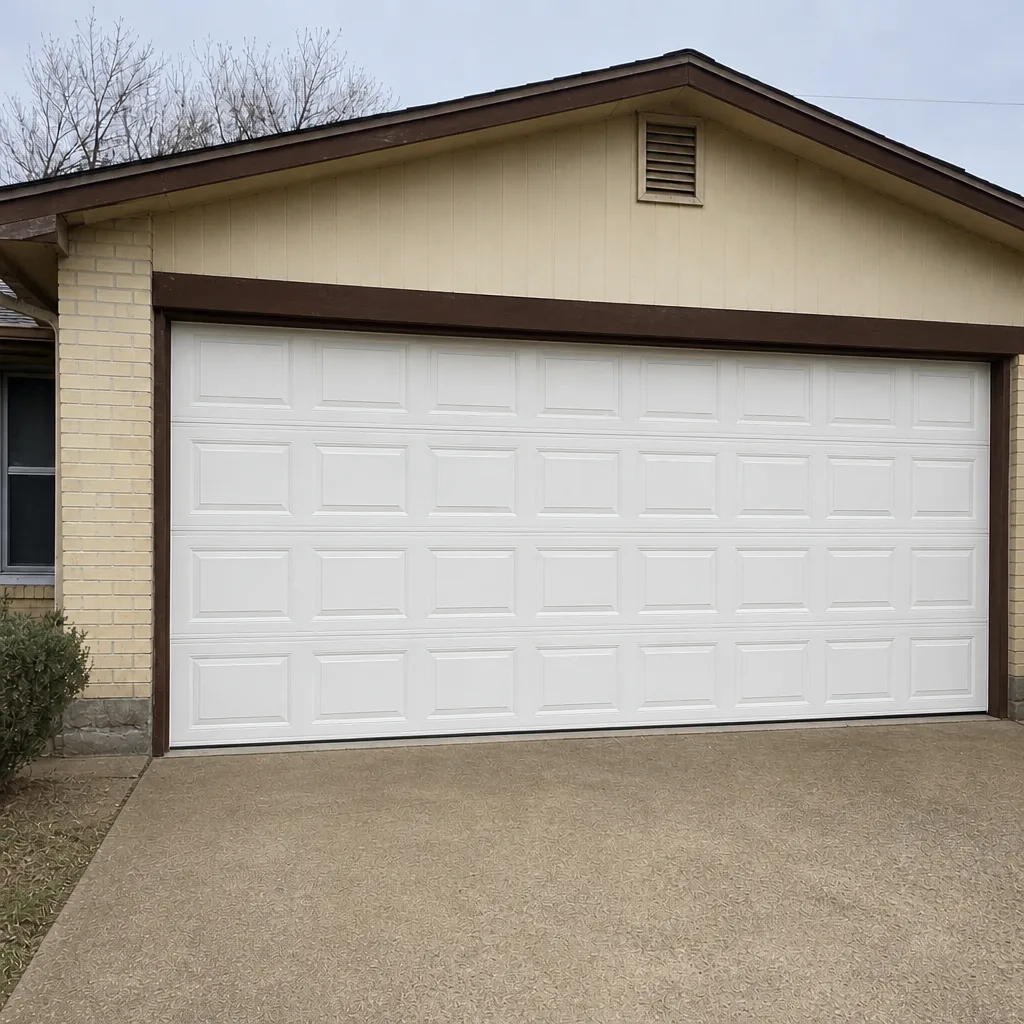
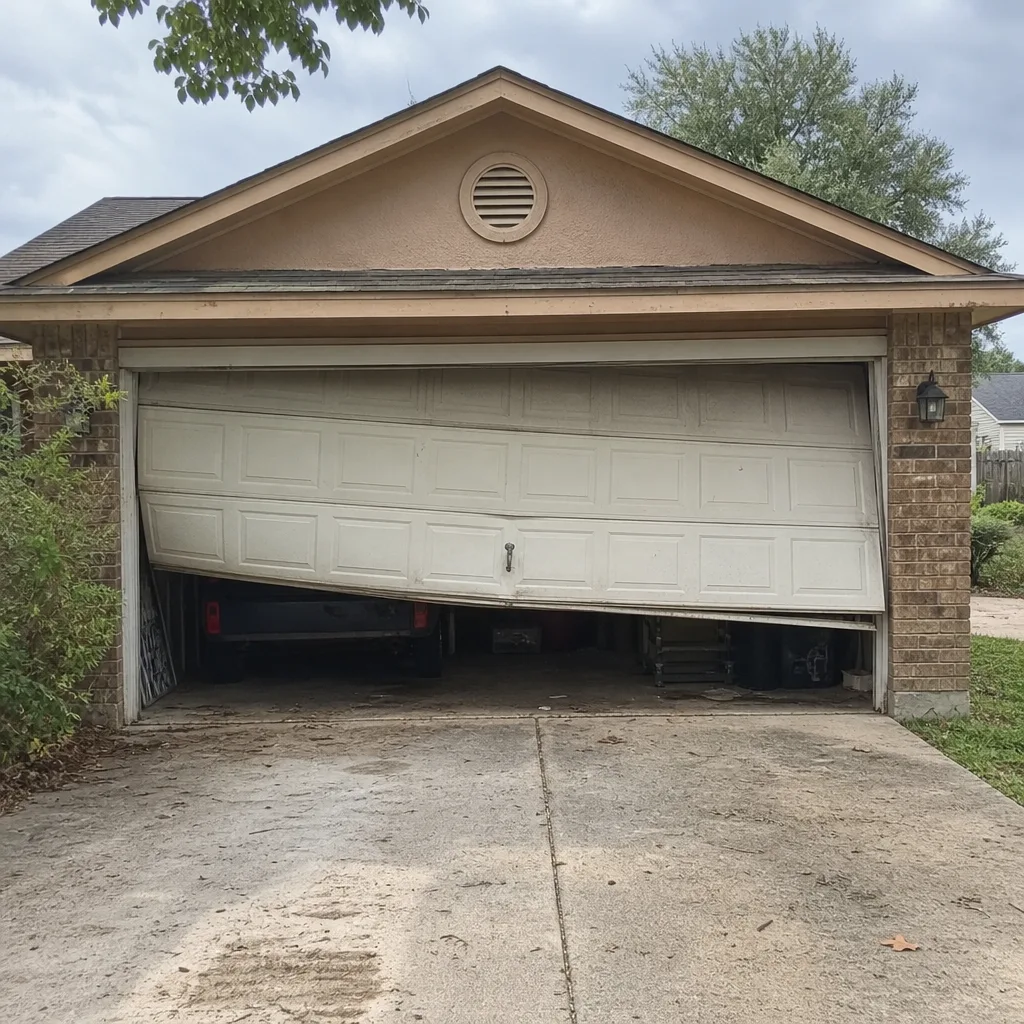
See the difference
 Before
 After
 Before
 After
 Before
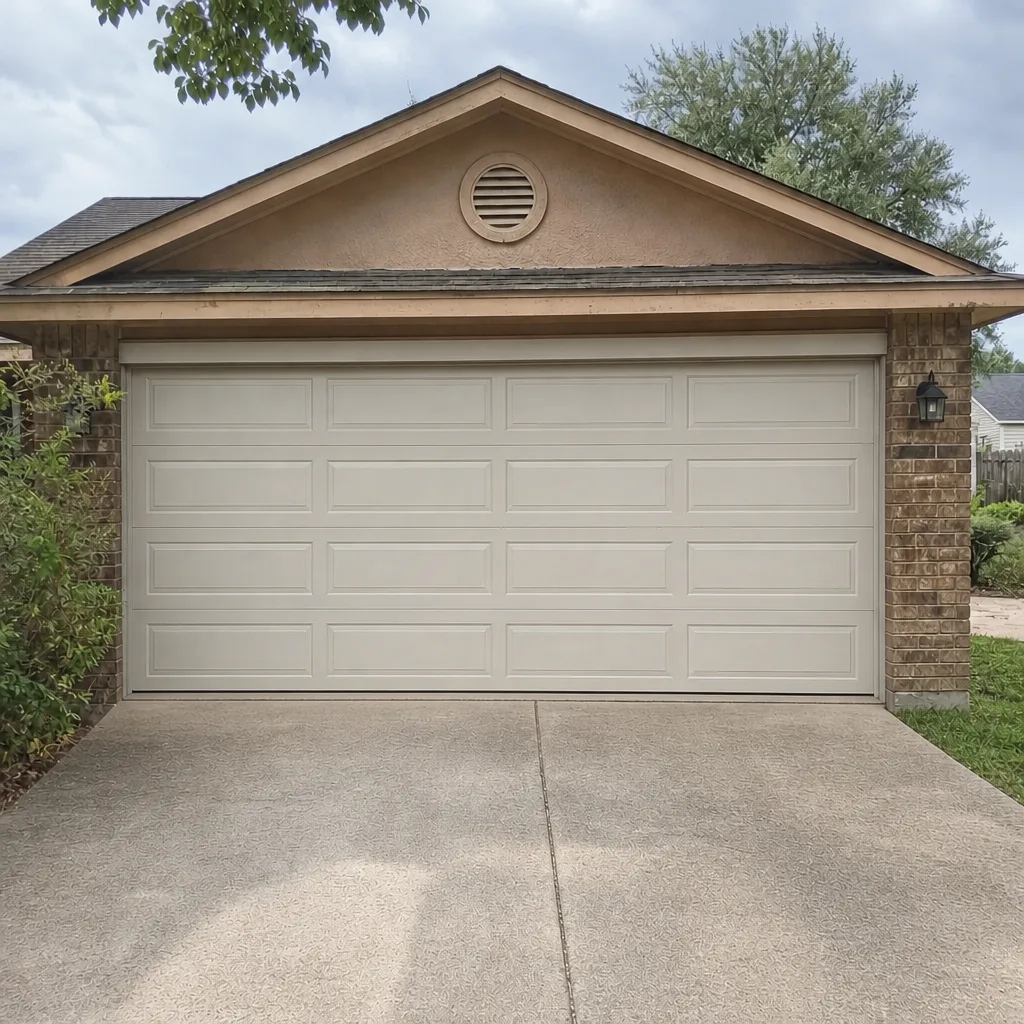 After
When to Call a Professional
Call a professional for anything in Tier 1, full stop. A snapped spring, a frayed or slack cable, a door that rises or falls unevenly, a door that free-falls, or a track the door has jumped out of – all of these are hazards, and none are a DIY fix. Call for anything in Tier 2 that persists for more than a week, for anything that keeps coming back after a repair, and for any sound you can’t identify but that’s new. Call when your opener’s blink pattern is unfamiliar or when a remote problem doesn’t resolve with a fresh battery. And call when you’re not sure whether what you’re seeing is cosmetic or structural – a phone description resolves that faster than you’d expect.
Archer Garage Door Repair offers free estimates in Killeen – call (833) 719-3738. We answer 24/7. Fast dispatch from 7am to 7pm, Sunday through Friday. The price is quoted and agreed before any work starts, and a call outside dispatch hours is booked into the next opening.
Frequently Asked Questions
Spring repair pricing depends on whether you have one spring or a matched pair, the door’s weight, and the parts involved; a written estimate sets the final price before any work begins. We quote per job by estimate, so call (833) 719-3738 for an exact quote – estimates are free.
Same-day service is often available for genuine Tier 1 issues like a snapped spring or a stuck door. Call (833) 719-3738. We answer 24/7. Fast dispatch from 7am to 7pm, Sunday through Friday; a call outside dispatch hours is booked into the next opening.
Sometimes, but not usually. If the sensors look clean and aligned and the door still reverses, the cause is most often the opener’s travel limit calibration reacting to a door that’s become harder to move – a binding track, a hinge, or a spring that’s lost tension. That’s a mechanical issue, not an opener fault.
Monthly is the right cadence here. Killeen’s hot summers work springs and dry out hinges and rollers faster than cooler climates, and mild winters mean the door doesn’t get a natural seasonal “test” to reveal a developing bind. A 60-second walk-around each month catches most of that early.
Our technicians are trained on the specific mechanics and electronics of the eight majors we service, and we can work with your insurer where that applies. Call (833) 719-3738 for details about credentials for your specific job.
Repair almost always makes sense if you’re looking at one or two failed components on an otherwise sound door. Replacement starts to make more sense when you have multiple panel separations, repeated spring or cable failures, or an opener that keeps failing after repair. We’ll tell you which one makes sense rather than push a replacement.
It’s a diagnostic code, and the pattern differs by brand. LiftMaster and Chamberlain use their own sequences, Genie uses another, and Craftsman units built on the Chamberlain platform follow Chamberlain’s pattern. Knowing the code tells us whether it’s a sensor, a limit, or a board issue before the technician arrives. Call (833) 719-3738 and describe the pattern – estimates are free.
No. The written estimate sets the price, and it’s quoted and agreed before any work starts. If the diagnosis changes on-site, we tell you before we do anything else – you decide.
The Bottom Line
Garage door warning signs aren’t a scare tactic; they’re a schedule. The gap between a first symptom and a full failure is usually weeks, not days, and the whole game is catching the symptom in the right tier. Audio signs tell you which component is under stress. Visual signs tell you whether it’s cosmetic or structural. The reversing opener tells you it’s usually the door, not the sensors. And a 60-second walk-around once a month, logged on your phone, is what turns a surprise emergency call into a planned repair. If something in this guide sounds familiar on your door, don’t guess at it – call (833) 719-3738 for a free estimate. Garage doors are all we do, and we’d rather help you decide than sell you a new door you don’t need.
For more on our door and opener work across the area, start at Archer Garage Door Repair and we’ll point you to the right service.
Written by the team at Archer Garage Door Repair.